We can't find the internet
Attempting to reconnect
Something went wrong
Hang in there while we get back on track
£57.70
This is the most expensive it has ever been. Walk away.
£58 today · previous high £58 · all-time low £48
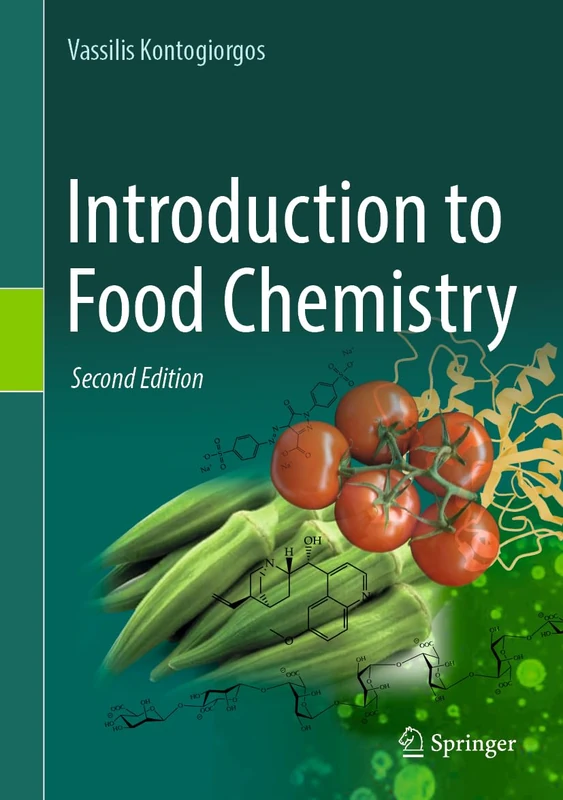
Springer Introduction to Food Chemistry
9783031535574
Price data last checked 30 day(s) ago - will refresh soon
We'll watch every seller, every day. One email when your price arrives.
Price History & Forecast
Grey patches = out of stock. Cheaper = lower on the chart. Hover for exact prices.
Last 61 days · 61 data points (no recent data)
9783031535574
Price data last checked 30 day(s) ago - will refresh soon
NEW HERE?
Amazon shows you one price. We show you all of them.
Tosheroon watches Amazon prices so you don't have to. Every product on Amazon has a price history — we make it visible. Set the price you'd actually pay, and we'll email you the second it gets there. No app, no account, one email.
WHAT'S ON THIS PAGE
when this has been cheap or pricey
where the price is heading next
all-time high & low, recent range
name your number, we'll email you
Price Distribution
Price distribution over 61 days • 3 price levels
Price Analysis
Most common price: £48 (59 days, 96.7%)
Price range: £48 - £58
Price levels: 3 different prices over 61 days
Description
Product Specifications
- Brand
- Springer
- Model
- 9783031535574
- Format
- hardcover
- ASIN
- 303153557X
- Domain
- Amazon UK
- Release Date
- 17 April 2024
- Listed Since
- 04 January 2024
Barcode
No barcode data available
Similar Products You Might Like
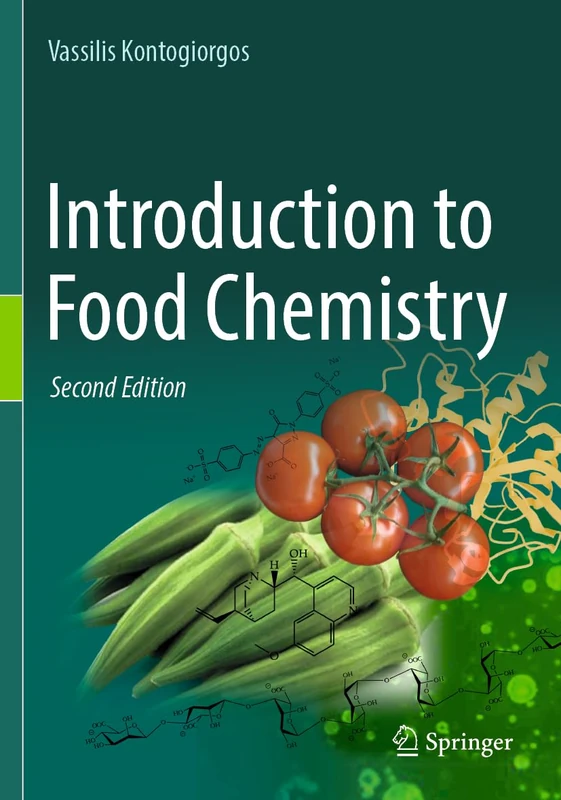
Introduction to Food Chemistry
Springer
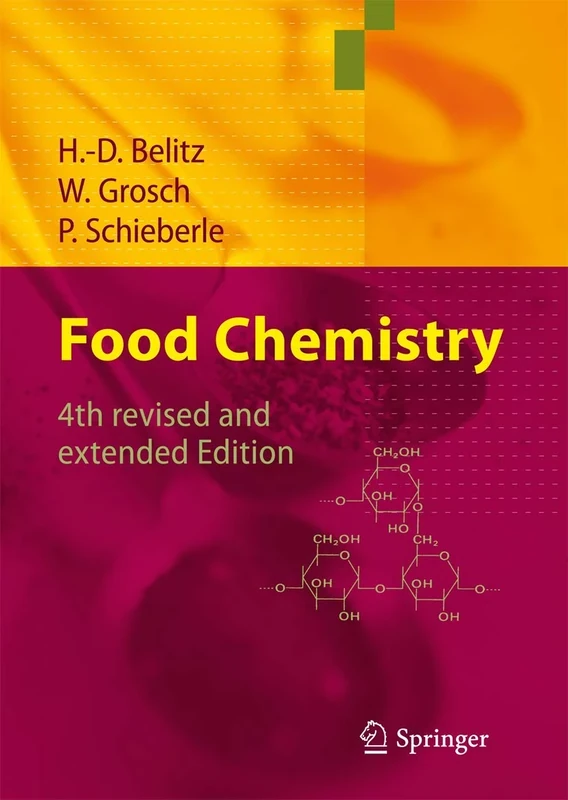
Food Chemistry
Springer
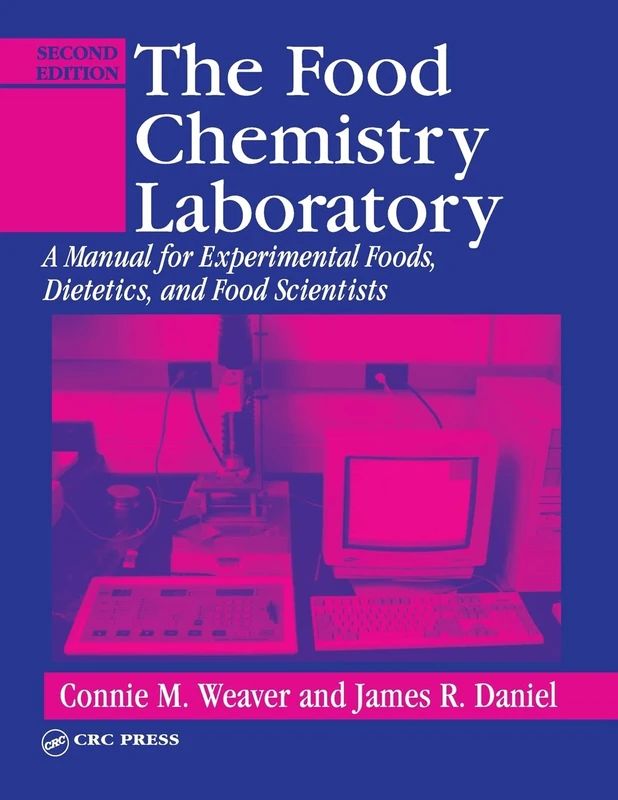
The Food Chemistry Laboratory: A Manual for Experimental Foods, Dietetics, and Food Scientists, Second Edition (Contemporary Food Science)
CRC Press
Introduction to Food Chemistry
CRC Press
Introducing Food Science
CRC Press
Food Chemistry: The Role of Additives, Preservatives and Adulteration
Wiley
Chemical Changes During Processing and Storage of Foods: Implications for Food Quality and Human Health
Academic Press
Technology of Reduced Additive Foods
Wiley
Price unavailable
Food Chemistry Research Developments
Reformulation as a Strategy for Developing Healthier Food Products: Challenges, Recent Developments and Future Prospects
Springer
Foods: Experimental Perspectives: Pearson New International Edition
PEARSON EDUCATION

Food Processes, Biochemistry and Technology
Syrawood Publishing House
Analytical Chemistry of Foods
Springer
Careers in Food Science: From Undergraduate to Professional
Springer
Developing New Food Products for a Changing Marketplace
CRC Press