We can't find the internet
Attempting to reconnect
Something went wrong
Hang in there while we get back on track
£93.29
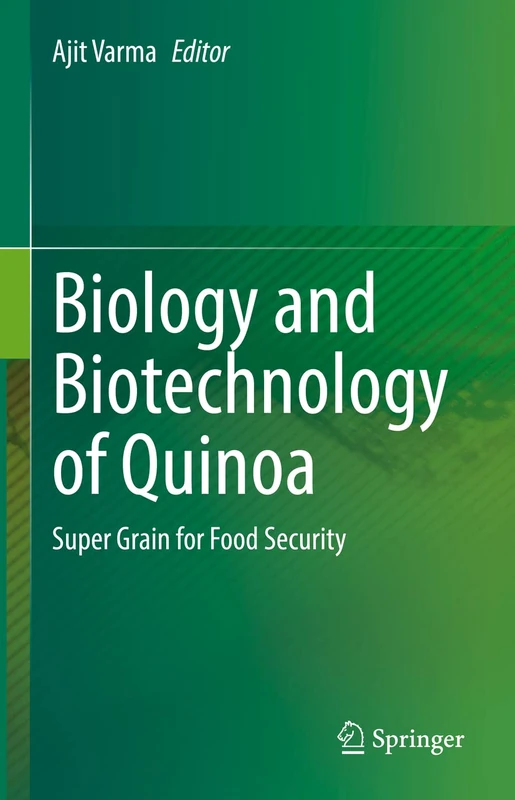
Springer Biology and Biotechnology of Quinoa: Super Grain for Food Security
Price data last checked 22 day(s) ago - will refresh soon
We'll watch every seller, every day. One email when your price arrives.
It has never been this cheap. We have no record of a lower price.
£93 today · cheaper than every other day in the last 3 months
NEW HERE?
Amazon shows you one price. We show you all of them.
Tosheroon watches Amazon prices so you don't have to. Every product on Amazon has a price history — we make it visible. Set the price you'd actually pay, and we'll email you the second it gets there. No app, no account, one email.
WHAT'S ON THIS PAGE
when this has been cheap or pricey
where the price is heading next
all-time high & low, recent range
name your number, we'll email you
Price History & Forecast
Grey patches = out of stock. Cheaper = lower on the chart. Hover for exact prices.
Last 69 days · 69 data points (no recent data)
Price Distribution
Price distribution over 69 days • 3 price levels
Price Analysis
Most common price: £93 (43 days, 62.3%)
Price range: £93 - £121
Price levels: 3 different prices over 69 days
Description
Product Specifications
- Brand
- Springer
- Format
- hardcover
- ASIN
- 9811638314
- Category
- Books > Subjects > Science, Nature & Maths > Biological Sciences > Animal Sciences > Physiology
- Domain
- Amazon UK
- Release Date
- 22 December 2021
- Listed Since
- 27 May 2021
Barcode
No barcode data available
Similar Products You Might Like
The Quinoa Genome (Compendium of Plant Genomes)
Springer
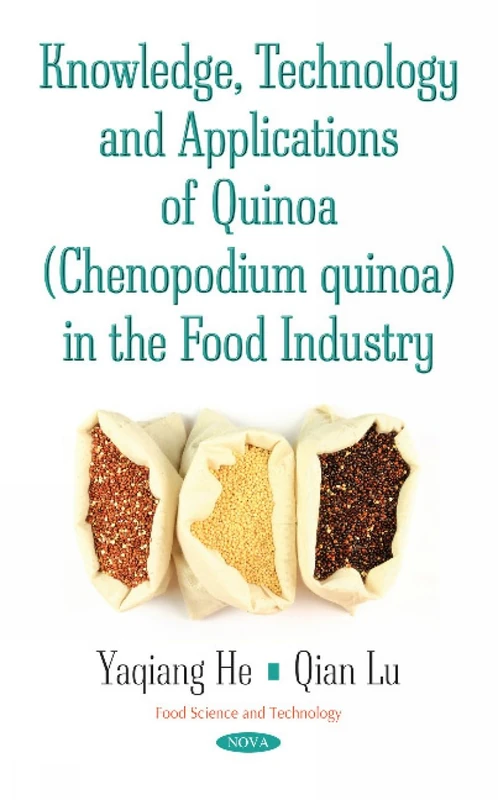
Knowledge, Technology & Applications of Quinoa (Chenopodium Quinoa) in the Food Industry
Emerging Research in Alternative Crops: 58 (Environment & Policy, 58)
Springer
Quinoa: Improvement and Sustainable Production (World Agriculture Series)
Wiley
Quinoa: Cultivation, Nutritional Properties and Effects on Health
Bioinformatics in Agriculture: Next Generation Sequencing Era
Academic Press
Cereals and Pulses: Nutraceutical Properties and Health Benefits: 12 (Hui: Food Science and Technology)
Wiley
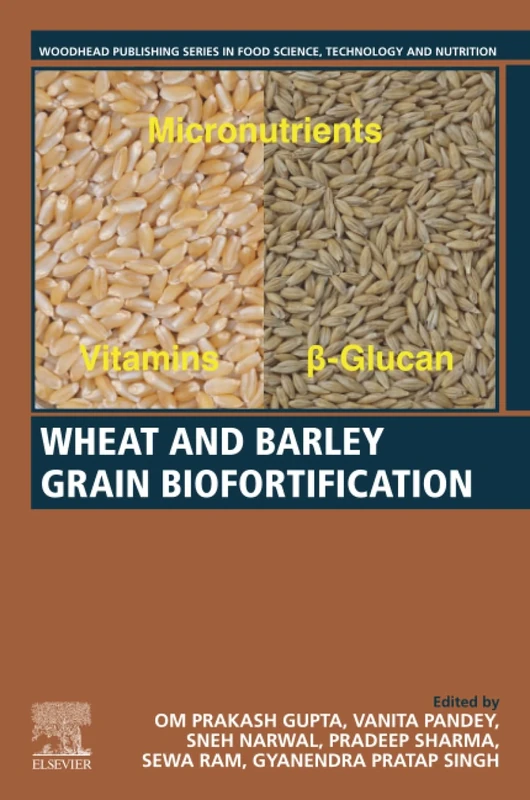
Wheat and Barley Grain Biofortification
Woodhead Publishing
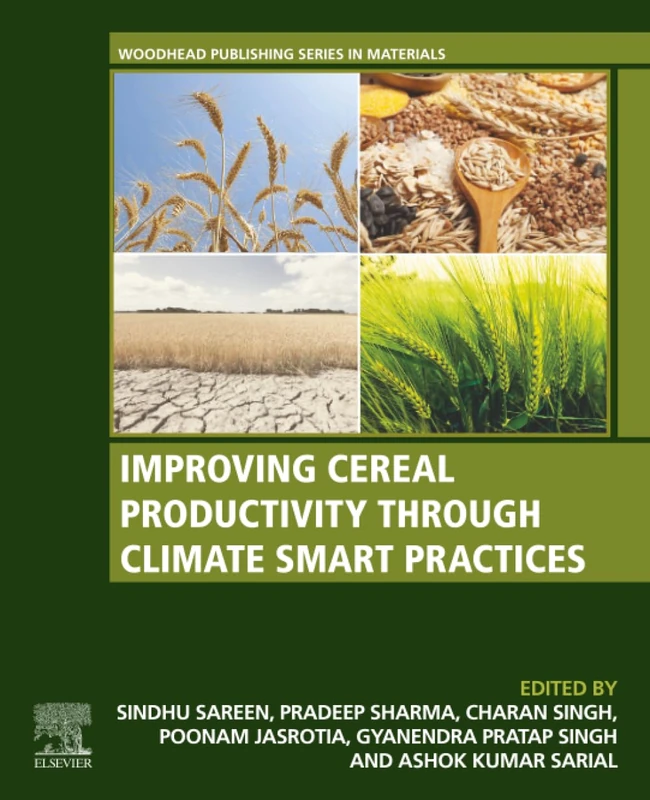
Improving Cereal Productivity through Climate Smart Practices
Woodhead Publishing
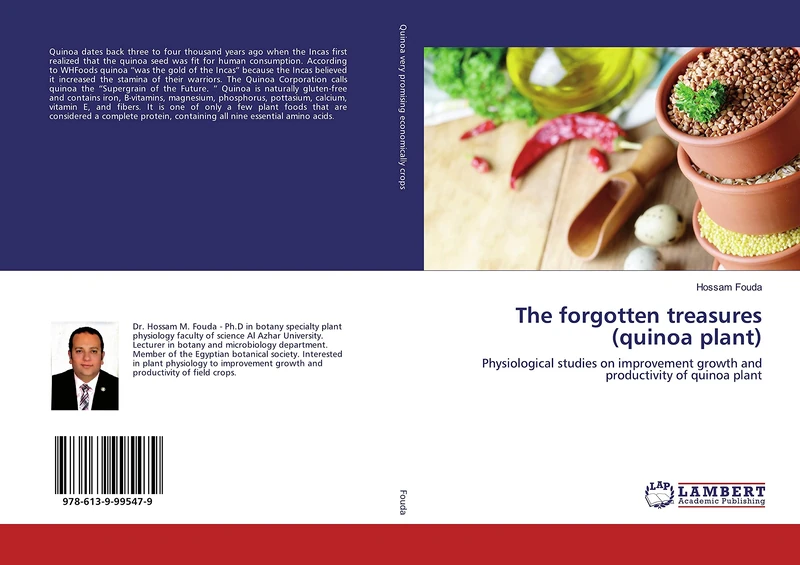
The forgotten treasures (quinoa plant): Physiological studies on improvement growth and productivity of quinoa plant
LAP Lambert Academic Publishing

Recent Advances in Biological Network Analysis: Comparative Network Analysis and Network Module Detection
Springer
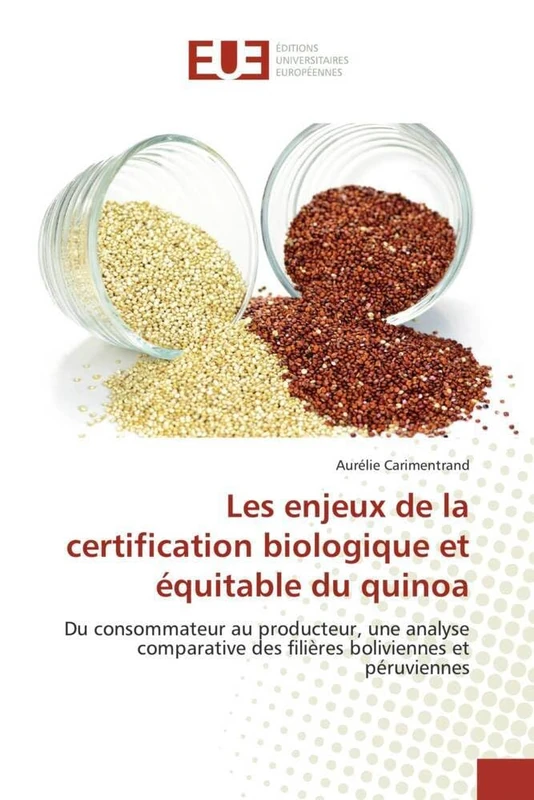
Les enjeux de la certification biologique et équitable du quinoa: Du consommateur au producteur, une analyse comparative des filières boliviennes et péruviennes (Omn.Univ.Europ.)
OmniScriptum
Physiological, Molecular, and Genetic Perspectives of Wheat Improvement
Springer
Wheat Quality For Improving Processing And Human Health
Springer
CRC Press Whole Grains: Processing and Product Development
CRC Press

Springer Fungal Siderophores - Mineral-Microbe Interactions
Springer

Humana Next-Generation MicroRNA Expression Profiling 822
Humana