We can't find the internet
Attempting to reconnect
Something went wrong
Hang in there while we get back on track
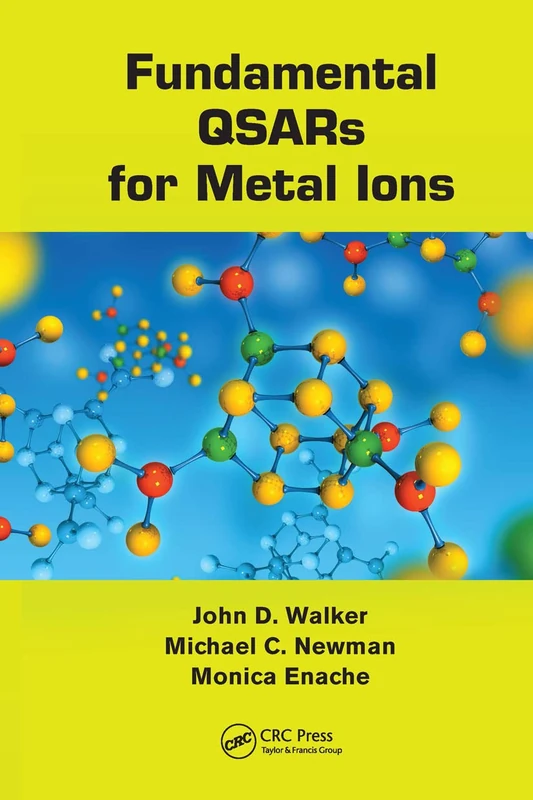
£105.58
This is the most expensive it has ever been. Walk away.
£106 today · previous high £106 · all-time low £97
CRC Press Fundamental QSARs for Metal Ions
Price data last checked 29 day(s) ago - will refresh soon
We'll watch every seller, every day. One email when your price arrives.
Price History & Forecast
Grey patches = out of stock. Cheaper = lower on the chart. Hover for exact prices.
Last 62 days · 62 data points (no recent data)
Price data last checked 29 day(s) ago - will refresh soon
NEW HERE?
Amazon shows you one price. We show you all of them.
Tosheroon watches Amazon prices so you don't have to. Every product on Amazon has a price history — we make it visible. Set the price you'd actually pay, and we'll email you the second it gets there. No app, no account, one email.
WHAT'S ON THIS PAGE
when this has been cheap or pricey
where the price is heading next
all-time high & low, recent range
name your number, we'll email you
Price Distribution
Price distribution over 62 days • 2 price levels
Price Analysis
Most common price: £97 (56 days, 90.3%)
Price range: £97 - £106
Price levels: 2 different prices over 62 days
Description
Product Specifications
- Brand
- CRC Press
- Format
- hardcover
- ASIN
- 142008433X
- Domain
- Amazon UK
- Release Date
- 08 January 2013
- Listed Since
- 29 February 2008
Barcode
No barcode data available
Similar Products You Might Like
Kirk-Othmer Chemical Technology and the Environment, 2 Volume Set
Wiley
Metal, Metal-Oxides and Metal-Organic Frameworks for Environmental Remediation: 64 (Environmental Chemistry for a Sustainable World, 64)
Springer
Homogeneous Gold Catalysis: 357 (Topics in Current Chemistry, 357)
Springer
Haschek and Rousseaux's Handbook of Toxicologic Pathology, Volume 2: Safety Assessment and Toxicologic Pathology: Safety Assessment and Toxicologic Pathology
Elsevier
DNA Barcoding and Molecular Phylogeny - Springer
Springer

Recent Advances in Complex Functional Materials - Springer
Springer
Chemical Exposures: Low Levels and High Stakes
Wiley
Chromium in the Natural and Human Environments: 20 (Advances in Environmental Science and Technology)
Wiley
Iridium Catalysts for Organic Reactions: 69 (Topics in Organometallic Chemistry, 69)
Springer
SialoGlyco Chemistry and Biology II: Tools and Techniques to Identify and Capture Sialoglycans: 367 (Topics in Current Chemistry, 367)
Springer
Environmental Heavy Metal Pollution and Effects on Child Mental Development: Risk Assessment and Prevention Strategies (NATO Science for Peace and Security Series C: Environmental Security)
Springer
Peak Performance: How to Achieve and Sustain Excellence in Operations Management (Sustainable Improvements in Environment Safety and Health)
CRC Press
Site-Selective Catalysis: 372 (Topics in Current Chemistry, 372)
Springer
Peak Performance: How to Achieve and Sustain Excellence in Operations Management (Sustainable Improvements in Environment Safety and Health)
CRC Press
Environmental Toxicants: Human Exposures and Their Health Effects
Wiley
General Chemistry, Volume 1: Understanding Moles, Bonds, and Equilibria
Cognella Academic Publishing
Recent Advances in Trace Elements
Wiley
Risk Management of Complex Inorganic Materials: A Practical Guide
Elsevier

Photofunctional Layered Materials: 166 (Structure and Bonding, 166)
Springer
Perfluorinated Chemicals (PFCs) - Environmental Health Threats
Wiley
Electrokinetic Remediation for Environmental Security and Sustainability
Wiley
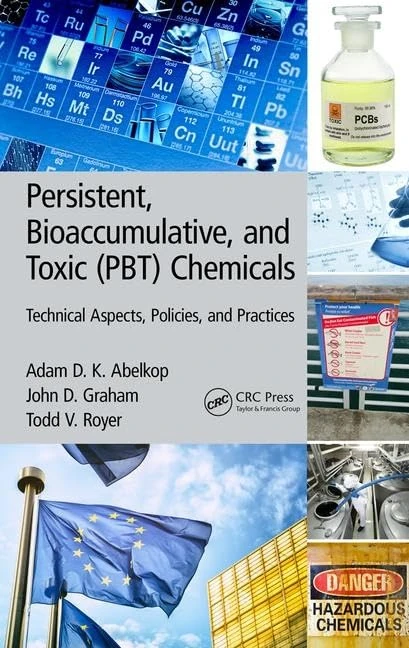
Persistent, Bioaccumulative, and Toxic (PBT) Chemicals: Technical Aspects, Policies, and Practices
CRC Press
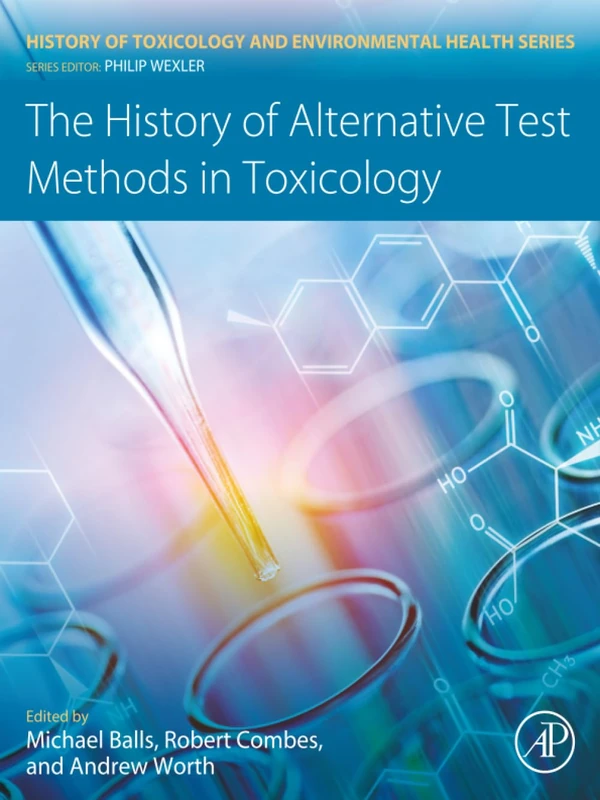
The History of Alternative Test Methods in Toxicology (History of Toxicology and Environmental Health)
Elsevier
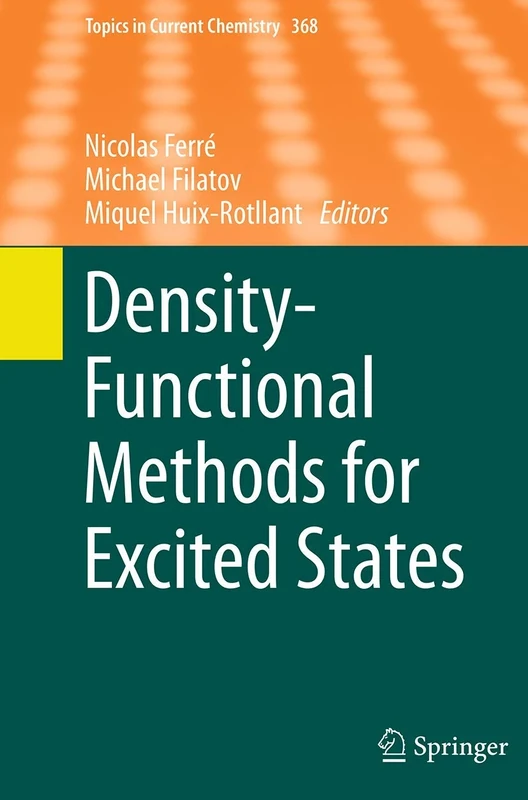
Density-Functional Methods for Excited States: 368 (Topics in Current Chemistry, 368)
Springer