We can't find the internet
Attempting to reconnect
Something went wrong
Hang in there while we get back on track

£179.97
It has never been this cheap. We have no record of a lower price.
£180 today · cheaper than every other day in the last 3 months
Springer Computational Studies in Organometallic Chemistry: 167 (Structure and Bonding)
We'll watch every seller, every day. One email when your price arrives.
Price History & Forecast
Grey patches = out of stock. Cheaper = lower on the chart. Hover for exact prices.
Last 61 days · 61 data points (no recent data)
NEW HERE?
Amazon shows you one price. We show you all of them.
Tosheroon watches Amazon prices so you don't have to. Every product on Amazon has a price history — we make it visible. Set the price you'd actually pay, and we'll email you the second it gets there. No app, no account, one email.
WHAT'S ON THIS PAGE
when this has been cheap or pricey
where the price is heading next
all-time high & low, recent range
name your number, we'll email you
Price Distribution
Price distribution over 61 days • 1 price levels
Price Analysis
Most common price: £180 (61 days, 100.0%)
Price range: £180 - £180
Price levels: 1 different prices over 61 days
Description
Product Specifications
- Brand
- Springer
- Format
- paperback
- ASIN
- 3319810847
- Domain
- Amazon UK
- Release Date
- 30 May 2018
- Listed Since
- 30 May 2018
Barcode
No barcode data available
Similar Products You Might Like
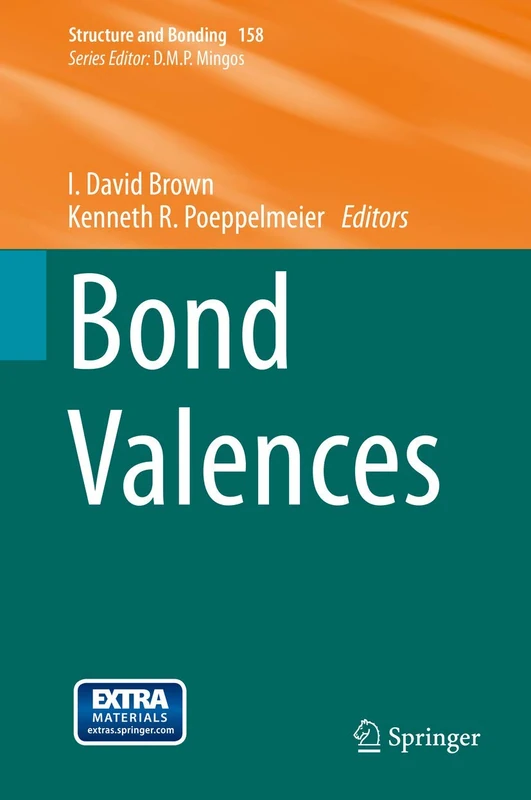
Bond Valences: 158 (Structure and Bonding, 158)
Springer
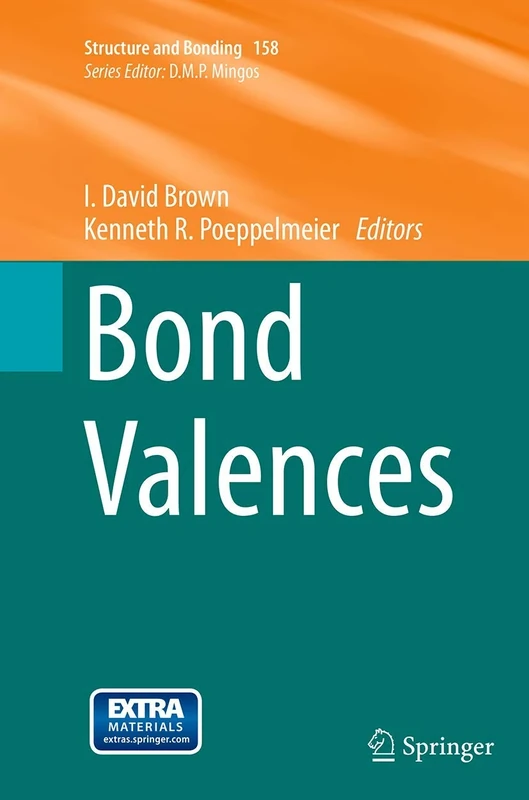
Bond Valences: 158 (Structure and Bonding, 158)
Springer
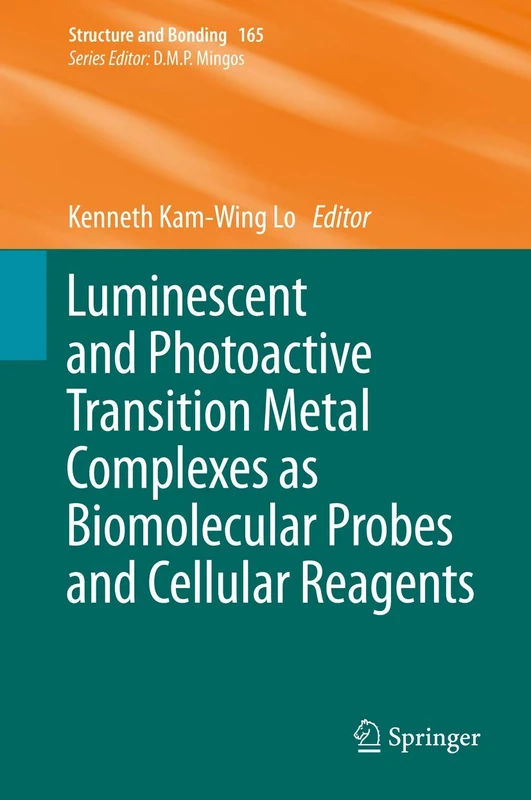
Luminescent and Photoactive Transition Metal Complexes as Biomolecular Probes and Cellular Reagents: 165 (Structure and Bonding, 165)
Springer
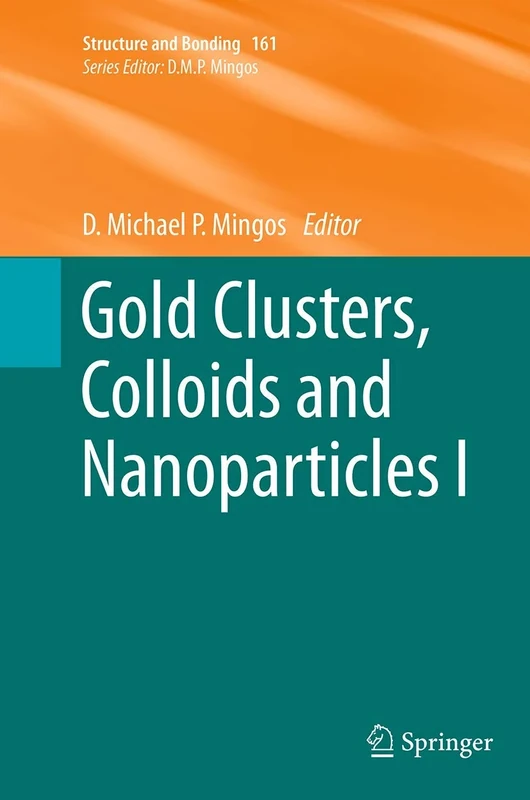
Gold Clusters, Colloids and Nanoparticles I: 161 (Structure and Bonding)
Springer
Recent Development in Clusters of Rare Earths and Actinides: Chemistry and Materials: 173 (Structure and Bonding, 173)
Springer

Molecular Design in Inorganic Biochemistry: 160 (Structure and Bonding)
Springer

Molecular Design in Inorganic Biochemistry: 160 (Structure and Bonding, 160)
Springer
Lanthanide Metal-Organic Frameworks: 163 (Structure and Bonding, 163)
Springer
Lanthanide Metal-Organic Frameworks: 163 (Structure and Bonding, 163)
Springer
Quantum Chemistry of Solids: LCAO Treatment of Crystals and Nanostructures: 153 (Springer Series in Solid-State Sciences, 153)
Springer
Homogeneous Gold Catalysis: 357 (Topics in Current Chemistry, 357)
Springer

Molecular-Scale Electronics: Current Status and Perspectives (Topics in Current Chemistry Collections)
Springer

Recent Advances in Complex Functional Materials - Springer
Springer
Diamond and Related Nanostructures - Carbon Materials Chemistry Physics
Springer

High-Resolution Experiments on Strong-Field Ionization of Atoms and Molecules: Test of Tunneling Theory, the Role of Doubly Excited States, and Channel-Selective Electron Spectra (Springer Theses)
Springer

Site-Selective Catalysis: 372 (Topics in Current Chemistry, 372)
Springer
BORON CHEMISTRY AT THE MILLENNIUM
Elsevier
Light-Responsive Nanostructured Systems for Applications in Nanomedicine: 370 (Topics in Current Chemistry)
Springer
Core Concepts in Supramolecular Chemistry and Nanochemistry
Wiley
Highly Luminescent Lanthanide Complexes with Specific Coordination Structures (Springer Theses)
Springer
Photoactive Semiconductor Nanocrystal Quantum Dots: Fundamentals and Applications (Topics in Current Chemistry Collections)
Springer
Endohedral Fullerenes: From Fundamentals To Applications
World Scientific Publishing Company
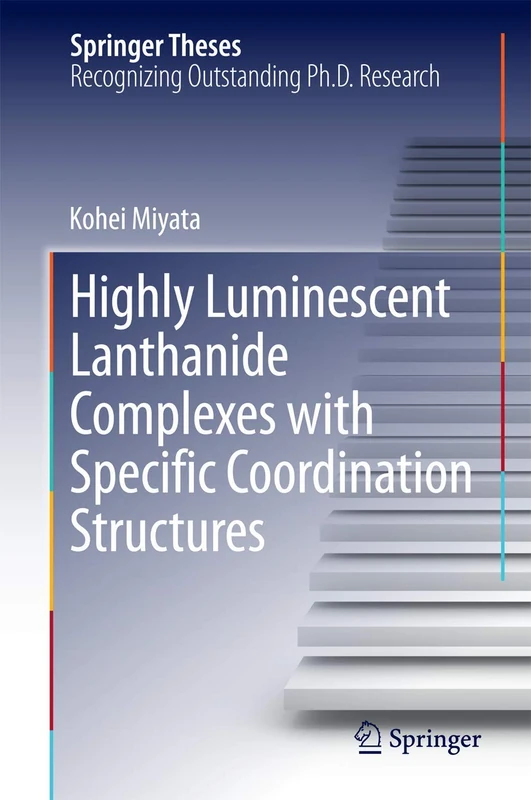
Highly Luminescent Lanthanide Complexes with Specific Coordination Structures (Springer Theses)
Springer