We can't find the internet
Attempting to reconnect
Something went wrong
Hang in there while we get back on track
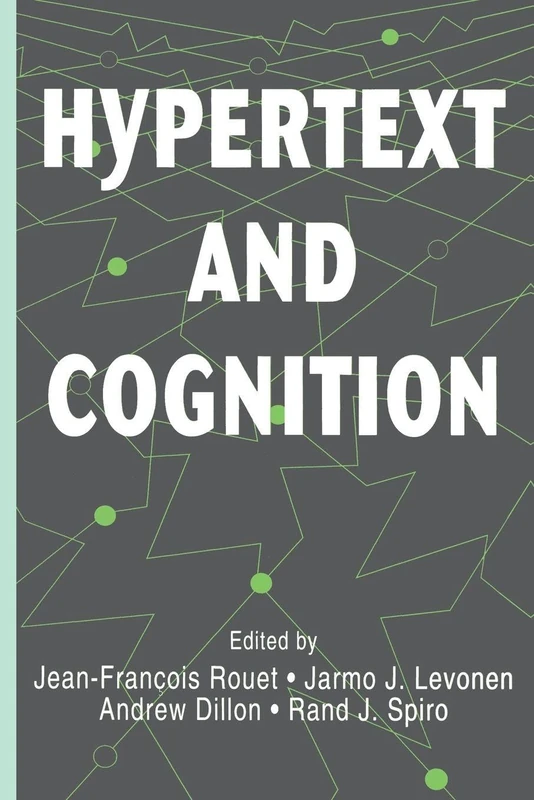
£52.99
This is the most expensive it has ever been. Walk away.
£53 today · previous high £53 · all-time low £51
Routledge Hypertext and Cognition
We'll watch every seller, every day. One email when your price arrives.
Price History & Forecast
Grey patches = out of stock. Cheaper = lower on the chart. Hover for exact prices.
Last 61 days · 61 data points (no recent data)
NEW HERE?
Amazon shows you one price. We show you all of them.
Tosheroon watches Amazon prices so you don't have to. Every product on Amazon has a price history — we make it visible. Set the price you'd actually pay, and we'll email you the second it gets there. No app, no account, one email.
WHAT'S ON THIS PAGE
when this has been cheap or pricey
where the price is heading next
all-time high & low, recent range
name your number, we'll email you
Price Distribution
Price distribution over 61 days • 2 price levels
Price Analysis
Most common price: £53 (56 days, 91.8%)
Price range: £51 - £53
Price levels: 2 different prices over 61 days
Description
Product Specifications
- Brand
- Routledge
- Format
- paperback
- ASIN
- 0805821449
- Domain
- Amazon UK
- Release Date
- 01 April 1996
- Listed Since
- 16 February 2007
Barcode
No barcode data available
Similar Products You Might Like
Routledge Hypertext and Cognition - Knowledge Management Book
Routledge
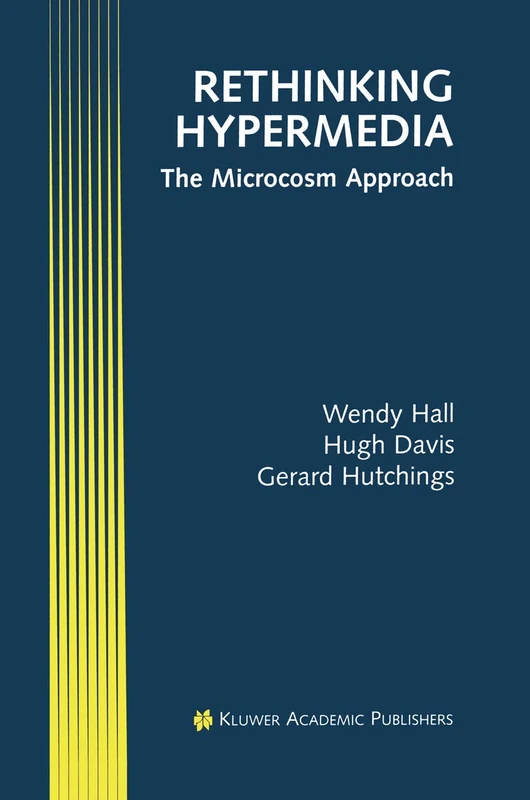
Rethinking Hypermedia: The Microcosm Approach: 4 (Electronic Publishing Series, 4)
Springer
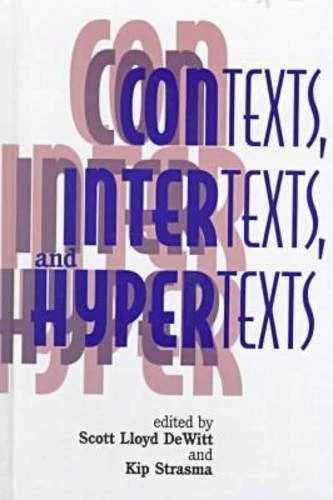
Contexts, Intertexts and Hypertexts (Written Language)
Hypermedia & the Web: An Engineering Approach (Worldwide Series in Computer Science)
Wiley
Canonizing Hypertext: Literary Studies & Digital Media
Bloomsbury
Hypermedia/Hypertext and Object-oriented Data Bases (UNICOM Applied Information Technology Series 8)
TnT: Text and Technology
Designing Usable Electronic Text: Ergonomic Aspects Of Human Information Usage
CRC Press

Text-Based Research and Teaching - Social Semiotic Perspective
MACMILLAN
Raw: (Reading and Writing) New Media (New Dimensions in Computers and Composition)
Making Hypermedia Work: A User's Guide to HyTime
Springer

The New Web Typography - Responsive Design Guide
CRC Press

Human Computer Interaction Research in Web Design and Evaluation
IGI Global
Internet - Technical Developments and Applications 2: 118 (Advances in Intelligent and Soft Computing, 118)
Springer
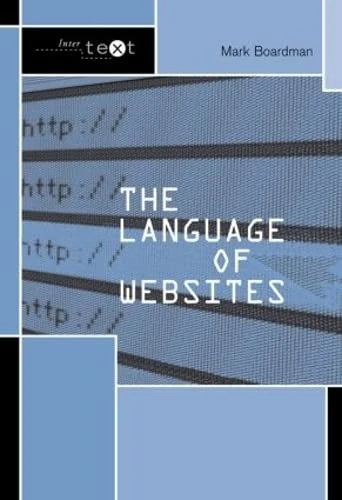
The Language of Websites (Intertext)
Routledge
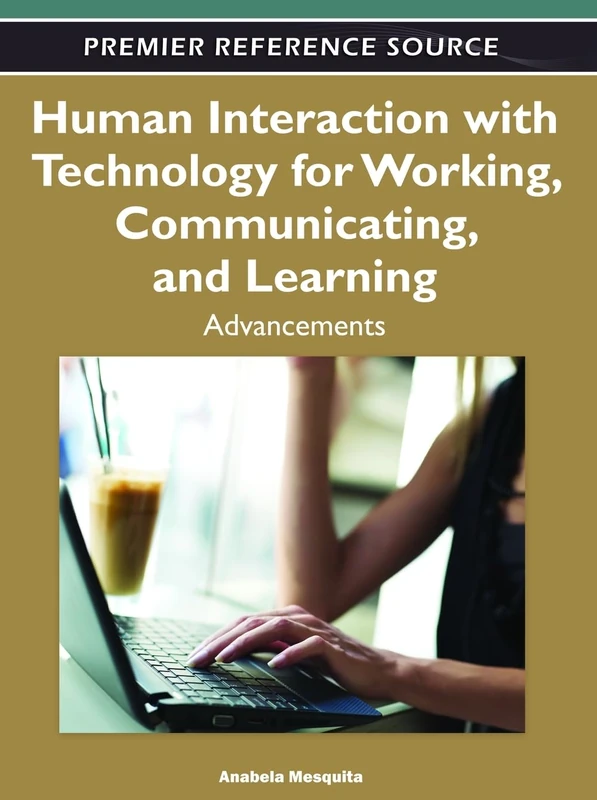
Human Interaction with Technology for Working, Communicating, and Learning: Advancements
Information Science Reference

The Oxford Handbook of Media Psychology
Oxford University Press

Handbook of Research on Cultural and Economic Impacts of the Information Society (Advances in Human and Social Aspects of Technology)
Information Science Reference
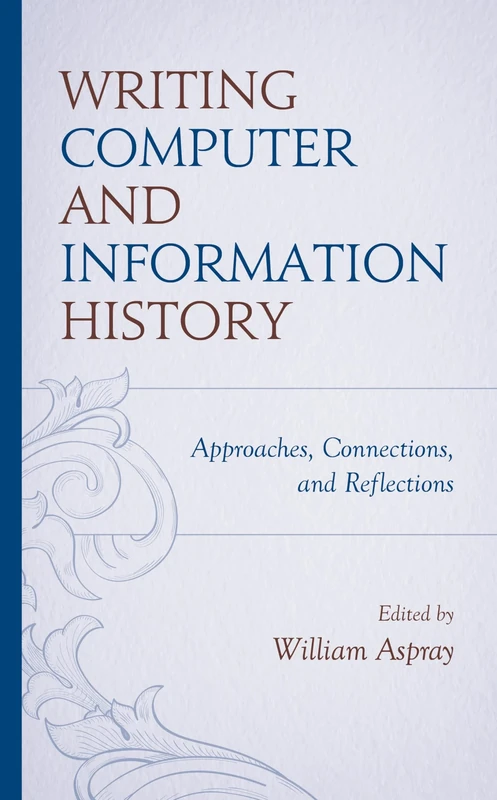
Writing Computer and Information History: Approaches, Connections, and Reflections
Rowman & Littlefield Publishers
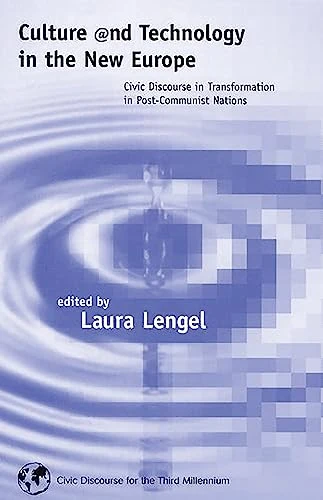
Culture and Technology in the New Europe: Civic Discourse in Transformation in Post-Communist Nations (Civic Discourse for the Third Millennium)
Bloomsbury
Intertwingled: The Work and Influence of Ted Nelson (History of Computing)
Springer

The World's Best Typography: The 45th Annual of the Type Directors Club 2024: 45
Hoaki
Text Editing, Print and the Digital World - Routledge
Routledge
Complex Worlds: Digital Culture, Rhetoric and Professional Communication (Baywood's Technical Communications)
Routledge