We can't find the internet
Attempting to reconnect
Something went wrong
Hang in there while we get back on track
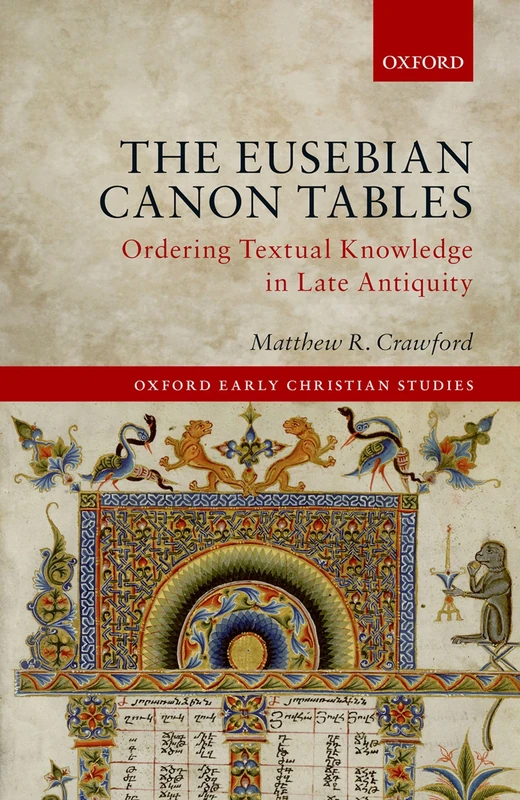
£118.82
This is the most expensive it has ever been. Walk away.
£119 today · previous high £119 · all-time low £93
Oxford University Press The Eusebian Canon Tables: Ordering Textual Knowledge in Late Antiquity (Oxford Early Christian Studies)
Price data last checked 33 day(s) ago - refreshing...
We'll watch every seller, every day. One email when your price arrives.
Price History & Forecast
Grey patches = out of stock. Cheaper = lower on the chart. Hover for exact prices.
Last 58 days · 58 data points (no recent data)
Price data last checked 33 day(s) ago - refreshing...
NEW HERE?
Amazon shows you one price. We show you all of them.
Tosheroon watches Amazon prices so you don't have to. Every product on Amazon has a price history — we make it visible. Set the price you'd actually pay, and we'll email you the second it gets there. No app, no account, one email.
WHAT'S ON THIS PAGE
when this has been cheap or pricey
where the price is heading next
all-time high & low, recent range
name your number, we'll email you
Price Distribution
Price distribution over 58 days • 5 price levels
Price Analysis
Most common price: £96 (17 days, 29.3%)
Price range: £93 - £119
Price levels: 5 different prices over 58 days
Description
Product Specifications
- Brand
- Oxford University Press
- Format
- hardcover
- ASIN
- 0198802609
- Category
- Books > Subjects > Religion & Spirituality > Bible > Bible Studies > New Testament > Commentaries
- Domain
- Amazon UK
- Release Date
- 06 May 2019
- Listed Since
- 04 October 2018
Barcode
No barcode data available
Similar Products You Might Like
Routledge Producing Christian Culture - Medieval Exegesis
Routledge

Juvencus, Les Quatre Livres Des Evangiles (Bude Juvencus, 442)
BELLES LETTRES
Marcan Priority Without Q: Explorations in the Farrer Hypothesis: 455 (The Library of New Testament Studies)
Bloomsbury
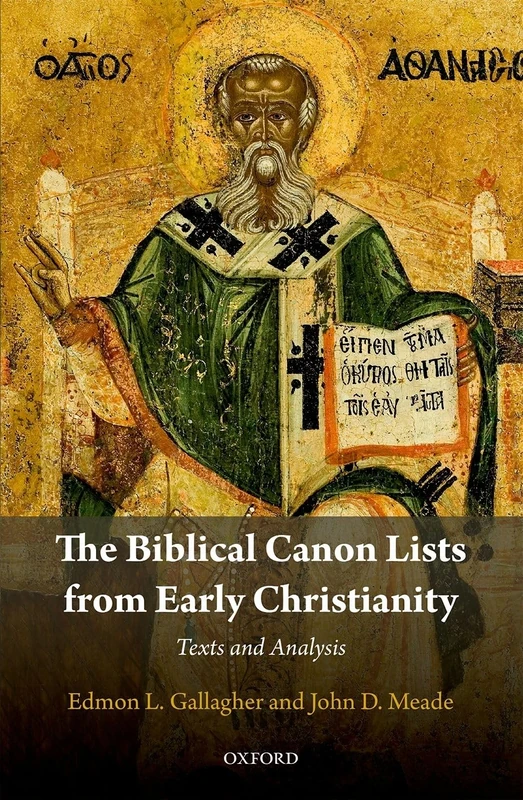
The Biblical Canon Lists from Early Christianity: A Handbook: Texts and Analysis
Oxford University Press
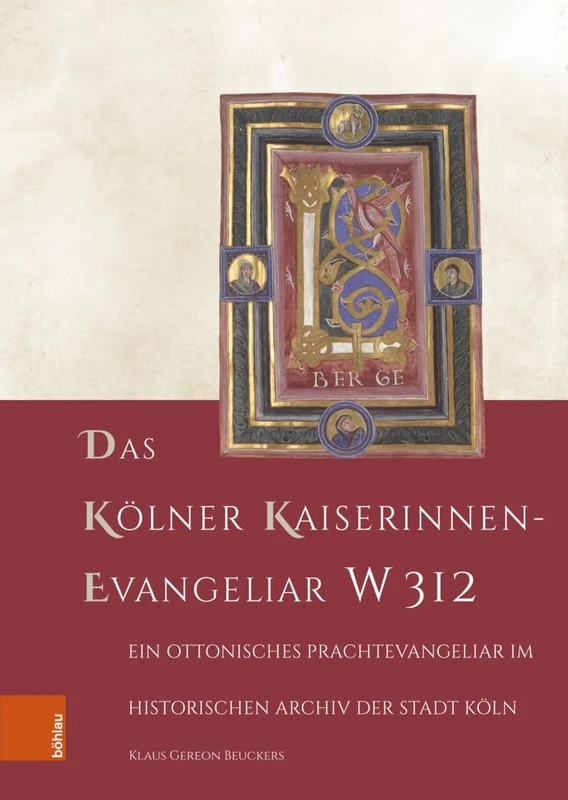
Das Kölner Kaiserinnen-Evangeliar W 312: Ein ottonisches Prachtevangeliar im Historischen Archiv der Stadt Köln (Forschungen zu Kunst, Geschichte und Literatur des Mittelalters)
Bohlau Verlag
Price unavailable
The New Testament in Antiquity and Byzantium: Traditional and Digital Approaches to its Texts and Editing. A Festschrift for Klaus Wachtel: 52 (Arbeiten zur Neutestamentlichen Textforschung, 52)
De Gruyter
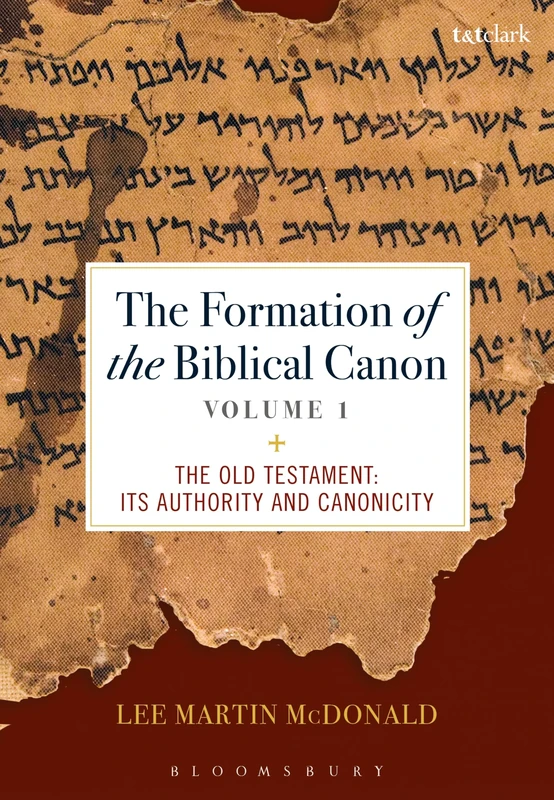
The Formation of the Biblical Canon: Volume 1: The Old Testament: Its Authority and Canonicity
Bloomsbury

History and Literature of Early Christianity: Introduction to the New Testament: 02
De Gruyter
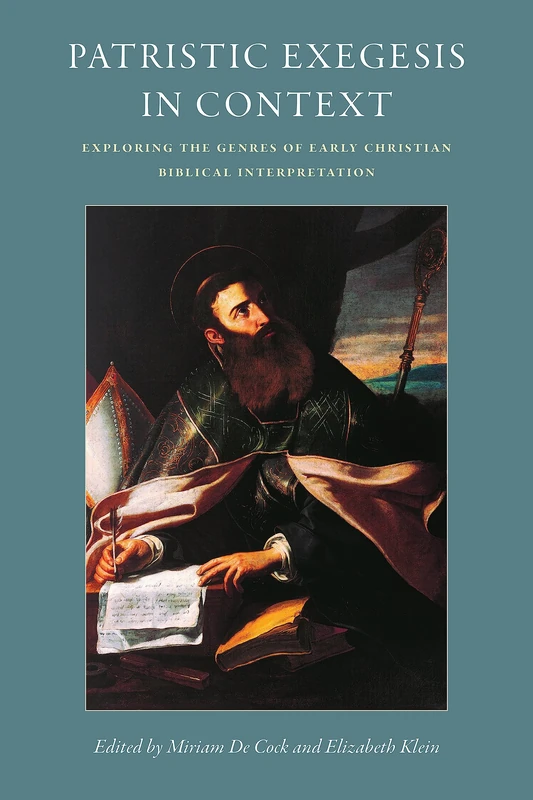
Patristic Exegesis in Context: Exploring the Genres of Early Christian Biblical Interpretation (CUA Studies in Early Christianity)
Catholic University of America Press
From the Gospel to the Gospels: History, Theology and Impact of the Biblical Term 'euangelion': 195 (Beihefte zur Zeitschrift fur die Neutestamentliche Wissenschaft, 195)
De Gruyter
The Nag Hammadi Library After Fifty Years: Proceedings of the 1995 Society of Biblical Literature Commemoration (Nag Hammadi and Manichaean Studies): 44
Brill
Tatian's Diatessaron: Composition, Redaction, Recension, and Reception (Oxford Early Christian Studies)
Oxford University Press
A Poetic Discontent: Austin Farrer and the Gospel of Mark (Library of New Testament Studies): v. 419
Bloomsbury
T&T Clark - The Pseudepigrapha and Christian Origins Vol 4
Bloomsbury
A Simple Guide to Luke (Simple Guides to the Gospels): Volume 4
Rowman & Littlefield Publishers
Divine Scripture in Human Understanding - Notre Dame Press
University of Notre Dame Press
Before There Was a Bible: Authorities in Early Christianity
Bloomsbury
Early Christian Literature and Intertextuality: Volume 2: Exegetical Studies: v. 2 (The Library of New Testament Studies)
Bloomsbury
The Ante-Nicene Fathers: The Writings of the Fathers Down to A.D. 325, Volume IX Recently Discovered Additions to Early Christian Literature; C: 9
Cosimo Classics
The Commentaries of Isho'dad of Merv, Bishop of Hadatha (c. 850 A.D.): In Syriac and English Volume 1: Translation (Cambridge Library Collection - Religion)
Cambridge University Press