We can't find the internet
Attempting to reconnect
Something went wrong
Hang in there while we get back on track
£112.29
This is the most expensive it has ever been. Walk away.
£112 today · previous high £112 · all-time low £110
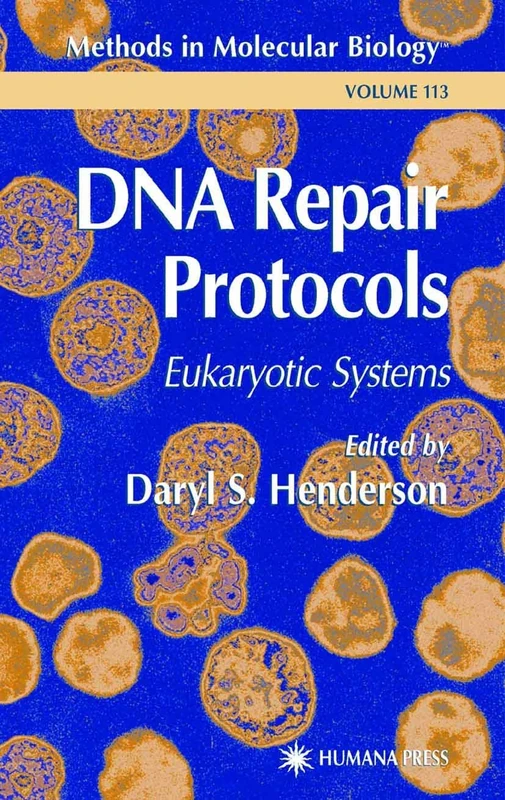
Humana DNA Repair Protocols: 113 - Methods in Molecular Biology
We'll watch every seller, every day. One email when your price arrives.
Price History & Forecast
Grey patches = out of stock. Cheaper = lower on the chart. Hover for exact prices.
Last 52 days · 52 data points (no recent data)
NEW HERE?
Amazon shows you one price. We show you all of them.
Tosheroon watches Amazon prices so you don't have to. Every product on Amazon has a price history — we make it visible. Set the price you'd actually pay, and we'll email you the second it gets there. No app, no account, one email.
WHAT'S ON THIS PAGE
when this has been cheap or pricey
where the price is heading next
all-time high & low, recent range
name your number, we'll email you
Price Distribution
Price distribution over 52 days • 2 price levels
Price Analysis
Most common price: £110 (51 days, 98.1%)
Price range: £110 - £112
Price levels: 2 different prices over 52 days
Description
Key Features
DNA Repair Protocols: 113 covers classical human repair disorders including xeroderma pigmentosum, Cockayne syndrome, and ataxia telangiectasia with detailed molecular cloning procedures.
This Methods in Molecular Biology volume explains nucleotide excision repair (NER) core reactions and the dual role of NER proteins in both repair and transcription.
Humana's DNA Repair Protocols book integrates advances in molecular biology, protein biochemistry, and genetics to provide comprehensive laboratory protocols.
The volume addresses mismatch repair mechanisms and DNA damage response pathways essential for understanding eukaryotic DNA repair systems.
Part of the established Methods in Molecular Biology series, this book delivers practical, reproducible protocols for DNA repair research and molecular genetics experiments.
Product Specifications
- Brand
- Humana
- Format
- paperback
- ASIN
- 1617371963
- Domain
- Amazon UK
- Release Date
- 10 November 2010
- Listed Since
- 11 July 2010
Barcode
No barcode data available
Similar Products You Might Like
DNA Repair: Methods and Protocols: 1999 (Methods in Molecular Biology, 1999)
Humana
DNA Repair: 12 (Nucleic Acids and Molecular Biology, 12)
Springer

DNA Repair: Pt. B: 409 (Methods in Enzymology): Volume 409
Elsevier
Replicating And Repairing The Genome: From Basic Mechanisms To Modern Genetic Technologies
World Scientific Publishing Company
Base Excision Repair (Volume 68) (Progress in Nucleic Acid Research and Molecular Biology, Volume 68)
Elsevier
DNA Damage and Repair: Advances from Phage to Humans
Humana
Academic Press DNA Damage and Chromosomal Instability Vol 182
Elsevier
DNA Damage and Repair: Methods and Applications
Callisto Reference
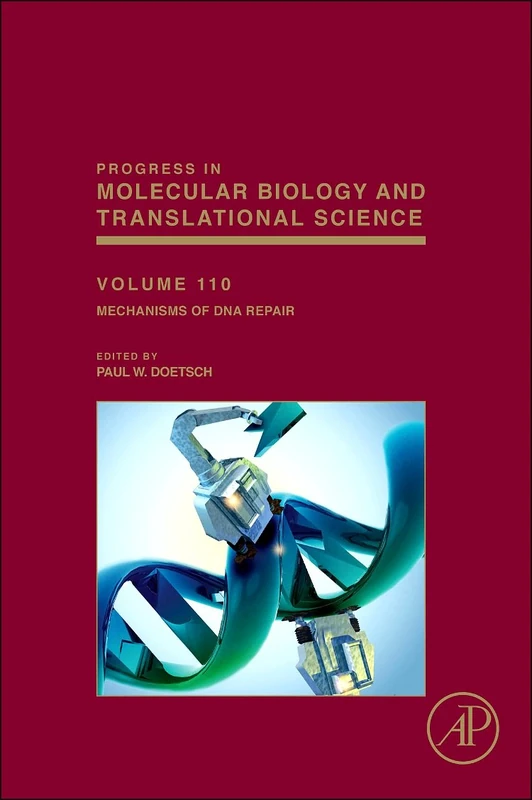
Mechanisms of DNA Repair (Volume 110) (Progress in Molecular Biology and Translational Science, Volume 110)
Elsevier

DNA Repair Enzymes: Cell, Molecular, and Chemical Biology (Volume 591) (Methods in Enzymology, Volume 591)
Elsevier

The Role of DNA Damage and Repair in Cell Aging (Volume 4) (Advances in Cell Aging and Gerontology, Volume 4)
Elsevier

Academic Press DNA Repair Enzymes Volume 592 - Methods in Enzymology
Elsevier

Homing Endonucleases: Methods and Protocols: 1123 (Methods in Molecular Biology)
Humana
Mechanisms of DNA Damage and Repair: Implications for Carcinogenesis and Risk Assessment: 38 (Basic Life Sciences, 38)
Springer
DNA Recombination: Methods and Protocols: 745 (Methods in Molecular Biology, 745)
Humana
Synthetic DNA: Methods and Protocols: 1472 (Methods in Molecular Biology, 1472)
Humana

Academic Press DNA Replication-Repair Interface Vol 661
Elsevier
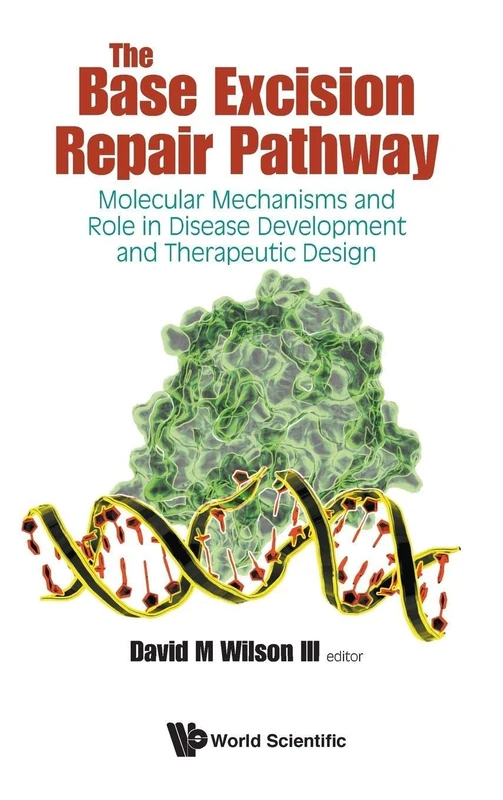
Base Excision Repair Pathway - DNA Repair Mechanisms & Disease
World Scientific Publishing Company
Mechanisms of DNA Recombination and Genome Rearrangements: Methods to Study Homologous Recombination (Volume 600) (Methods in Enzymology, Volume 600)
Elsevier
DNA Repair and Replication: Mechanisms and Clinical Significance
Garland Science