We can't find the internet
Attempting to reconnect
Something went wrong
Hang in there while we get back on track
£108.01
This is the most expensive it has ever been. Walk away.
£108 today · previous high £108 · all-time low £108
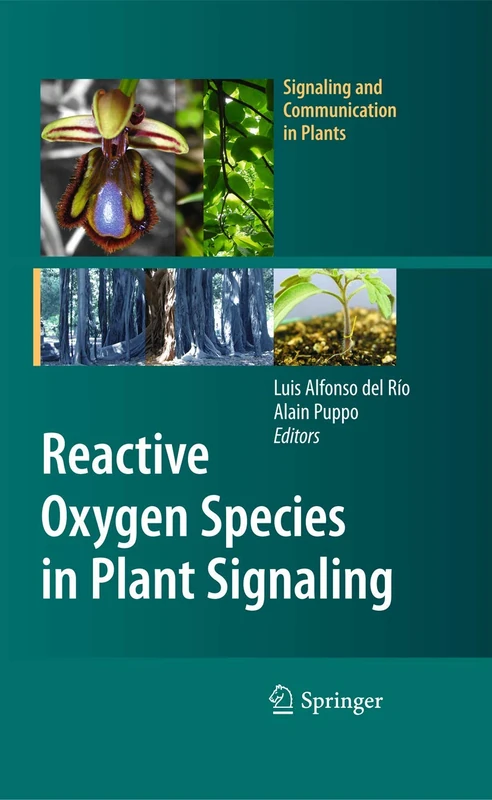
Springer Reactive Oxygen Species in Plant Signaling (Signaling and Communication in Plants)
We'll watch every seller, every day. One email when your price arrives.
Price History & Forecast
Grey patches = out of stock. Cheaper = lower on the chart. Hover for exact prices.
Last 17 days · 17 data points (no recent data)
NEW HERE?
Amazon shows you one price. We show you all of them.
Tosheroon watches Amazon prices so you don't have to. Every product on Amazon has a price history — we make it visible. Set the price you'd actually pay, and we'll email you the second it gets there. No app, no account, one email.
WHAT'S ON THIS PAGE
when this has been cheap or pricey
where the price is heading next
all-time high & low, recent range
name your number, we'll email you
Price Distribution
Price distribution over 17 days • 1 price levels
Price Analysis
Most common price: £108 (17 days, 100.0%)
Price range: £108 - £108
Price levels: 1 different prices over 17 days
Description
Product Specifications
- Brand
- Springer
- Format
- paperback
- ASIN
- 3642242618
- Category
- Books > Subjects > Science, Nature & Maths > Biological Sciences > Animal Sciences > Physiology
- Domain
- Amazon UK
- Release Date
- 29 November 2011
- Listed Since
- 16 December 2011
Barcode
No barcode data available
Similar Products You Might Like

Reactive Oxygen Species and Oxidative Damage in Plants Under Stress
Springer
Low-Oxygen Stress in Plants: Oxygen Sensing and Adaptive Responses to Hypoxia: 21 (Plant Cell Monographs, 21)
Springer
Nitric Oxide and Hydrogen Peroxide Signaling in Higher Plants
Springer
Oxidative Stress Mechanisms and their Modulation
Springer
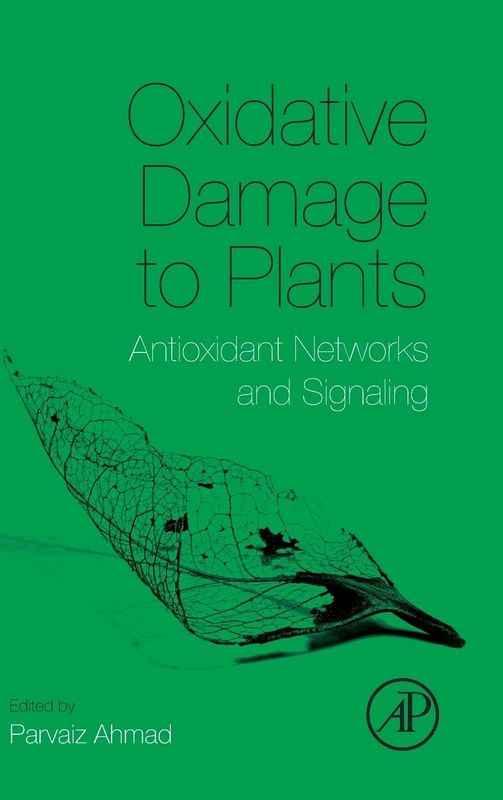
Oxidative Damage to Plants: Antioxidant Networks and Signaling
Elsevier

Oxidative Stress: Human Diseases and Medicine
Springer
Biological Control of Photosynthesis: Proceedings of a conference held at the ‘Limburgs Universitair Centrum’, Diepenbeek, Belgium, 26–30 August 1985: 19 (Advances in Agricultural Biotechnology, 19)
Springer
Plant Responses to Air Pollution
Springer
Nitric Oxide in Plants: Metabolism and Role in Stress Physiology
Springer
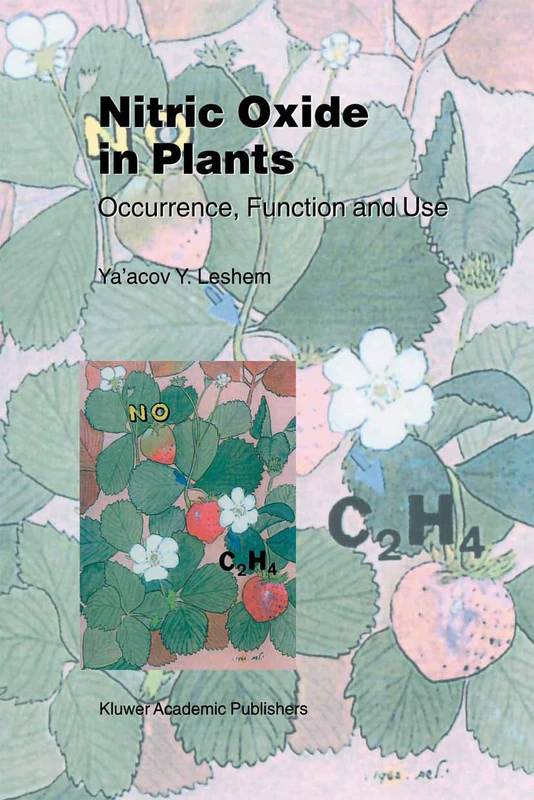
Nitric Oxide in Plants: Occurrence, Function and Use
Springer
Plant Responses to the Gaseous Environment: Molecular, metabolic and physiological aspects
Springer
Signaling in Plants (Signaling and Communication in Plants)
Springer
Environmental Toxicology and Chemistry of Oxygen Species: 2 / 2I (The Handbook of Environmental Chemistry, 2 / 2I)
Springer
Ion Channels and Plant Stress Responses (Signaling and Communication in Plants)
Springer
Osmoprotectant-Mediated Abiotic Stress Tolerance in Plants: Recent Advances and Future Perspectives
Springer
Metal Toxicity in Plants: Perception, Signaling and Remediation
Springer
Gasotransmitters in Plants: The Rise of a New Paradigm in Cell Signaling (Signaling and Communication in Plants)
Springer
Ascorbate-Glutathione Pathway and Stress Tolerance in Plants
Springer
Phytohormones and Abiotic Stress Tolerance in Plants
Springer
Phytohormones and Abiotic Stress Tolerance in Plants
Springer
Aluminum Stress Adaptation in Plants: 24 (Signaling and Communication in Plants, 24)
Springer
Aluminum Stress Adaptation in Plants: 24 (Signaling and Communication in Plants, 24)
Springer
Oxidants and Antioxidant Defense Systems: 2 / 2O (The Handbook of Environmental Chemistry, 2 / 2O)
Springer
Stress Responses in Plants: Mechanisms of Toxicity and Tolerance
Springer