£109.87

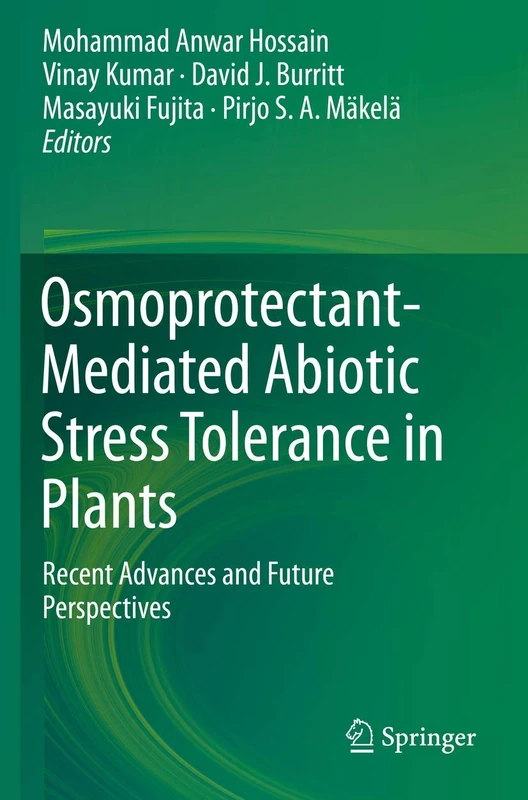
Springer Osmoprotectant-Mediated Abiotic Stress Tolerance in Plants: Recent Advances and Future Perspectives

Price data last checked 51 day(s) ago - refreshing...

View at Amazon

We'll watch every seller, every day. One email when your price arrives.

About as cheap as it gets. The only time it was cheaper was 2 months ago.

£110 today · all-time low £109 (May 2026) · usually the usual

NEW HERE?

Amazon shows you one price. We show you all of them.

Tosheroon watches Amazon prices so you don't have to. Every product on Amazon has a price history — we make it visible. Set the price you'd actually pay, and we'll email you the second it gets there. No app, no account, one email.

WHAT'S ON THIS PAGE

↓ Price chart
when this has been cheap or pricey
↓ Forecast
where the price is heading next
↓ Statistics
all-time high & low, recent range
↑ Price alert
name your number, we'll email you

Price History & Forecast

Grey patches = out of stock. Cheaper = lower on the chart. Hover for exact prices.

Last 40 days · 40 data points (no recent data)

Historical
Generating forecast…
£113.63 £108.50 £109.62 £110.74 £111.86 £112.98 £114.10 23 April 2026 02 May 2026 12 May 2026 22 May 2026 01 June 2026

Price Distribution

Price distribution over 40 days • 4 price levels

Days at Price
Current Price
4 days 7 days · current 21 days 8 days 0 5 11 16 21 £109 £110 £111 £114 Days at Price

Price Analysis

Most common price: £111 (21 days, 52.5%)

Price range: £109 - £114

Price levels: 4 different prices over 40 days

Description

In nature, plants are constantly challenged by various abiotic and biotic stresses that can restrict their growth, development and yields. In the course of their evolution, plants have evolved a variety of sophisticated and efficient mechanisms to sense, respond to, and adapt to changes in the surrounding environment. A common defensive mechanism activated by plants in response to abiotic stress is the production and accumulation of compatible solutes (also called osmolytes). This include amino acids (mainly proline), amines (such as glycinebetaine and polyamines), and sugars (such as trehalose and sugar alcohols), all of which are readily soluble in water and non-toxic at high concentrations. The metabolic pathways involved in the biosynthesis and catabolism of compatible solutes, and the mechanisms that regulate their cellular concentrations and compartmentalization are well characterized in many important plant species. Numerous studies have provided evidence that enhanced accumulation of compatible solutes in plants correlates with increased resistance to abiotic stresses. New insights into the mechanisms associated with osmolyte accumulation in transgenic plants and the responses of plants to exogenous application of osmolyte, will further enhance our understanding of the mechanisms by which compatible solutes help to protect plants from damage due to abiotic stress and the potential roles compatible solutes could play in improving plants growth and development under optimal conditions for growth. Although there has been significant progress made in understanding the multiple roles of compatible solute in abiotic stress tolerance, many aspects associated with compatible solute-mediated abiotic stress responses and stress tolerance still require more research. As well as providing basic up-to-date information on the biosynthesis, compartmentalization and transport of compatible solute in plants, this book will also give insights into the direct or indirect involvement of these key compatible solutes in many important metabolic processes and physiological functions, including their antioxidant and signaling functions, and roles in modulating plant growth, development and abiotic stress tolerance.   In this book, Osmoprotectant-mediated abiotic stress tolerance in plants: recent advances and future perspectives, we present a collection of 16 chapters written by leading experts engaged with compatible solute-induced abiotic stress tolerance in plants. The main objective of this volume is to promote the important roles of these compatible solutes in plant biology, by providing an integrated and comprehensive mix of basic and advanced information for students, scholars and scientists interested in, or already engaged in, research involving osmoprotectant. Finally, this book will be a valuable resource for future environmental stress-related research, and can be considered as a textbook for graduate students and as a reference book for front-line researchers working on the relationships between osmoprotectant and abiotic stress responses and tolerance in plants. From the Back Cover In nature, plants are constantly challenged by various abiotic and biotic stresses that can restrict their growth, development and yields. In the course of their evolution, plants have evolved a variety of sophisticated and efficient mechanisms to sense, respond to, and adapt to changes in the surrounding environment. A common defensive mechanism activated by plants in response to abiotic stress is the production and accumulation of compatible solutes (also called osmolytes). This include amino acids (mainly proline), amines (such as glycinebetaine and polyamines), and sugars (such as trehalose and sugar alcohols), all of which are readily soluble in water and non-toxic at high concentrations. The metabolic pathways involved in the biosynthesis and catabolism of compatible solutes, and the mechanisms that regu

Product Specifications

Format
paperback
Domain
Amazon UK
Release Date
13 November 2020
Listed Since
17 October 2020

Barcode

No barcode data available

Similar Products You Might Like
Phytohormones and Abiotic Stress Tolerance in Plants
87% match

Phytohormones and Abiotic Stress Tolerance in Plants

Springer
£107.98 27 May 2026
Phytohormones and Abiotic Stress Tolerance in Plants
87% match

Phytohormones and Abiotic Stress Tolerance in Plants

Springer
£107.98 24 May 2026
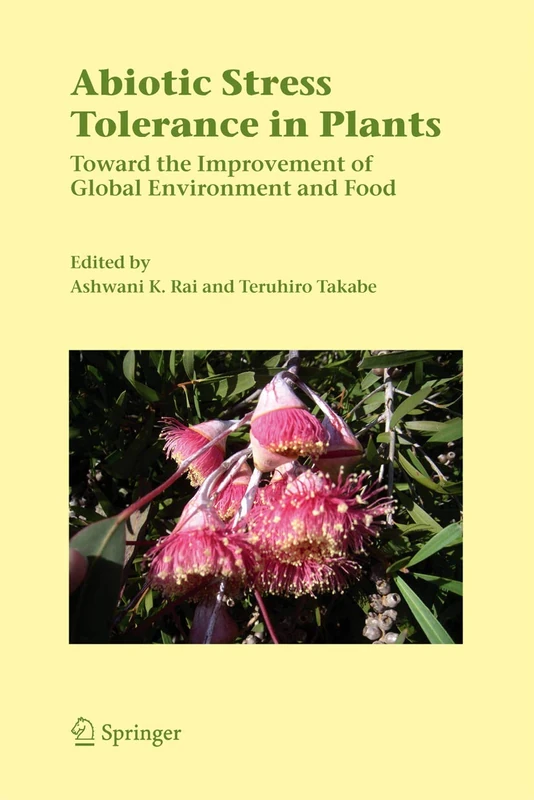
Abiotic Stress Tolerance in Plants: Toward the Improvement of Global Environment and Food
86% match

Abiotic Stress Tolerance in Plants: Toward the Improvement of Global Environment and Food

Springer
£113.09 23 May 2026
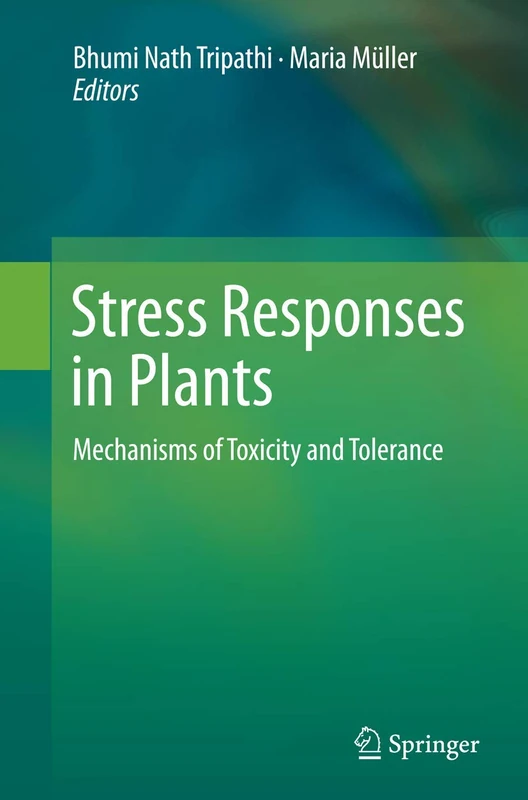
Stress Responses in Plants: Mechanisms of Toxicity and Tolerance
84% match

Stress Responses in Plants: Mechanisms of Toxicity and Tolerance

Springer
£76.38 01 Jun 2026
Salinity Responses and Tolerance in Plants, Volume 1: Targeting Sensory, Transport and Signaling Mechanisms
84% match

Salinity Responses and Tolerance in Plants, Volume 1: Targeting Sensory, Transport and Signaling Mechanisms

Springer
£76.38 23 Jun 2026
Salinity Responses and Tolerance in Plants, Volume 1: Targeting Sensory, Transport and Signaling Mechanisms
84% match

Salinity Responses and Tolerance in Plants, Volume 1: Targeting Sensory, Transport and Signaling Mechanisms

Springer
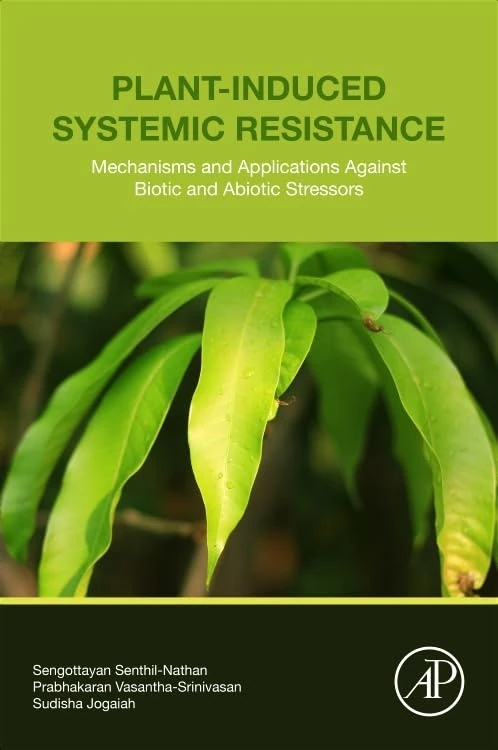
£77.33 22 May 2026
Plant-Induced Systemic Resistance: Mechanisms and Applications Against Biotic and Abiotic Stressors
84% match

Plant-Induced Systemic Resistance: Mechanisms and Applications Against Biotic and Abiotic Stressors

Academic Press
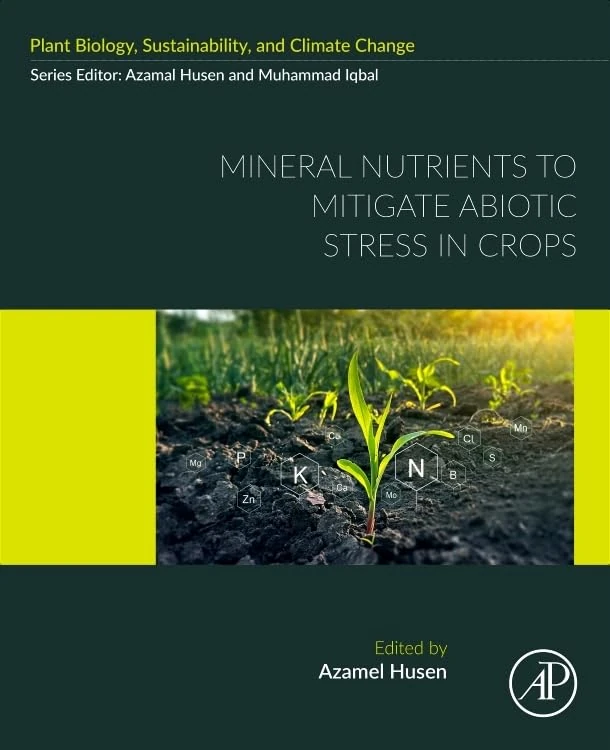
£137.99 20 May 2026
Mineral Nutrients to Mitigate Abiotic Stress in Crops (Plant Biology, Sustainability, and Climate Change)
84% match

Mineral Nutrients to Mitigate Abiotic Stress in Crops (Plant Biology, Sustainability, and Climate Change)

Academic Press

£174.99 25 May 2026
Physiological Mechanisms and Adaptation Strategies in Plants Under Changing Environment: Volume 2
83% match

Physiological Mechanisms and Adaptation Strategies in Plants Under Changing Environment: Volume 2

Springer
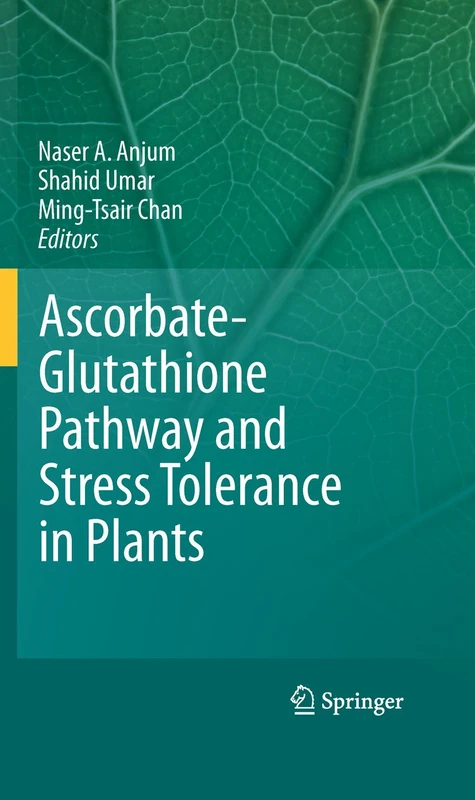
£111.83 27 May 2026
Ascorbate-Glutathione Pathway and Stress Tolerance in Plants
83% match

Ascorbate-Glutathione Pathway and Stress Tolerance in Plants

Springer
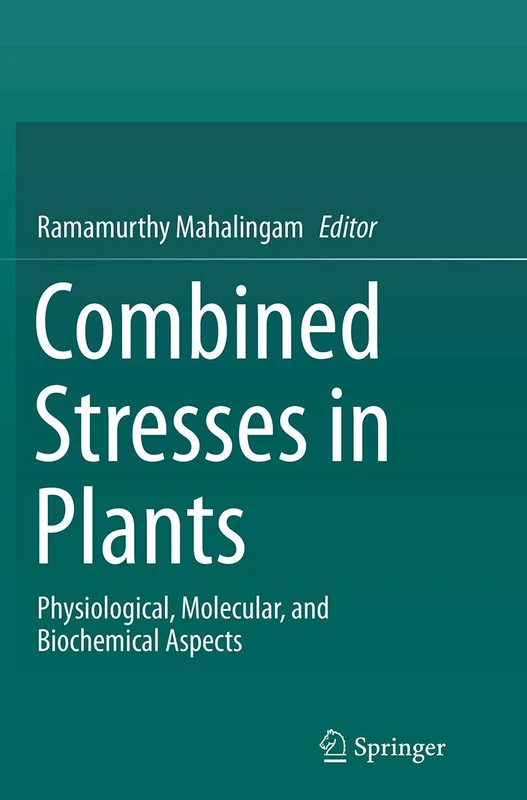
£142.63 01 Jun 2026
Combined Stresses in Plants: Physiological, Molecular, and Biochemical Aspects
83% match

Combined Stresses in Plants: Physiological, Molecular, and Biochemical Aspects

Springer
£107.98 05 Jun 2026
Low-Oxygen Stress in Plants: Oxygen Sensing and Adaptive Responses to Hypoxia: 21 (Plant Cell Monographs, 21)
83% match

Low-Oxygen Stress in Plants: Oxygen Sensing and Adaptive Responses to Hypoxia: 21 (Plant Cell Monographs, 21)

Springer

£84.86 04 May 2026
Reactive Oxygen Species and Oxidative Damage in Plants Under Stress
83% match

Reactive Oxygen Species and Oxidative Damage in Plants Under Stress

Springer
£109.87 04 Jun 2026
Plant Microbiome: Stress Response: 5 (Microorganisms for Sustainability, 5)
82% match

Plant Microbiome: Stress Response: 5 (Microorganisms for Sustainability, 5)

Springer
£148.92 05 Jun 2026
Stress Signaling in Plants: Genomics and Proteomics Perspective, Volume 1
82% match

Stress Signaling in Plants: Genomics and Proteomics Perspective, Volume 1

Springer
£107.98 04 Jun 2026
Abiotic Stress Physiology of Horticultural Crops
82% match

Abiotic Stress Physiology of Horticultural Crops

Springer
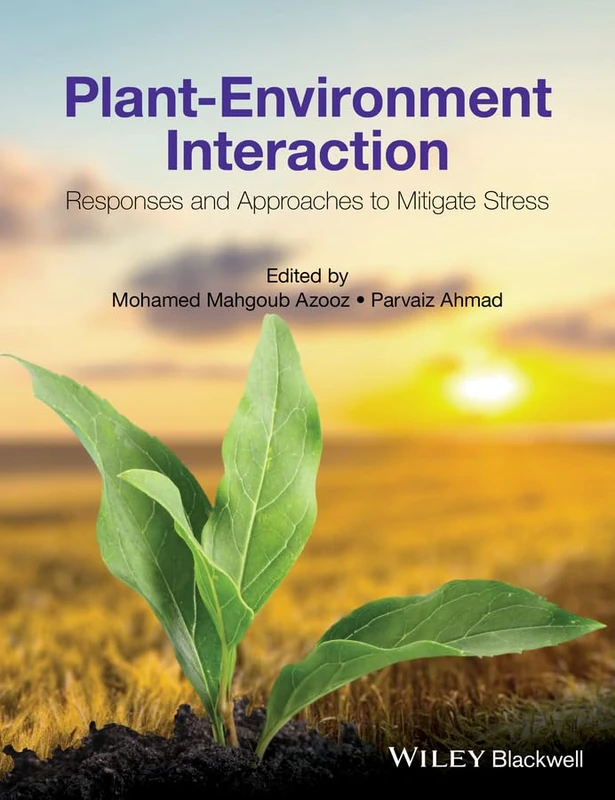
£111.73 21 Jun 2026
Plant-Environment Interaction: Responses and Approaches to Mitigate Stress
82% match

Plant-Environment Interaction: Responses and Approaches to Mitigate Stress

Wiley
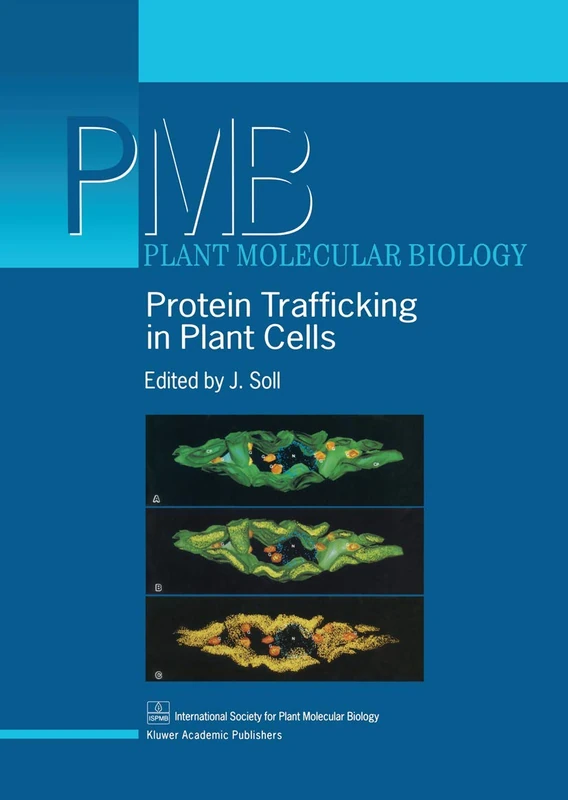
£118.03 23 May 2026
Protein Trafficking in Plant Cells
82% match

Protein Trafficking in Plant Cells

Springer
£114.71 03 Jun 2026
Research Progress in Oligosaccharins
82% match

Research Progress in Oligosaccharins

Springer
£74.12 15 Jun 2026
Plant Signaling Peptides: 16 (Signaling and Communication in Plants, 16)
82% match

Plant Signaling Peptides: 16 (Signaling and Communication in Plants, 16)

Springer
£107.98 04 Jun 2026
Phytohormones: A Window to Metabolism, Signaling and Biotechnological Applications
82% match

Phytohormones: A Window to Metabolism, Signaling and Biotechnological Applications

Springer
£111.48 18 May 2026
Physiological Mechanisms and Adaptation Strategies in Plants Under Changing Environment: Volume 1
82% match

Physiological Mechanisms and Adaptation Strategies in Plants Under Changing Environment: Volume 1

Springer
£111.46 26 May 2026
Ion Channels and Plant Stress Responses (Signaling and Communication in Plants)
82% match

Ion Channels and Plant Stress Responses (Signaling and Communication in Plants)

Springer
£107.93 31 May 2026
Transcription Factors for Abiotic Stress Tolerance in Plants
82% match

Transcription Factors for Abiotic Stress Tolerance in Plants

Academic Press

£102.79 09 Jun 2026