We can't find the internet
Attempting to reconnect
Something went wrong
Hang in there while we get back on track
£85.53
This is the most expensive it has ever been. Walk away.
£86 today · previous high £86 · all-time low £86
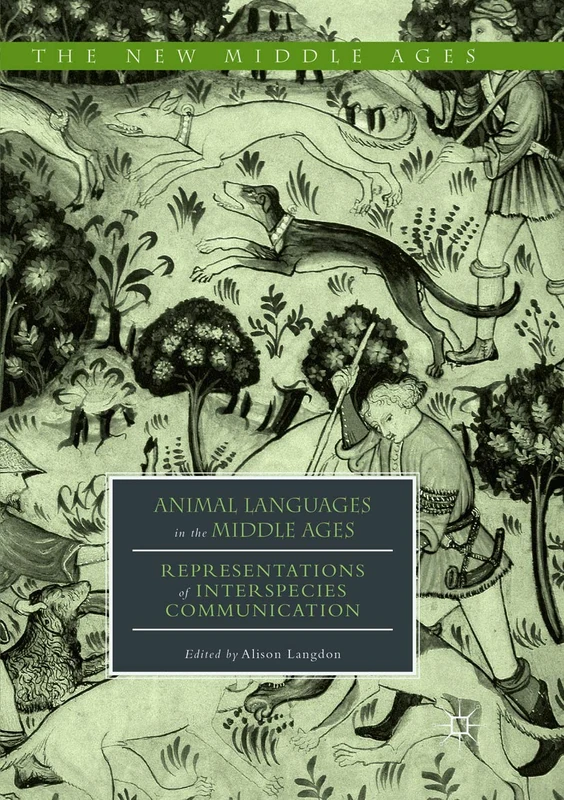
MACMILLAN Animal Languages in the Middle Ages: Representations of Interspecies Communication
We'll watch every seller, every day. One email when your price arrives.
Price History & Forecast
Grey patches = out of stock. Cheaper = lower on the chart. Hover for exact prices.
Last 74 days · 74 data points (no recent data)
NEW HERE?
Amazon shows you one price. We show you all of them.
Tosheroon watches Amazon prices so you don't have to. Every product on Amazon has a price history — we make it visible. Set the price you'd actually pay, and we'll email you the second it gets there. No app, no account, one email.
WHAT'S ON THIS PAGE
when this has been cheap or pricey
where the price is heading next
all-time high & low, recent range
name your number, we'll email you
Price Distribution
Price distribution over 74 days • 1 price levels
Price Analysis
Most common price: £86 (74 days, 100.0%)
Price range: £86 - £86
Price levels: 1 different prices over 74 days
Description
Product Specifications
- Brand
- MACMILLAN
- Format
- paperback
- ASIN
- 3319891170
- Domain
- Amazon UK
- Release Date
- 06 June 2019
- Listed Since
- 29 January 2019
Barcode
No barcode data available
Similar Products You Might Like
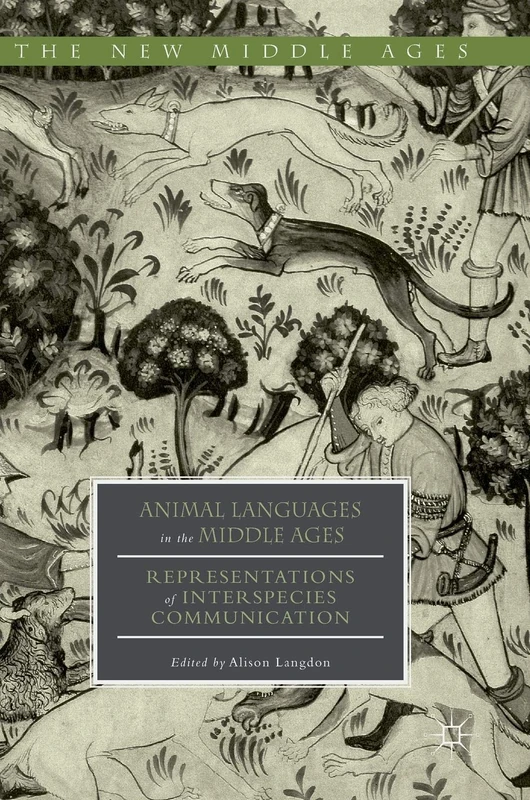
Animal Languages in the Middle Ages: Representations of Interspecies Communication
MACMILLAN
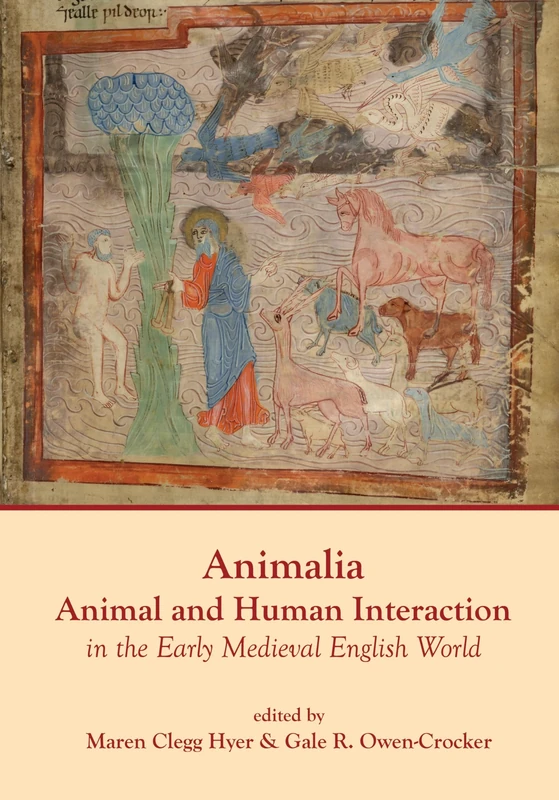
Animalia: Early Medieval English Animal and Human Interaction
Liverpool University Press
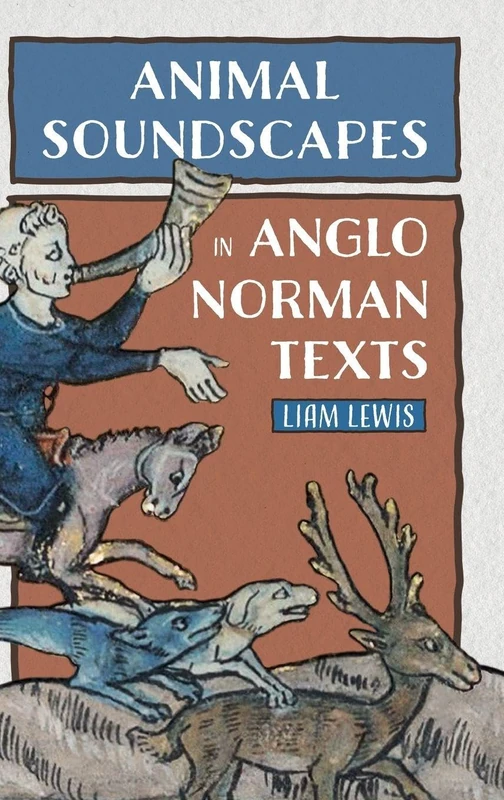
Animal Soundscapes in Anglo-Norman Texts: 5 (Nature and Environment in the Middle Ages)
Boydell Press
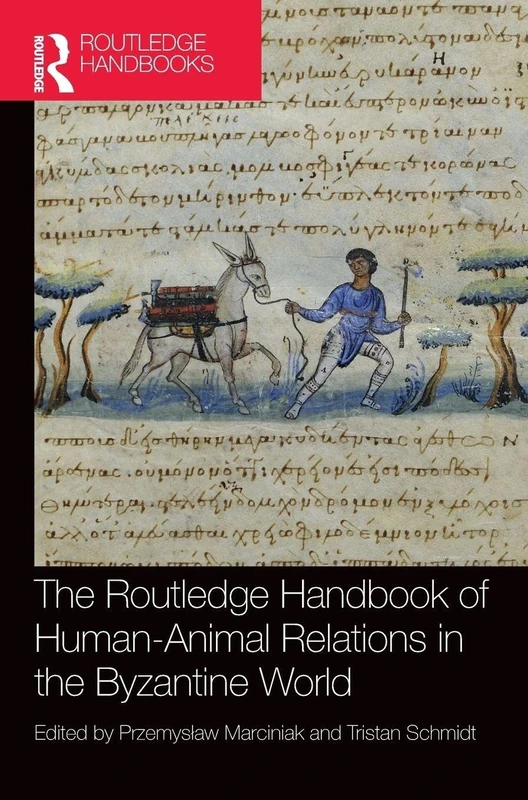
The Routledge Handbook of Human-Animal Relations in the Byzantine World (Routledge History Handbooks)
Routledge
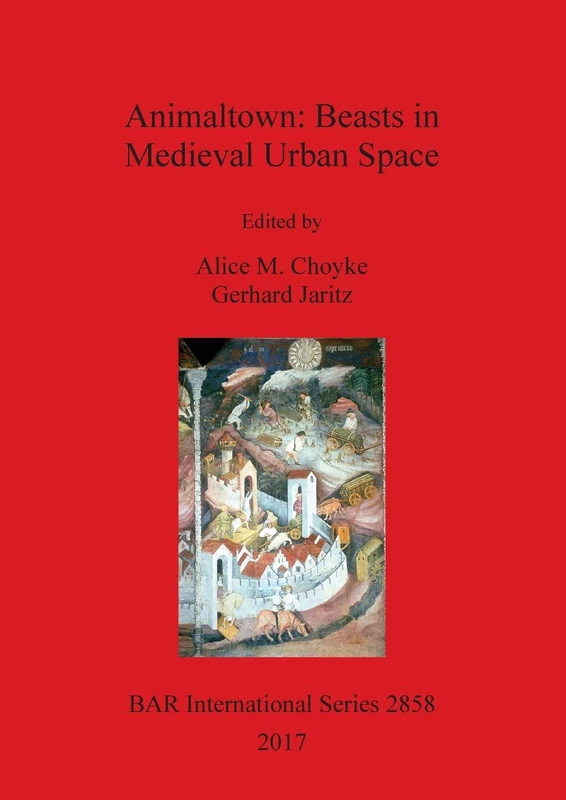
Animaltown: Beasts in Medieval Urban Space: 2858 (British Archaeological Reports International Series)
British Archaeological Reports Oxford Ltd
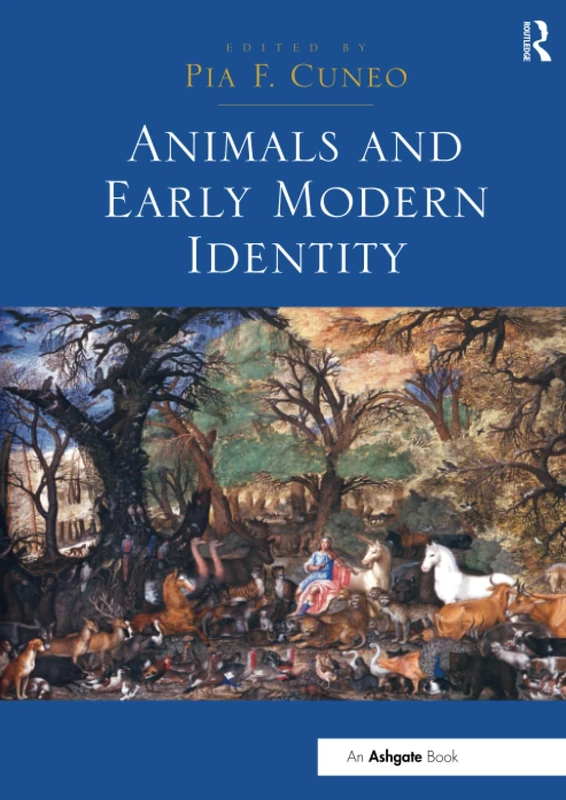
Animals and Early Modern Identity
Routledge
Animals in Art and Thought: To the End of the Middle Ages: 28 (Routledge Library Editions: The Medieval World)
Routledge
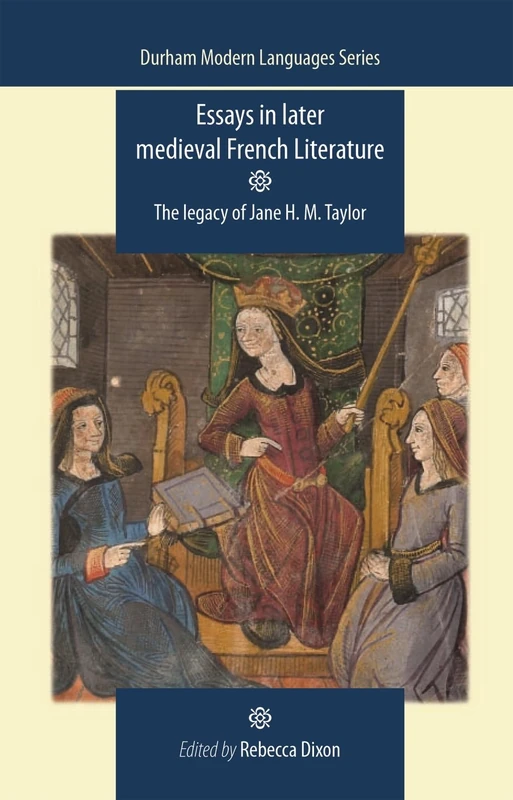
Essays in Later Medieval French Literature: The Legacy of Jane H. M. Taylor (Durham Modern Languages Series)
Manchester University Press
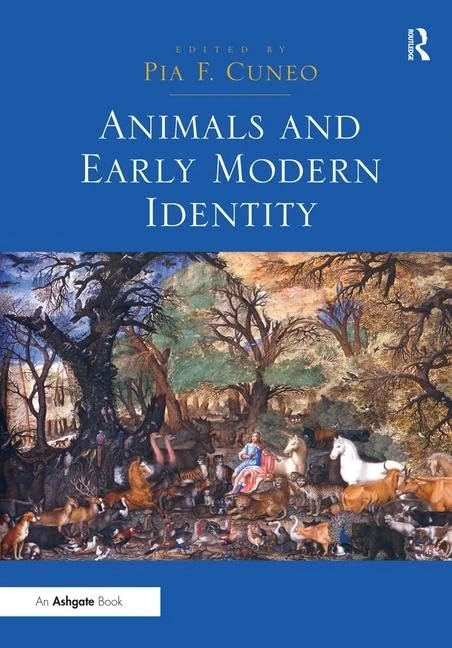
Animals and Early Modern Identity
Routledge
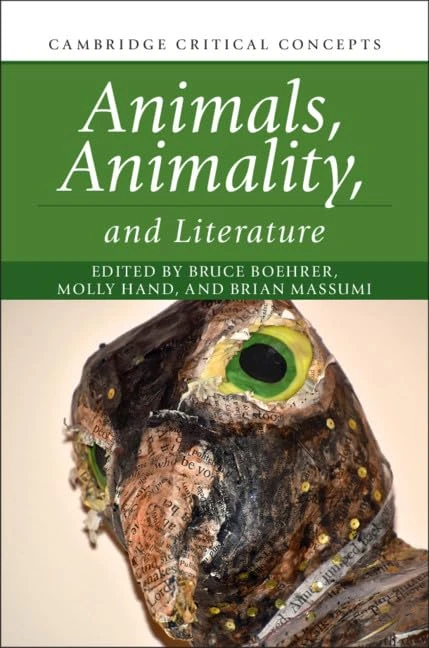
Animals, Animality, and Literature (Cambridge Critical Concepts)
Cambridge University Press
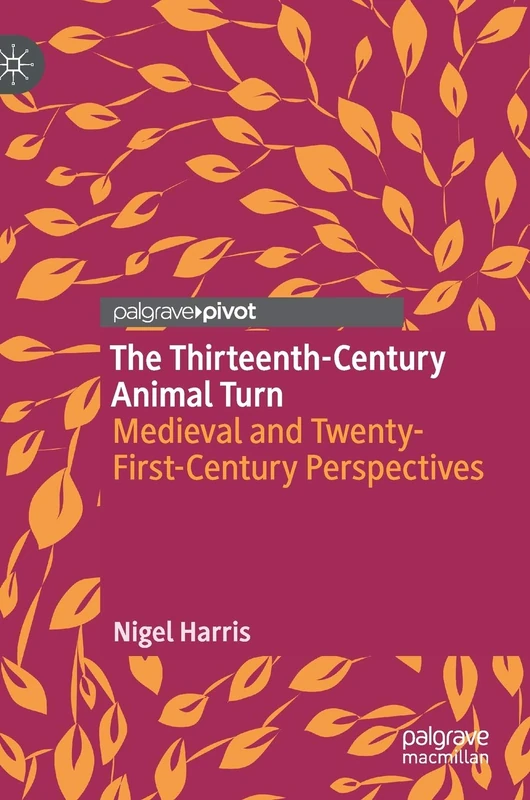
The Thirteenth-Century Animal Turn: Medieval and Twenty-First-Century Perspectives
MACMILLAN
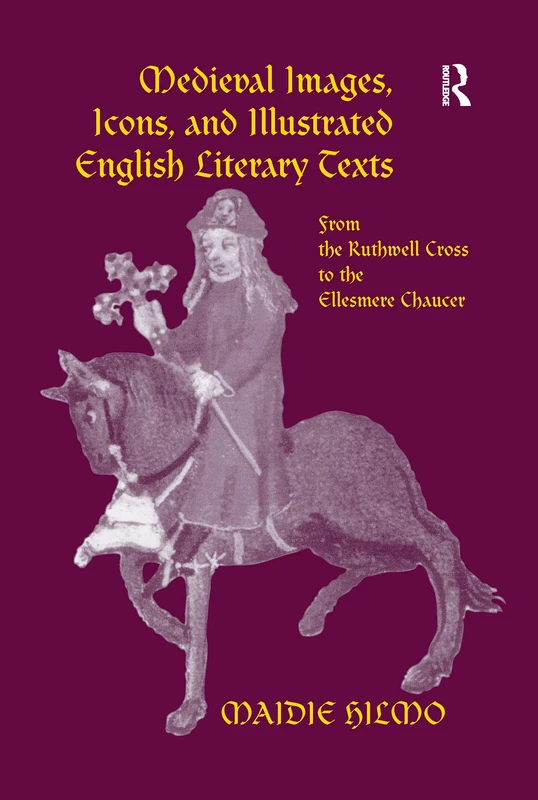
Medieval Images, Icons, and Illustrated English Literary Texts: From the Ruthwell Cross to the Ellesmere Chaucer
Routledge
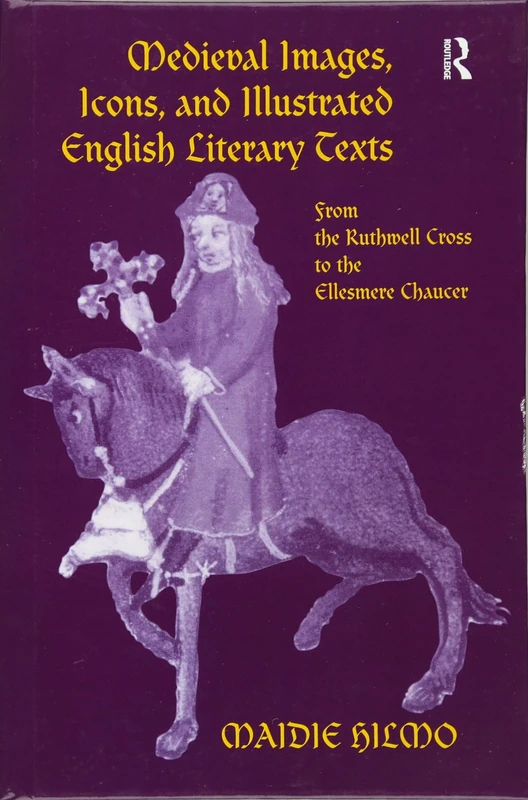
Medieval Images, Icons, and Illustrated English Literary Texts
Routledge
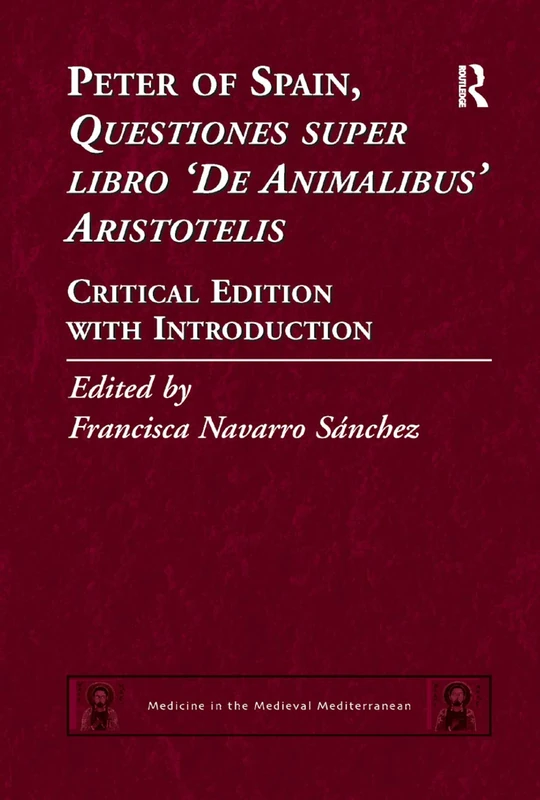
Peter of Spain, Questiones super libro De Animalibus Aristotelis: Critical Edition with Introduction: 5 (Medicine in the Medieval Mediterranean)
Routledge
Medieval Empires and the Culture of Competition: Literary Duels at Islamic and Christian Courts (New Perspectives in Ontology)
Edinburgh University Press
Representing Beasts in Early Medieval England and Scandinavia (Anglo-Saxon Studies)
Boydell Press
A Handbook of Middle English Studies: 4 (Critical Theory Handbooks)
Wiley
Interspecies Interactions: Animals and Humans between the Middle Ages and Modernity
Routledge
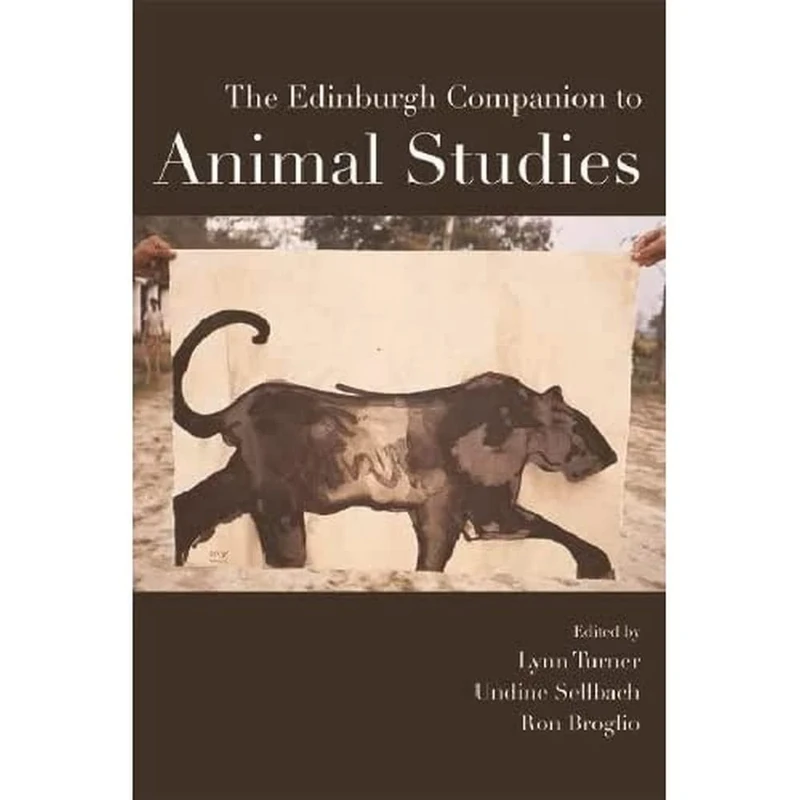
The Edinburgh Companion to Animal Studies (Edinburgh Companions to Literature) (Edinburgh Companions to Literature and the Humanities)
Edinburgh University Press
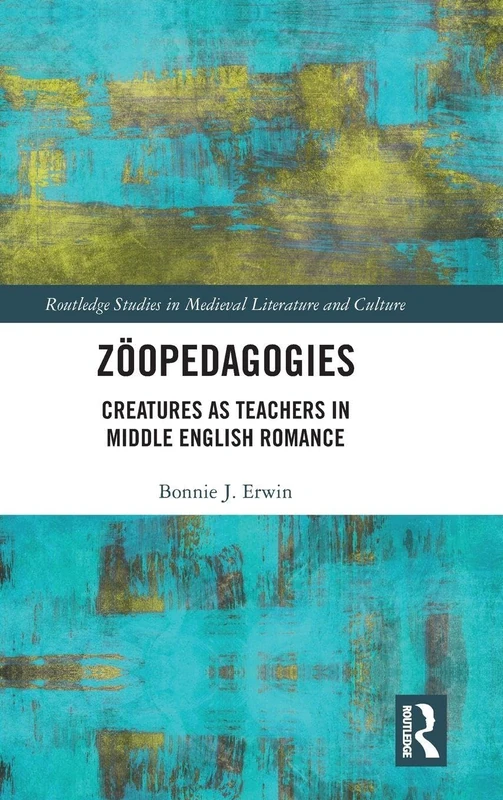
Zöopedagogies: Creatures as Teachers in Middle English Romance (Routledge Studies in Medieval Literature and Culture)
Routledge
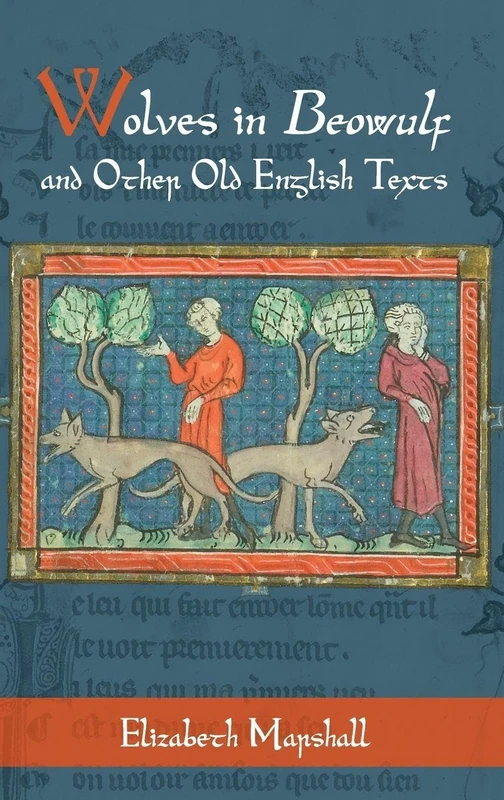
Wolves in Beowulf and Other Old English Texts: 6 (Nature and Environment in the Middle Ages)
Boydell Press
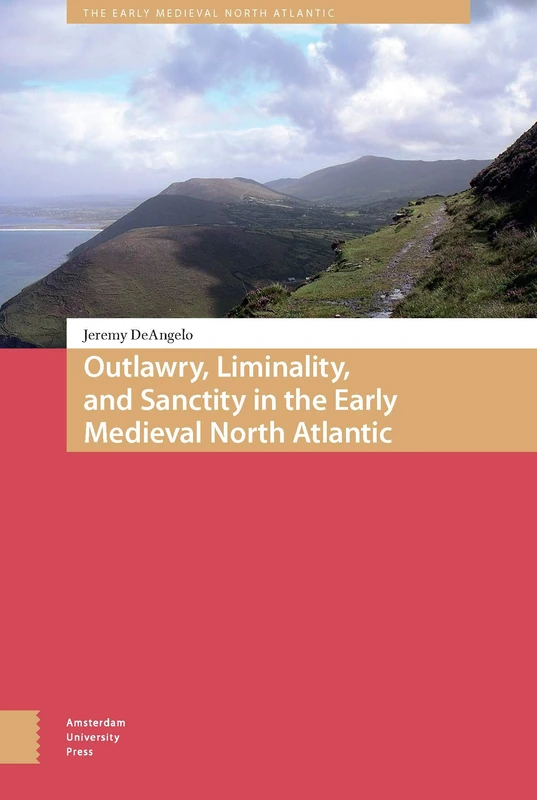
Outlawry, Liminality, and Sanctity in the Literature of the Early Medieval North Atlantic
Amsterdam University Press

Criterion Collection: Trilogy of Life DVD - Pier Paolo Pasolini
The Criterion Collection