We can't find the internet
Attempting to reconnect
Something went wrong
Hang in there while we get back on track
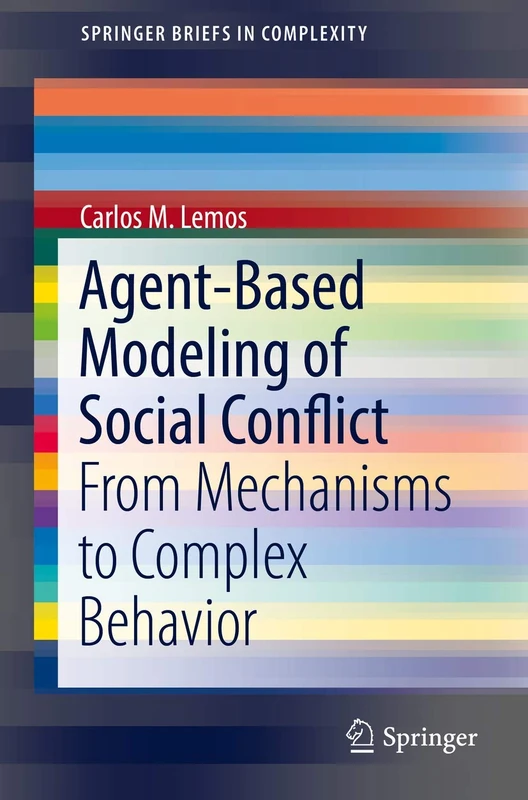
£38.46
It has never been this cheap. We have no record of a lower price.
£38 today · cheaper than every other day in the last 3 months
Springer Agent-Based Modeling of Social Conflict: From Mechanisms to Complex Behavior (SpringerBriefs in Complexity)
Price data last checked 29 day(s) ago - will refresh soon
We'll watch every seller, every day. One email when your price arrives.
Price History & Forecast
Grey patches = out of stock. Cheaper = lower on the chart. Hover for exact prices.
Last 62 days · 62 data points (no recent data)
Price data last checked 29 day(s) ago - will refresh soon
NEW HERE?
Amazon shows you one price. We show you all of them.
Tosheroon watches Amazon prices so you don't have to. Every product on Amazon has a price history — we make it visible. Set the price you'd actually pay, and we'll email you the second it gets there. No app, no account, one email.
WHAT'S ON THIS PAGE
when this has been cheap or pricey
where the price is heading next
all-time high & low, recent range
name your number, we'll email you
Price Distribution
Price distribution over 62 days • 1 price levels
Price Analysis
Most common price: £38 (62 days, 100.0%)
Price range: £38 - £38
Price levels: 1 different prices over 62 days
Description
Product Specifications
- Brand
- Springer
- Format
- paperback
- ASIN
- 3319670492
- Domain
- Amazon UK
- Release Date
- 03 November 2017
- Listed Since
- 26 July 2017
Barcode
No barcode data available
Similar Products You Might Like

Predicting Hotspots: Using Machine Learning to Understand Civil Conflict
Lexington Books
The Dynamics of Conflict: A Guide to Engagement and Intervention
Wiley

The Social Psychology of Intractable Conflicts: Celebrating the Legacy of Daniel Bar-Tal, Volume I: 27 (Peace Psychology Book Series, 27)
Springer

Conflict, Complexity and Mathematical Social Science: 15 (Contributions to Conflict Management, Peace Economics and Development, 15)
Parlux

Computational Conflict Research (Computational Social Sciences)
Springer
Conflict Resolution Using the Graph Model: Strategic Interactions in Competition and Cooperation: 153 (Studies in Systems, Decision and Control, 153)
Springer

The Social Psychology of Intractable Conflicts: Celebrating the Legacy of Daniel Bar-Tal, Volume I: 27 (Peace Psychology Book Series, 27)
Springer
Rethinking Masculinities: Ideology, Identity and Change in the People’s War in Nepal and its Aftermath (Men and Masculinities in a Transnational World)
Rowman & Littlefield Publishers
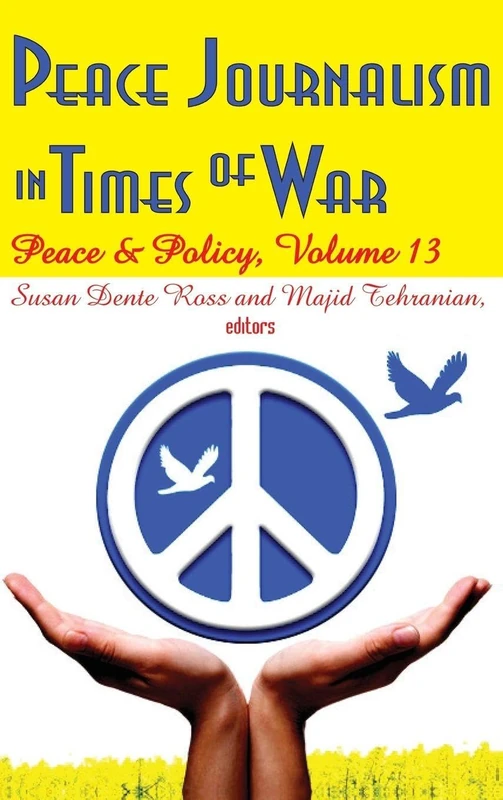
Peace Journalism in Times of War: Volume 13: Peace and Policy
Routledge

Armed Forces and Conflict Resolution: Sociological Perspectives: 7 (Contributions to Conflict Management, Peace Economics and Development, 7)
Emerald Group Publishing Limited

Conflict and Multimodal Communication: Social Research and Machine Intelligence (Computational Social Sciences)
Springer
Cultural Variation in Conflict Resolution: Alternatives To Violence
Psychology Press

Civil Resistance and Conflict Transformation: Transitions from armed to nonviolent struggle (Routledge Studies in Peace and Conflict Resolution)
Routledge

Conflict Prevention and Peace-building in Post-War Societies: Sustaining the Peace (Contemporary Security Studies)
Routledge
Redefining Theory and Practice to Guide Social Transformation: Emerging Research and Opportunities (Advances in Public Policy and Administration)
Information Science Reference

Managing Conflicts in Africa's Democratic Transitions
Lexington Books
Understanding Conflict and Conflict Analysis
Sage Publishing

Rethinking Conflict Resolution and Management (Rethinking Political Science and International Studies series)
Edward Elgar Publishing

The Peace In Between: Post-War Violence and Peacebuilding (Studies in Conflict, Development and Peacebuilding)
Routledge

Peace and Conflict 2016 - Global Patterns & Trends Analysis
Routledge

Conflict Resolution and Ontological Security: Peace Anxieties (PRIO New Security Studies)
Routledge

A Social Psychology Perspective on The Israeli-Palestinian Conflict: Celebrating the Legacy of Daniel Bar-Tal, Vol II.: 2 (Peace Psychology Book Series)
Springer

The Modern Social Conflict: Politics of Liberty - Dahrendorf
Routledge
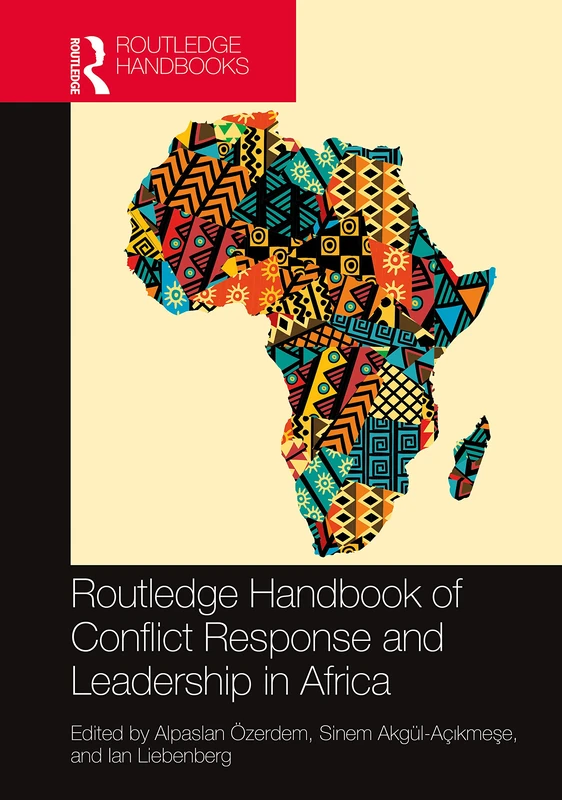
Routledge Handbook of Conflict Response and Leadership in Africa
Routledge