We can't find the internet
Attempting to reconnect
Something went wrong!
Hang in there while we get back on track
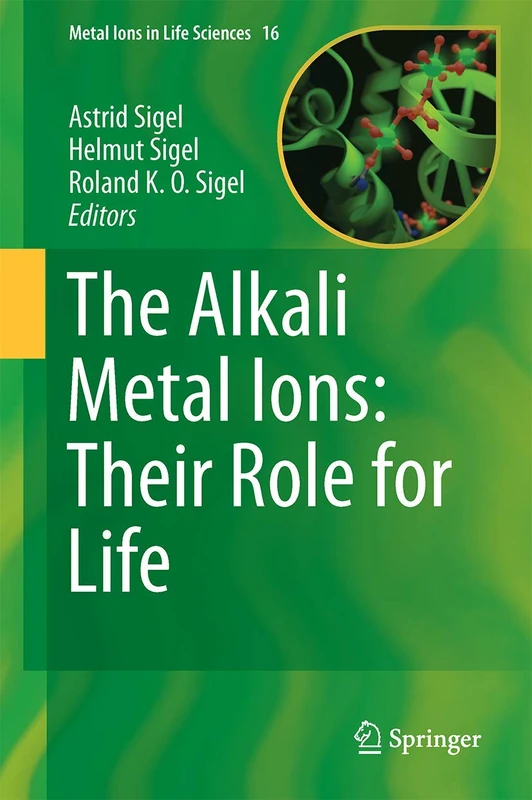
£137.41
Springer The Alkali Metal Ions: Their Role for Life: 16 (Metal Ions in Life Sciences, 16)
Price data last checked 94 day(s) ago - refreshing...
We'll watch every seller, every day. One email when your price arrives.
It has never been this cheap. We have no record of a lower price.
£137 today · cheaper than every other day in the last 24 months
NEW HERE?
Amazon shows you one price. We show you all of them.
Tosheroon watches Amazon prices so you don't have to. Every product on Amazon has a price history — we make it visible. Set the price you'd actually pay, and we'll email you the second it gets there. No app, no account, one email.
WHAT'S ON THIS PAGE
when this has been cheap or pricey
where the price is heading next
all-time high & low, recent range
name your number, we'll email you
Price History & Forecast
Grey patches = out of stock. Cheaper = lower on the chart. Hover for exact prices.
Last 637 days • 637 data points (No recent data available)
Price Distribution
Price distribution over 637 days • 6 price levels
Price Analysis
Most common price: £145 (272 days, 42.7%)
Price range: £137 - £147
Price levels: 6 different prices over 637 days
Description
Product Specifications
- Brand
- Springer
- Format
- hardcover
- ASIN
- 3319217550
- Domain
- Amazon UK
- Release Date
- 22 February 2016
- Listed Since
- 11 June 2015
Barcode
No barcode data available
Similar Products You Might Like
Interrelations between Essential Metal Ions and Human Diseases: 13 (Metal Ions in Life Sciences, 13)
Springer
Thallium in the Environment: v.29 (Advances in Environmental Science and Technology)
Wiley-Blackwell
Advances in Lithium Isotope Geochemistry
Springer
Photofunctional Layered Materials: 166 (Structure and Bonding, 166)
Springer
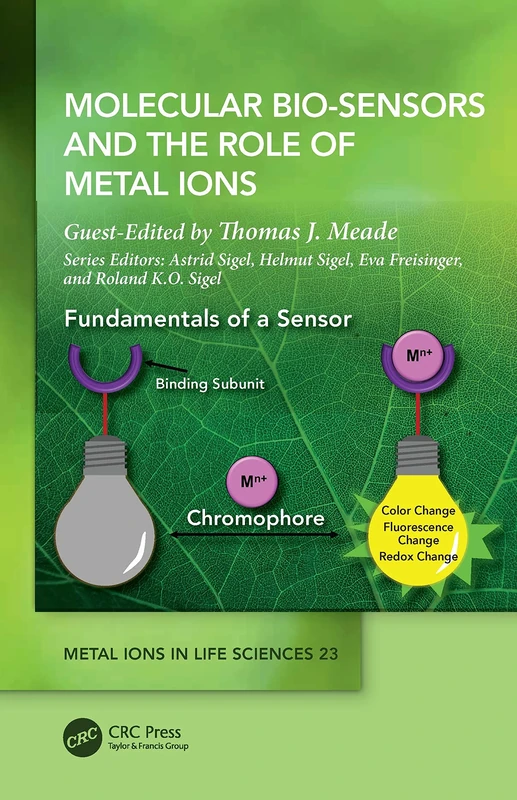
Molecular Bio-Sensors and the Role of Metal Ions: Metal Ions in Life Sciences (Metal Ions in Life Sciences Series)
Elsevier's Periodic Table of the Elements
Elsevier
Bond Valences: 158 (Structure and Bonding, 158)
Springer
Bond Valences: 158 (Structure and Bonding, 158)
Springer

Computational Studies in Organometallic Chemistry: 167 (Structure and Bonding)
Springer
Systematics and the Properties of the Lanthanides: Proceedings of the NATO Advanced Study Institute Held at Braunlage, Germany, July 11-25, 1982: 109 (Nato Science Series C:, 109)
Springer
Physical Chemistry of Polyelectrolyte Solutions, Volume 158: 331 (Advances in Chemical Physics)
Wiley
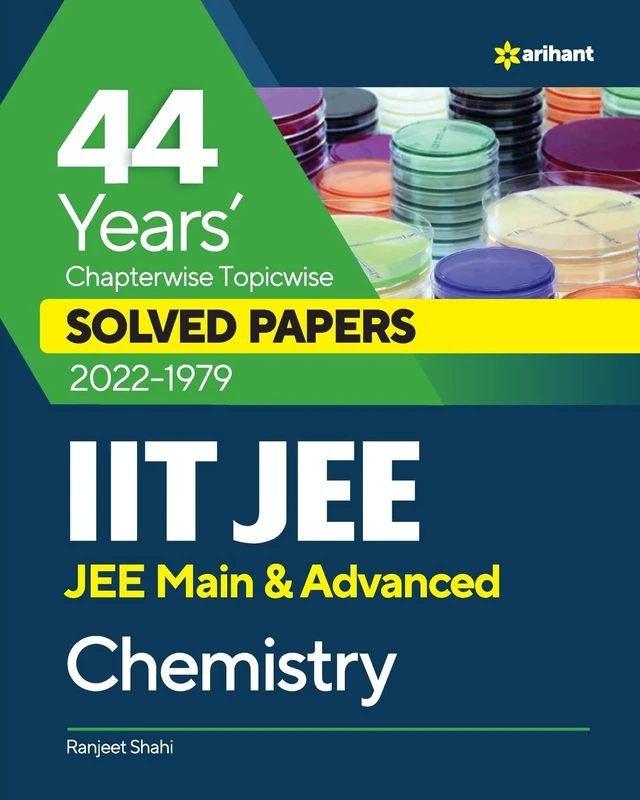
44 Years Chapterwise Topicwise Solved Papers (2022-1979) Iit Jee Chemistry
Arihant Publication India Limited
General Chemistry, Volume 1: Understanding Moles, Bonds, and Equilibria
Cognella Academic Publishing
Electroanalytical Chemistry: A Series of Advances: Volume 23
CRC Press
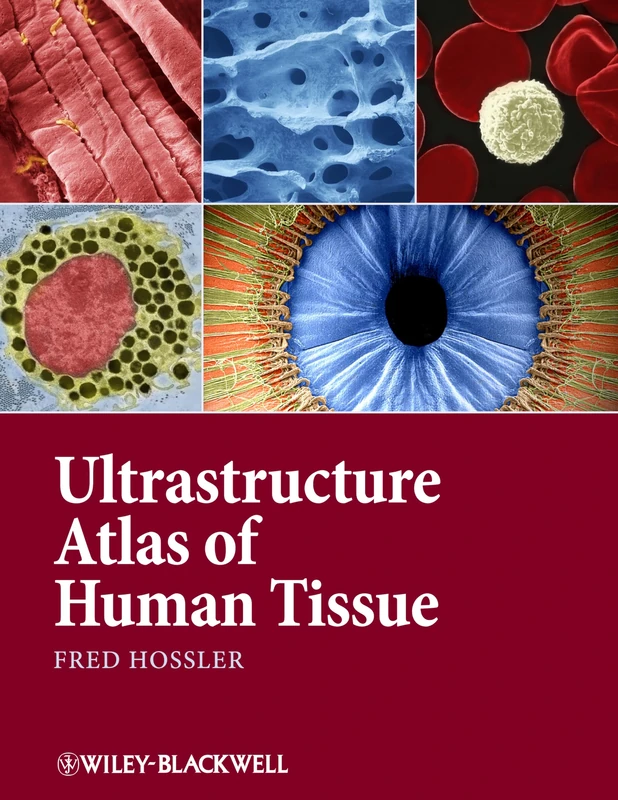
Ultrastructure Atlas of Human Tissues
Wiley
Book Handbook Chemistry
Arihant Publication India Limited
The Chemical Bond I: 100 Years Old and Getting Stronger: 169 (Structure and Bonding, 169)
Springer
Springer - Actinide Speciation in High Ionic Strength Media
Springer
Iridium Catalysts for Organic Reactions: 69 (Topics in Organometallic Chemistry, 69)
Springer

Springer - Recent Advances in Complex Functional Materials
Springer
Chemistry: The Molecular Science, International Edition
Brooks/Cole
Wiley-Blackwell Sodium-Calcium Exchange Annals Vol 1099
Wiley-Blackwell
Americium and Curium Chemistry and Technology: Papers from a Symposium given at the 1984 International Chemical Congress of Pacific Basin Societies, ... 1984: 1 (Topics in F-Element Chemistry, 1)
Springer