We can't find the internet
Attempting to reconnect
Something went wrong
Hang in there while we get back on track
£88.60
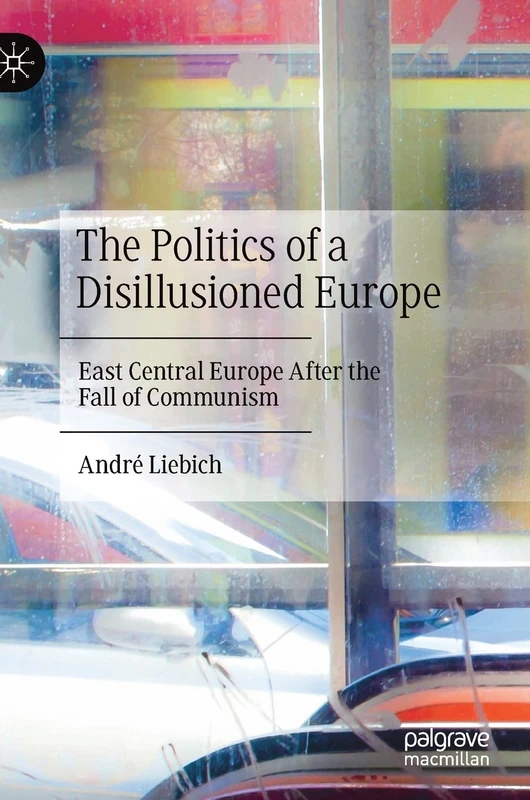
MACMILLAN The Politics of a Disillusioned Europe: East Central Europe After the Fall of Communism
Price data last checked 41 day(s) ago - refreshing...
We'll watch every seller, every day. One email when your price arrives.
It has never been this cheap. We have no record of a lower price.
£89 today · cheaper than every other day in the last 3 months
NEW HERE?
Amazon shows you one price. We show you all of them.
Tosheroon watches Amazon prices so you don't have to. Every product on Amazon has a price history — we make it visible. Set the price you'd actually pay, and we'll email you the second it gets there. No app, no account, one email.
WHAT'S ON THIS PAGE
when this has been cheap or pricey
where the price is heading next
all-time high & low, recent range
name your number, we'll email you
Price History & Forecast
Grey patches = out of stock. Cheaper = lower on the chart. Hover for exact prices.
Last 50 days · 50 data points (no recent data)
Price Distribution
Price distribution over 50 days • 2 price levels
Price Analysis
Most common price: £90 (32 days, 64.0%)
Price range: £89 - £90
Price levels: 2 different prices over 50 days
Description
Product Specifications
- Brand
- MACMILLAN
- Format
- hardcover
- ASIN
- 3030839923
- Category
- Books > Subjects > History
- Domain
- Amazon UK
- Release Date
- 17 November 2021
- Listed Since
- 06 July 2021
Barcode
No barcode data available
Similar Products You Might Like
East-Central Europe after the Cold War: Poland, the Czech Republic, Slovakia and Hungary in Search of Security
MACMILLAN
30 Years since the Fall of the Berlin Wall: Turns and Twists in Economies, Politics, and Societies in the Post-Communist Countries (Palgrave Studies in Economic History)
MACMILLAN
Rethinking 'Democratic Backsliding' in Central and Eastern Europe
Routledge
The European Parliament Election of 2019 in East-Central Europe: Second-Order Euroscepticism
MACMILLAN
PARTY FORMATION IN EAST–CENTRAL EUROPE: Post-Communist Politics in Czechoslovakia, Hungary, Poland and Bulgaria (Studies of Communism in Transition series)
Edward Elgar Publishing
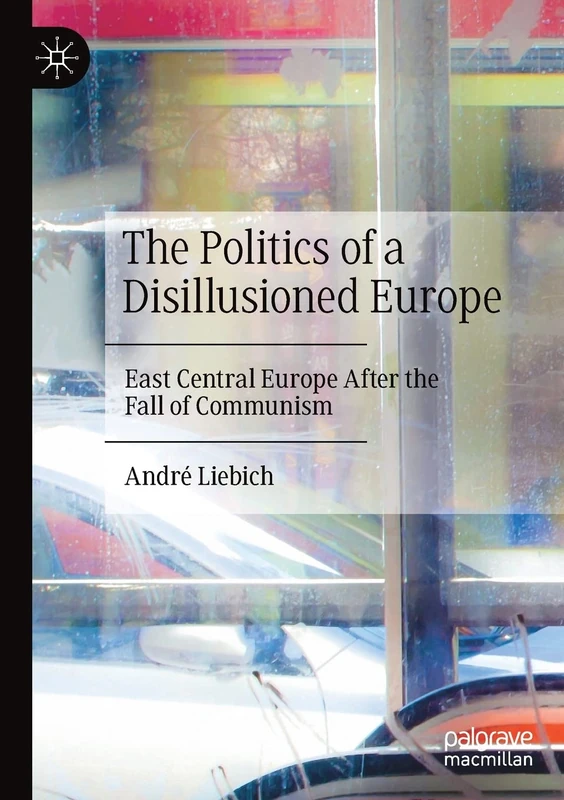
The Politics of a Disillusioned Europe: East Central Europe After the Fall of Communism
MACMILLAN
A Quarter Century of Post-Communism Assessed
Springer
Post-Communist Romania at Twenty-Five: Linking Past, Present, and Future
Lexington Books
Central Europe Revisited: Why Europe’s Future Will Be Decided in the Region (Routledge Histories of Central and Eastern Europe)
Routledge
Thirty Years of Political Campaigning in Central and Eastern Europe (Political Campaigning and Communication)
MACMILLAN
Gender, Institutions and Political Representation: Reproducing Male Dominance in Europe’s New Democracies (Gender and Politics)
MACMILLAN
Politics and Security of Central and Eastern Europe: Contemporary Challenges (Contributions to Political Science)
Springer
Europe Since 1980 (The World Since 1980)
Cambridge University Press
Patterns of Migration in Central Europe
MACMILLAN
History, Memory and Politics in Central and Eastern Europe: Memory Games
MACMILLAN
Politics and Policies in Post-Communist Transition: Primary and Secondary Privatisation in Central Europe and the Former Soviet Union
Central European University Press
Does EU Membership Facilitate Convergence? The Experience of the EU's Eastern Enlargement - Volume I: Overall Trends and Country Experiences: 1 (Studies in Economic Transition)
MACMILLAN
The Post-Communist Era: Change and Continuity in Eastern Europe
MACMILLAN
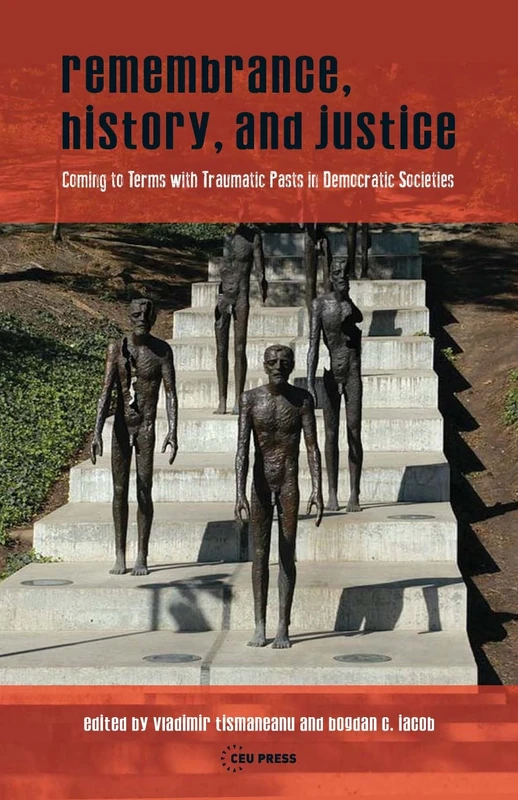
Remembrance, History, and Justice: Coming to terms with traumatic pasts in democratic societies
Central European University Press
Defining ‘Eastern Europe’: A Semantic Inquiry into Political Terminology
MACMILLAN
India and Central Europe: Perceptions, Perspectives, Prospects
MACMILLAN
The Foreign Policies of Post-Yugoslav States: From Yugoslavia to Europe (New Perspectives on South-East Europe)
MACMILLAN

The Political Economy of Middle Class Politics and the Global Crisis in Eastern Europe: The case of Hungary and Romania (International Political Economy Series)
MACMILLAN
Exploring Organized Interests in Post-Communist Policy-Making: The "Missing Link" (Routledge Research in Comparative Politics)
Routledge