We can't find the internet
Attempting to reconnect
Something went wrong
Hang in there while we get back on track
£107.40
This is the most expensive it has ever been. Walk away.
£107 today · previous high £107 · all-time low £107
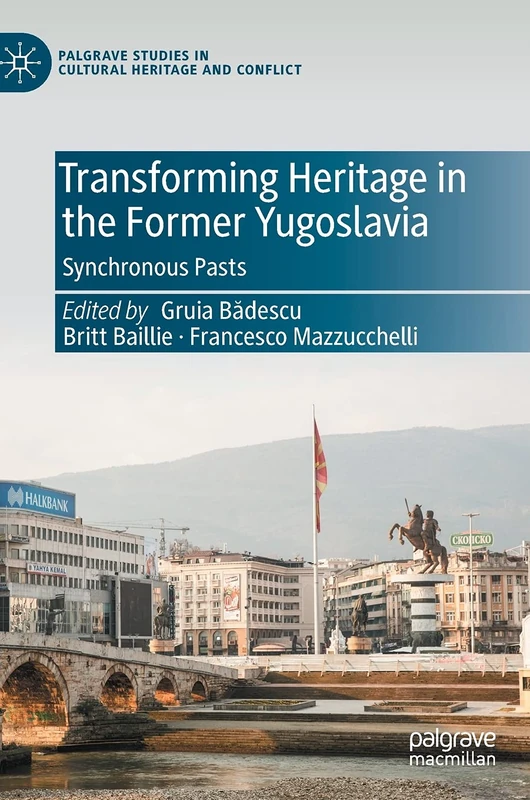
MACMILLAN Transforming Heritage in the Former Yugoslavia: Synchronous Pasts (Palgrave Studies in Cultural Heritage and Conflict)
We'll watch every seller, every day. One email when your price arrives.
Price History & Forecast
Grey patches = out of stock. Cheaper = lower on the chart. Hover for exact prices.
Last 17 days · 17 data points (no recent data)
NEW HERE?
Amazon shows you one price. We show you all of them.
Tosheroon watches Amazon prices so you don't have to. Every product on Amazon has a price history — we make it visible. Set the price you'd actually pay, and we'll email you the second it gets there. No app, no account, one email.
WHAT'S ON THIS PAGE
when this has been cheap or pricey
where the price is heading next
all-time high & low, recent range
name your number, we'll email you
Price Distribution
Price distribution over 17 days • 1 price levels
Price Analysis
Most common price: £107 (17 days, 100.0%)
Price range: £107 - £107
Price levels: 1 different prices over 17 days
Description
Product Specifications
- Brand
- MACMILLAN
- Format
- hardcover
- ASIN
- 3030764001
- Domain
- Amazon UK
- Release Date
- 13 August 2021
- Listed Since
- 15 August 2020
Barcode
No barcode data available
Similar Products You Might Like
New Perspectives on Yugoslavia: Key Issues and Controversies
Routledge
Theatre in the Context of the Yugoslav Wars
MACMILLAN
The Foreign Policies of Post-Yugoslav States: From Yugoslavia to Europe (New Perspectives on South-East Europe)
MACMILLAN
Memorials in the Aftermath of Armed Conflict: From History to Heritage (Palgrave Studies in Cultural Heritage and Conflict)
MACMILLAN
European Theories in Former Yugoslavia: Trans-theory Relations between Global and Local Discourses
Cambridge Scholars Publishing
Intersectionality and LGBT Activist Politics: Multiple Others in Croatia and Serbia
MACMILLAN
Shaping Social Identities After Violent Conflict: Youth in the Western Balkans
Springer
Serbian Paramilitaries and the Breakup of Yugoslavia: State Connections and Patterns of Violence (Contemporary Security Studies)
Routledge
Transcultural Europe: Cultural Policy in a Changing Europe
MACMILLAN
Language Planning and National Identity in Croatia (Palgrave Studies in Minority Languages and Communities)
MACMILLAN
Transitional Justice and Civil Society in the Balkans (Springer Series in Transitional Justice)
Springer
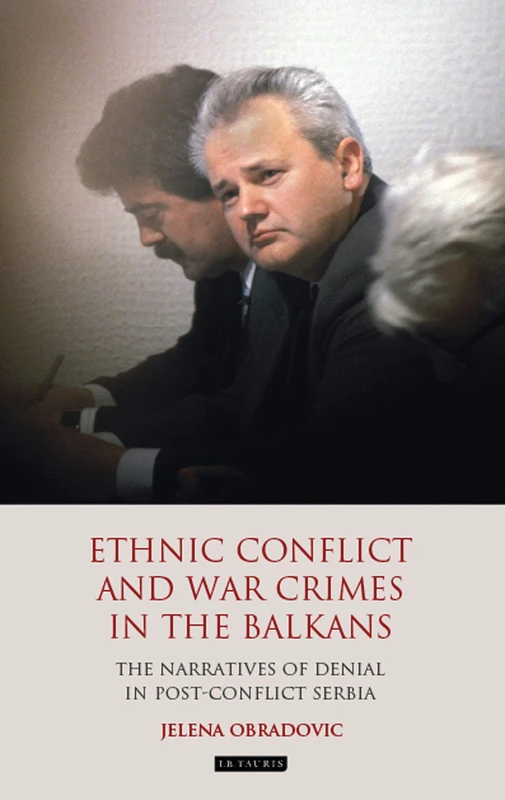
Ethnic Conflict and War Crimes in the Balkans: The Narratives of Denial in Post-Conflict Serbia (Library of Balkan Studies)
Bloomsbury
NATO and the Western Balkans: From Neutral Spectator to Proactive Peacemaker
MACMILLAN
Memory and Securitization in Contemporary Europe
MACMILLAN
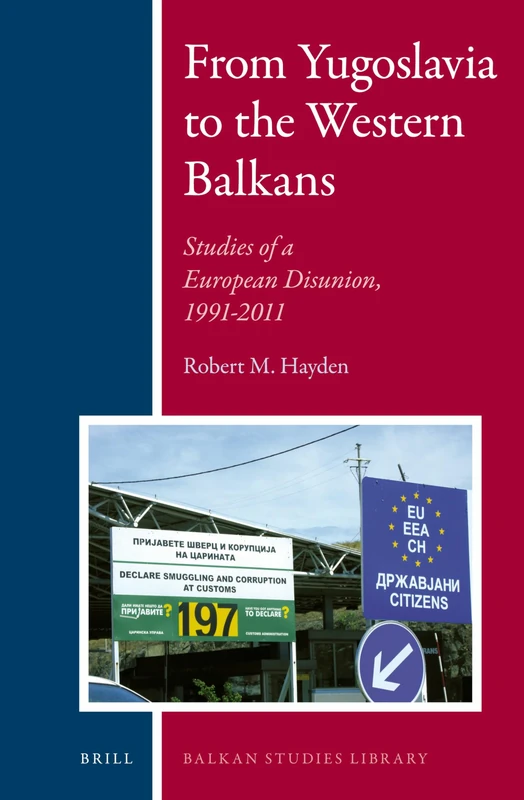
From Yugoslavia to the Western Balkans: Studies of a European Disunion, 1991-2011: 7 (Balkan Studies Library, 7)
Brill
Yugoslavia: A History of its Demise
Routledge
Politics of Identity in Post-Conflict States: The Bosnian and Irish experience (Routledge Advances in European Politics)
Routledge
Fiscal Decentralisation, Local Government and Policy Reversals in Southeastern Europe
MACMILLAN
Cultural Heritage in Modern Conflict: Past, Propaganda, Parade (Routledge Advances in Defence Studies)
Routledge
Ideology, Legitimacy and the New State: Yugoslavia, Serbia and Croatia: 4 (Routledge Studies in Nationalism and Ethnicity)
Routledge
The Border Dispute Between Croatia and Slovenia: The Stages of a Protracted Conflict and Its Implications for EU Enlargement (Contributions to Political Science)
Springer
Temporalities of Post-Yugoslav Literature: The Politics of Time
Bloomsbury
Post-Conflict Hauntings: Transforming Memories of Historical Trauma (Palgrave Studies in Compromise after Conflict)
MACMILLAN
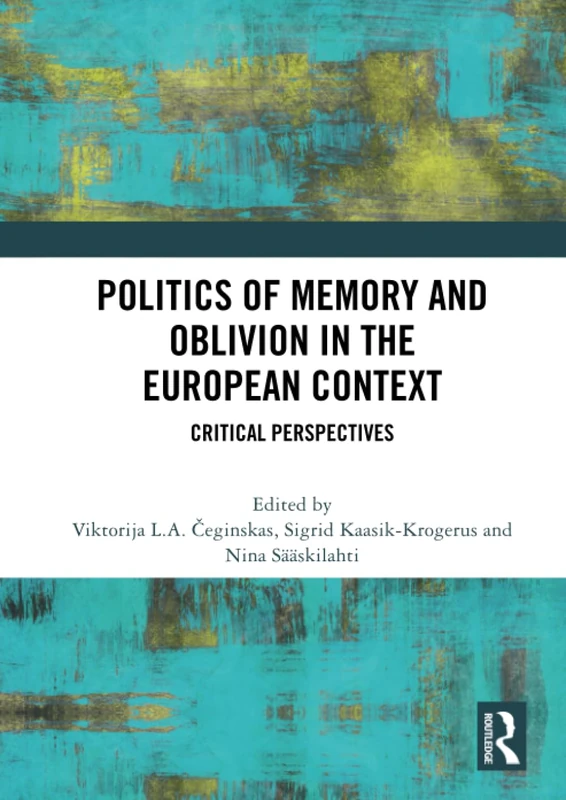
Politics of Memory and Oblivion in the European Context: Critical Perspectives
Routledge