£72.16

About as cheap as it gets — within 5% of the all-time low it hit 2 months ago.

£72 today · all-time low £71 (Aug 2026) · usually the usual

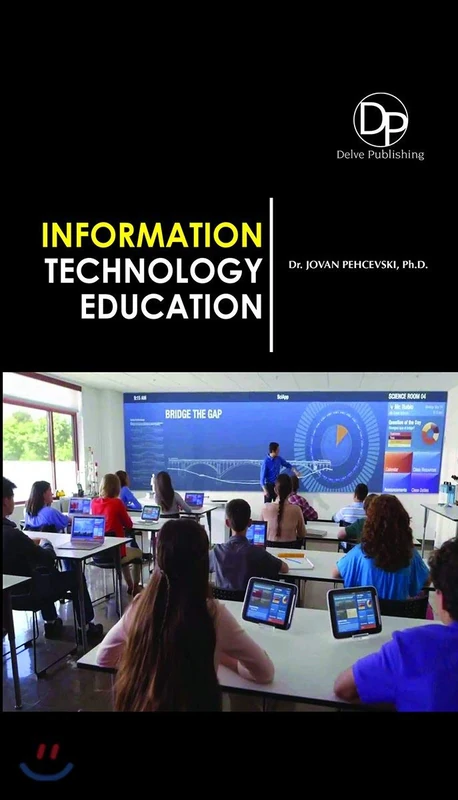
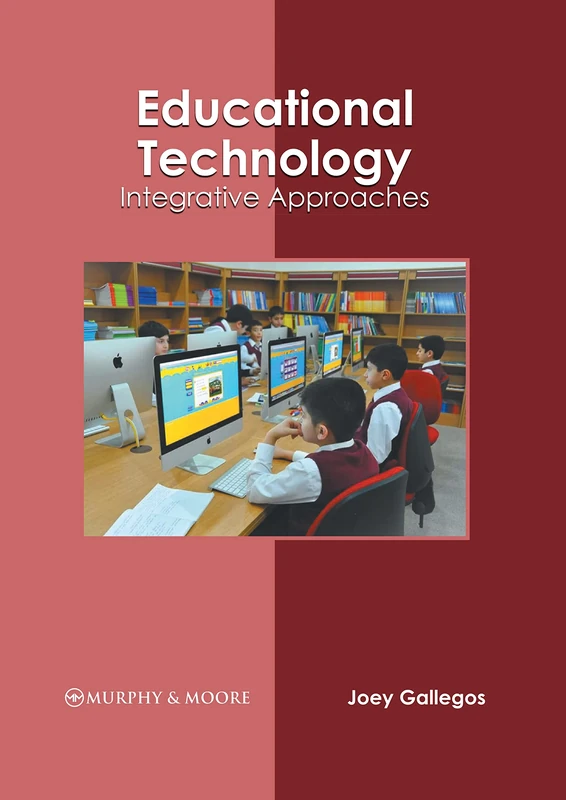
Information Technology Education

View at Amazon

Price History & Forecast

Grey patches = out of stock. Cheaper = lower on the chart. Hover for exact prices.

Last 56 days · 56 data points (no recent data)

Historical
Generating forecast…
£72.21 £70.77 £71.08 £71.40 £71.71 £72.03 £72.34 25 July 2026 07 August 2026 21 August 2026 04 September 2026 18 September 2026
View at Amazon ↗

Price data last checked 35 day(s) ago - refreshing...

NEW HERE?

Amazon shows you one price. We show you all of them.

Tosheroon watches Amazon prices so you don't have to. Every product on Amazon has a price history — we make it visible. Set the price you'd actually pay, and we'll email you the second it gets there. No app, no account, one email.

WHAT'S ON THIS PAGE

↑ Price chart
when this has been cheap or pricey
↑ Forecast
where the price is heading next
↓ Statistics
all-time high & low, recent range
↑ Price alert
name your number, we'll email you

Price Distribution

Price distribution over 56 days • 2 price levels

Days at Price
Current Price
13 days 43 days · current 0 11 22 32 43 £71 £72 Days at Price

Price Analysis

Most common price: £72 (43 days, 76.8%)

Price range: £71 - £72

Price levels: 2 different prices over 56 days

Description

With the development of information technology, societies around the globe are increasingly faced with the need for computer literacy, specifically with the broader concept of information literacy, which is the basis for society’s technological advancement. Computer literacy is defined as the ability to use computers and computer programs. Information literacy represents the need for information and having skills on how to find, evaluate and utilize the best and latest information that is available, in order to solve a specific problem or to adopt some decision. The sources of information may be found in books, magazines, computers, TV, or anything else. Nowadays, the internet has a special role as a source of information. Information literacy includes the ability to recognize the need for information, find the information, analyze and evaluate the information, use the information, and distribute it as appropriate. Basic computer knowledge and skills the IT students should possess continuously grow and improve because they follow the rapid development of the information and communication technology (ICT). Until a decade ago, this basic IT knowledge included the knowledge of computer configurations and the basic use of the operating system, main application programs for word processing, spreadsheets and creating presentations. Today, the basic skills and knowledge also include the internet and its services, especially e-mail communication and the use of the World Wide Web. In addition to the basic skills, IT students should also gain knowledge to publish online content using HTML, programming in different languages (Java, .NET etc.), front-end (CSS, scripting) and back-end web development (PHP, Ruby, Python etc.), database systems (SQL and NoSQL), as well as advanced web technologies (SOA, multi-tier systems, semantic web, etc.). This edition covers topics about IT learning with different tools, teaching aspects in the IT education, learning different topics in the IT, along with case studies from different world regions. Section 1 focuses on IT learning using different tools, describing ICT integrated learning using spreadsheets, teaching advanced programming concepts and techniques using the Zebra puzzle, using IMS LD specification for e-learning in the cloud computing, and using different models of engaging online students (such as MOOCs). Section 2 focuses on teaching aspects in the IT education, describing the pre-service teachers’ IT integration attitude and creative teaching behavior, interdisciplinary teaching in science-based technology school, faculty members’ ICT skills, pre-service teachers’ conclusive principles for teaching technology education, and instrument to search for competencies and abilities in IT. Section 3 focuses on learning different topics in the IT, describing creation of visualization teaching materials for data structures and algorithms, the hour of code or how to change students’ attitudes toward programming, an interactive software to teach foundational mathematical skills, learning by doing or how to develop a cross-platform web app, and experiences of using automated assessment in computer science courses. Section 4 focuses on case studies from different world regions, describing the ICT use in classrooms such as a South African case study, a review of usage, benefits and barriers of ICT education in Jordan, re-engineering university education as per the Nigerian experience, and various case studies concerning ICT-based inclusion into universities.

Product Specifications

Format
hardcover
Domain
Amazon UK
Release Date
30 November 2016
Listed Since
25 February 2017

Barcode

No barcode data available