£75.67

This is the most expensive it has ever been. Walk away.

£76 today · previous high £76 · all-time low £74

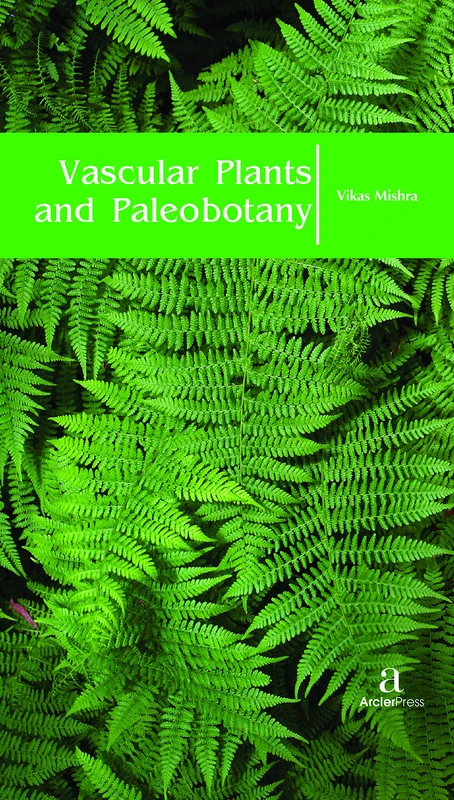
Vascular Plants and Paleobotany

Amazon

Price History & Forecast

Grey patches = out of stock. Cheaper = lower on the chart. Hover for exact prices.

Last 61 days · 61 data points (no recent data)

Historical
Generating forecast…
£75.67 £73.61 £74.06 £74.51 £74.96 £75.41 £75.86 26 July 2026 10 August 2026 25 August 2026 09 September 2026 24 September 2026
View at Amazon ↗

Price data last checked 30 day(s) ago - will refresh soon

NEW HERE?

Amazon shows you one price. We show you all of them.

Tosheroon watches Amazon prices so you don't have to. Every product on Amazon has a price history — we make it visible. Set the price you'd actually pay, and we'll email you the second it gets there. No app, no account, one email.

WHAT'S ON THIS PAGE

↑ Price chart
when this has been cheap or pricey
↑ Forecast
where the price is heading next
↓ Statistics
all-time high & low, recent range
↑ Price alert
name your number, we'll email you

Price Distribution

Price distribution over 61 days • 3 price levels

Days at Price
Current Price
13 days 44 days 4 days · current 0 11 22 33 44 £74 £75 £76 Days at Price

Price Analysis

Most common price: £75 (44 days, 72.1%)

Price range: £74 - £76

Price levels: 3 different prices over 61 days

Description

Paleobotany is a field of paleontology that studies plants throughout geologic history, and is primarily concerned with the fossil record and evolutionary history of plants. Vascular plants also known as tracheophytes and also higher plants, form a large group of plants that are defined as those land plants that have lignified tissues for conducting water and minerals throughout the plant. They also have a specialized non-lignified tissue to conduct products of photosynthesis. Vascular plants include the clubmosses, horsetails, ferns, gymnosperms and angiosperms. Paleontology is the science concerned with fossils, the physical evidence of prehistoric life―including plants, animals, and microorganisms―on the earth. Paleobotany is of importance primarily because the record of fossil plants helps scientists understand the long process of plant evolution. Paleobotany focuses on plant fossils, including algae, fungi, and related organisms, as well as mosses, ferns, and seed plants. As most organisms decompose rapidly after death, their preservation in nature is a rare event. Most individuals are not represented in the fossil record, and even many species that must have existed have vanished without a trace. Normally the plant dies and it soon starts generation. This generation continues till the entire body is broken into single chemical compound. Sometimes in certain circumstances degeneration of plant body stops and part of body remains in visible form. These remains are known as fossils. Plant fossils are present in rocks composed of sediments deposited in water. These stratified rocks are super imposed upon one another. These rocks are built of sediment that accumulate in bottom of seas lakes, swamps, flooded valleys. Rock formation is co related with geological approach in the subject paleobotany. In fact fossils are the makers of geologic tume.From an evolutionary point of view, plants have ensued from filamentous green algae dwelling in shallow waters, perhaps around 500 to 600 million years ago. In around 100 to 200 million years later, land plants seems to have diversified, leading to development of vascular plants, which eventually diversified into seed plants and flowering plants, forming the vast expanse of forests on the planet earth. This book is not a comprehensive text book discussing the evolutionary extant of all plants, neither it is a complete discussion on the topic of paleobotany. It is simple effort to compile the recent research findings on the modern understanding of paleobotany and fossil records of some vascular plants. A lot can be learned about an environment from the plants. Pollen is also often used as an index fossil, so paleobotany is important for dating purposes. Knowing how plants evolved can teach us how they will evolve in the future, and plants are extremely important ant to all aspects of life.

Product Specifications

Format
hardcover
Domain
Amazon UK
Release Date
30 November 2016
Listed Since
25 February 2017

Barcode

No barcode data available

Similar Products You Might Like