We can't find the internet
Attempting to reconnect
Something went wrong
Hang in there while we get back on track
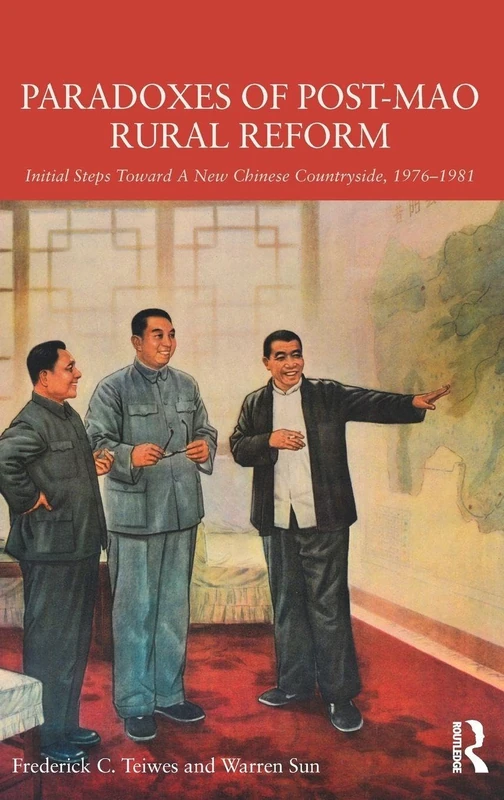
£165.98
This is the most expensive it has ever been. Walk away.
£166 today · previous high £166 · all-time low £160
Routledge Paradoxes of Post-Mao Rural Reform: Initial Steps toward a New Chinese Countryside, 1976-1981
We'll watch every seller, every day. One email when your price arrives.
Price History & Forecast
Grey patches = out of stock. Cheaper = lower on the chart. Hover for exact prices.
Last 73 days · 73 data points (no recent data)
NEW HERE?
Amazon shows you one price. We show you all of them.
Tosheroon watches Amazon prices so you don't have to. Every product on Amazon has a price history — we make it visible. Set the price you'd actually pay, and we'll email you the second it gets there. No app, no account, one email.
WHAT'S ON THIS PAGE
when this has been cheap or pricey
where the price is heading next
all-time high & low, recent range
name your number, we'll email you
Price Distribution
Price distribution over 73 days • 2 price levels
Price Analysis
Most common price: £166 (62 days, 84.9%)
Price range: £160 - £166
Price levels: 2 different prices over 73 days
Description
Product Specifications
- Brand
- Routledge
- Format
- hardcover
- ASIN
- 1138856584
- Domain
- Amazon UK
- Release Date
- 18 December 2015
- Listed Since
- 15 April 2015
Barcode
No barcode data available
Similar Products You Might Like
Rural Roots of Reform Before China's Conservative Change
Routledge
China's Rural Areas: Building a Moderately Prosperous Society (Routledge Studies on the Chinese Economy)
Routledge
Central Control and Local Discretion in China: Leadership and Implementation during Post-Mao Decollectivization (Studies on Contemporary China)
Oxford University Press
Socioeconomic and Environmental Impacts on Agriculture in the New Europe: Post-Communist Transition and Accession to the European Union: 12 (Routledge Studies in Ecological Economics)
Routledge
China's Agrarian Transition: Peasants, Property, and Politics (Challenges Facing Chinese Political Development)
Lexington Books
China’s Rural Development Road (Research Series on the Chinese Dream and China’s Development Path)
Springer

Family Farms: Survival and Prospect - World-Wide Analysis
Routledge
Routledge Indian Agriculture after the Green Revolution Book
Routledge

Europe's Green Ring - Rural Policy & Planning Perspectives
Routledge
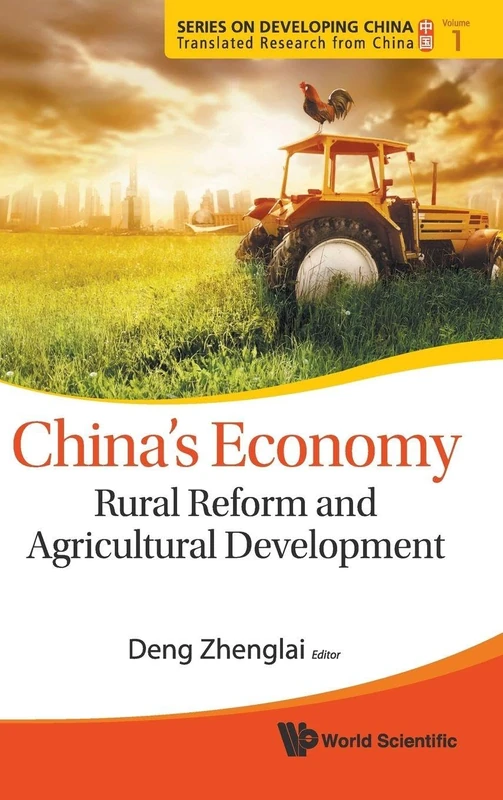
China's Economy: Rural Reform and Agricultural Development: 1 (SERIES ON DEVELOPING CHINA - TRANSLATED RESEARCH FROM CHINA)
World Scientific Publishing Company
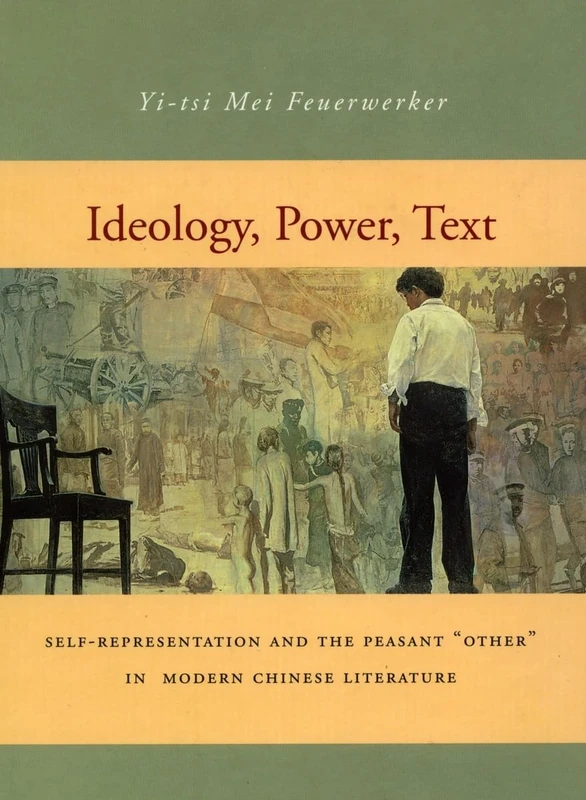
Ideology, Power, Text: Self-Representation and the Peasant ‘Other’ in Modern Chinese Literature
Stanford University Press
Reform and Development of Agriculture in China (Research Series on the Chinese Dream and China’s Development Path)
Springer
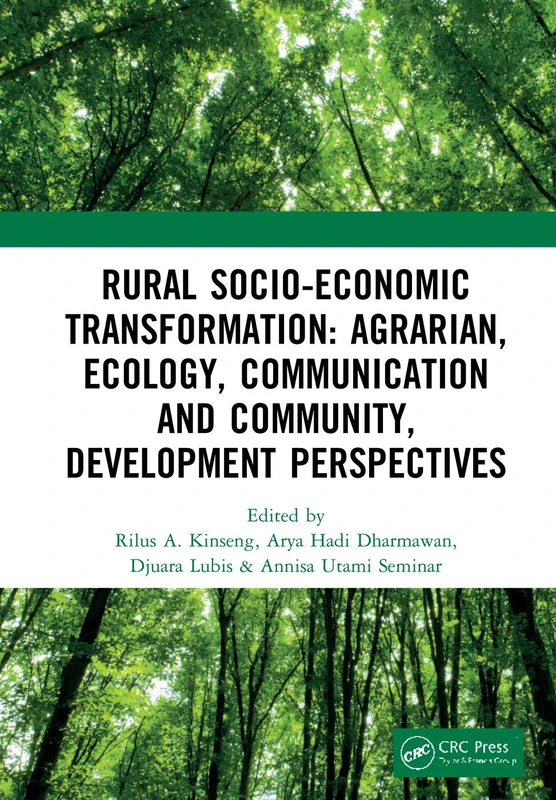
Rural Socio-Economic Transformation: Agrarian, Ecology, Communication and Community, Development Perspectives: Proceedings of the International ... 14-15, 2018, Bogor, West Java, Indonesia
CRC Press
Economics and Ecology of Tropical Tree Crop Diversification
Springer
Economics and Ecology of Tropical Tree Crop Diversification
Springer
Modernizing China: Post-Mao Reform and Development - Routledge
Routledge

University Engagement with Farming Communities in Africa: Community Action Research Platforms (Earthscan Food and Agriculture)
Routledge
Political Culture and Participation in Rural China: 22 (China Policy Series)
Routledge
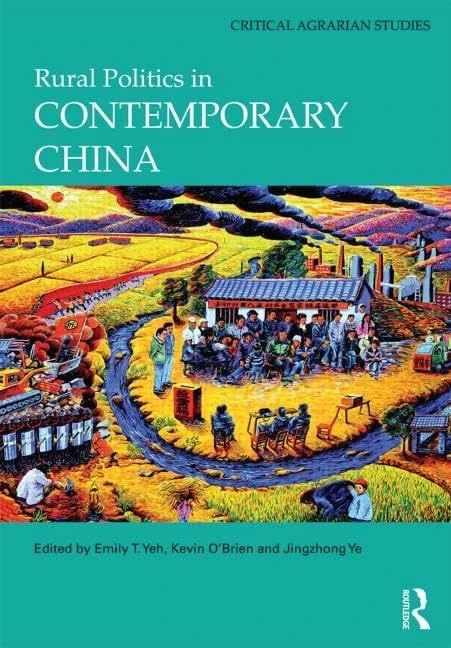
Rural Politics in Contemporary China - Critical Agrarian Studies
Routledge
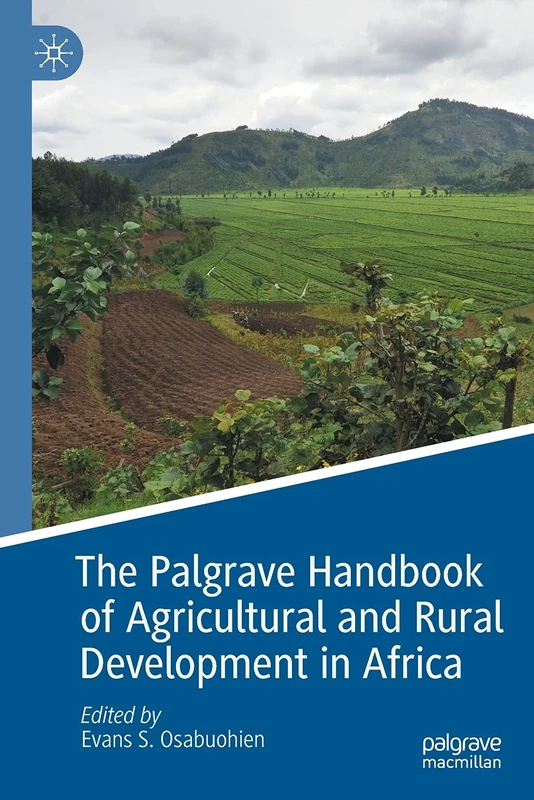
The Palgrave Handbook of Agricultural and Rural Development in Africa
MACMILLAN
Transformation and sustainability in agriculture: Connecting practice with social theory
Chinese Economists on Economic Reform – Collected Works of Chen Xiwen (Routledge Studies on the Chinese Economy)
Routledge
BRICS and MICs: Implications for Global Agrarian Transformation: 1 (Rethinking Globalizations)
Routledge
What's A Peasant To Do? Village Becoming Town in Southern China
Routledge