We can't find the internet
Attempting to reconnect
Something went wrong
Hang in there while we get back on track
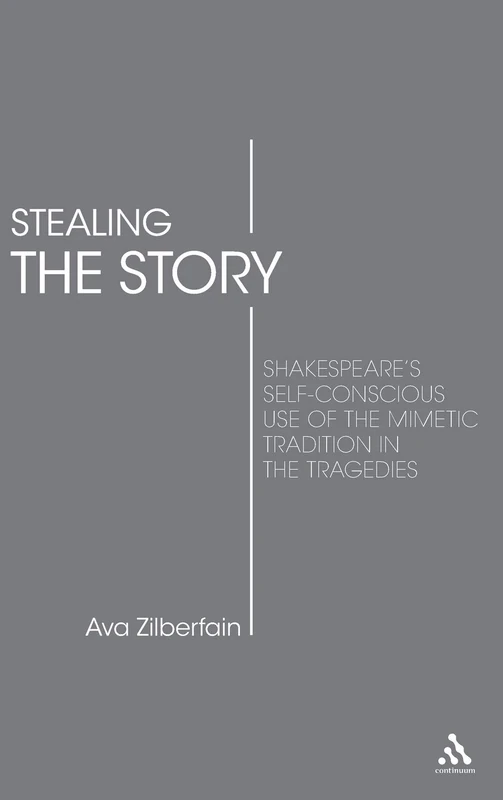
£16.00
It has never been this cheap. We have no record of a lower price.
£16 today · cheaper than every other day in the last 3 months
Bloomsbury Stealing the Story: Shakespeare's Self-Conscious Use of the Mimetic Tradition in the Tragedies
We'll watch every seller, every day. One email when your price arrives.
Price History & Forecast
Grey patches = out of stock. Cheaper = lower on the chart. Hover for exact prices.
Last 59 days · 59 data points (no recent data)
NEW HERE?
Amazon shows you one price. We show you all of them.
Tosheroon watches Amazon prices so you don't have to. Every product on Amazon has a price history — we make it visible. Set the price you'd actually pay, and we'll email you the second it gets there. No app, no account, one email.
WHAT'S ON THIS PAGE
when this has been cheap or pricey
where the price is heading next
all-time high & low, recent range
name your number, we'll email you
Price Distribution
Price distribution over 59 days • 1 price levels
Price Analysis
Most common price: £16 (59 days, 100.0%)
Price range: £16 - £16
Price levels: 1 different prices over 59 days
Description
Product Specifications
- Brand
- Bloomsbury
- Format
- hardcover
- ASIN
- 0826417361
- Domain
- Amazon UK
- Release Date
- 01 April 2007
- Listed Since
- 20 February 2007
Barcode
No barcode data available
Similar Products You Might Like

Shakespeare's Women and the Fin de Siècle (Oxford English Monographs)
Oxford University Press
Textual Shakespeare: Writing and the Word
Edward Everett Root

Radical Shakespeare: Politics and Stagecraft Early Career
Routledge
Shakespeare and the Translation of Identity in Early Modern England (Continuum Shakespeare Studies)
Bloomsbury

Shakespearean Genealogies of Power: A Whispering of Nothing in Hamlet, Richard II, Julius Caesar, Macbeth, The Merchant of Venice, and The Winter’s Tale (Discourses of Law)
Routledge
Shakespearean Celebrity in the Digital Age: Fan Cultures and Remediation (Palgrave Studies in Adaptation and Visual Culture)
MACMILLAN
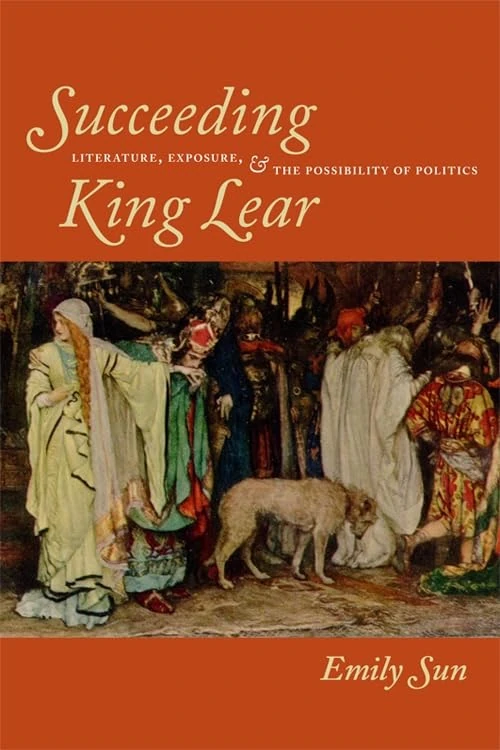
Succeeding King Lear: Literature, Exposure, and the Possibility of Politics
Fordham University Press
Stylistics and Shakespeare's Language: Transdisciplinary Approaches (Advances in Stylistics)
Bloomsbury

Shakespeare in Psychoanalysis (Accents on Shakespeare)
Routledge

This England, That Shakespeare: New Angles on Englishness and the Bard
Routledge

The Shakespearean Inside: A Study of the Complete Soliloquies and Solo Asides
Edinburgh University Press

Venus's Palace: Shakespeare and the Antitheatricalists
Routledge
Shakespeare, Authority, Sexuality: Unfinished Business in Cultural Materialism (Accents on Shakespeare)
Routledge
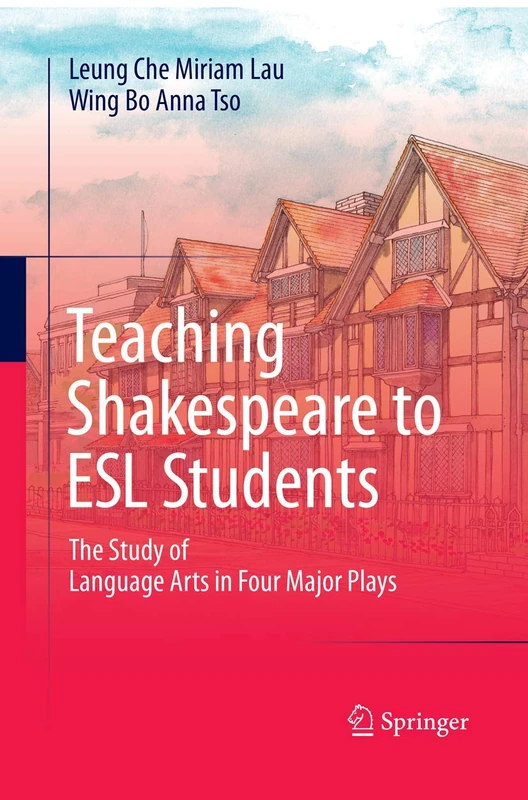
Teaching Shakespeare to ESL Students: The Study of Language Arts in Four Major Plays
Springer

Shakespeare and Civil Unrest in Britain and the United States (Routledge Studies in Shakespeare)
Routledge
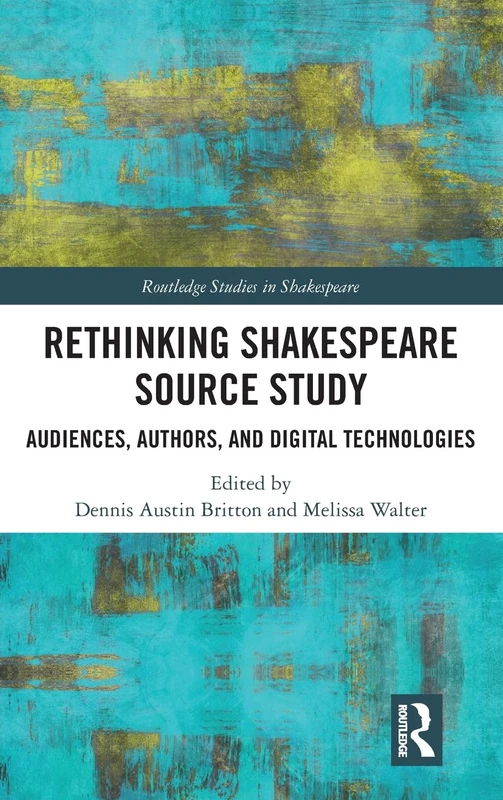
Rethinking Shakespeare Source Study - Routledge Scholarly Book
Routledge
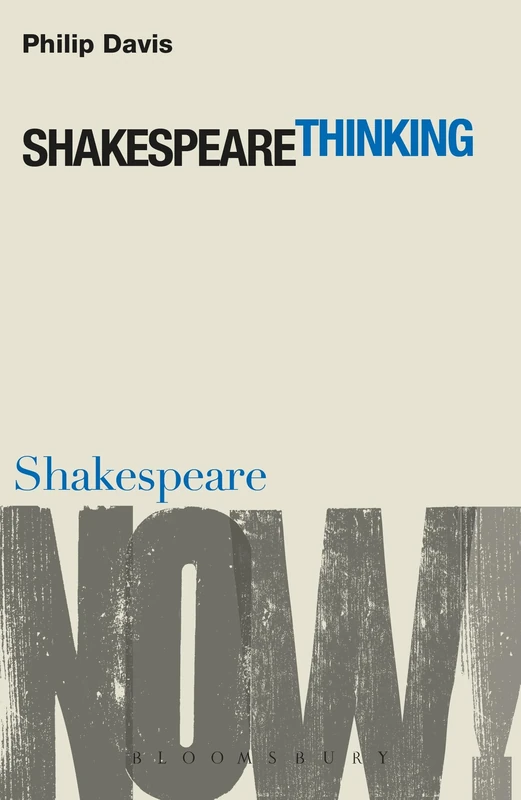
Shakespeare Thinking (Shakespeare Now!)
Bloomsbury
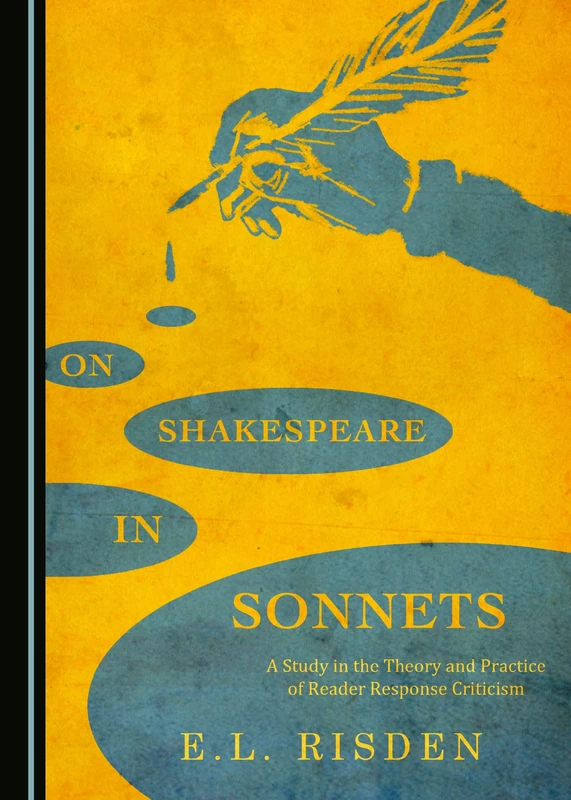
On Shakespeare in Sonnets: A Study in the Theory and Practice of Reader Response Criticism
Cambridge Scholars Publishing
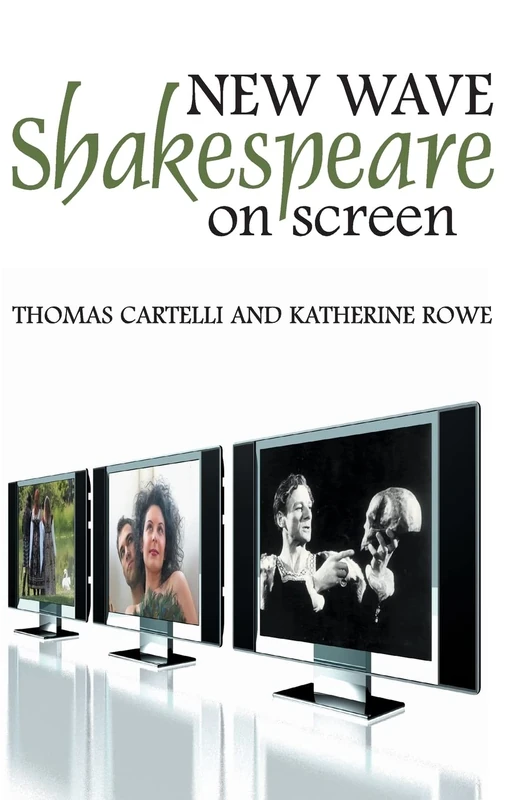
New Wave Shakespeare on Screen (Cultural Perception of Shakespeare)
Polity
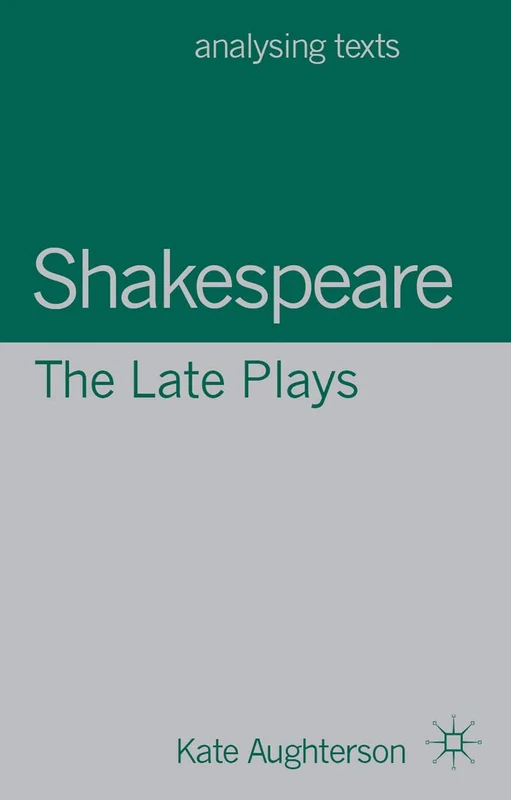
Shakespeare: The Late Plays: 27 (Analysing Texts)
Red Globe Press
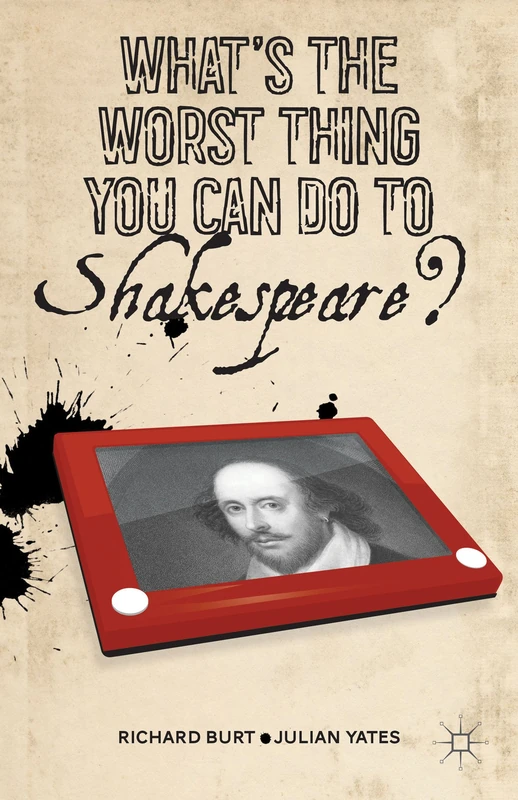
What’s the Worst Thing You Can Do to Shakespeare?
MACMILLAN
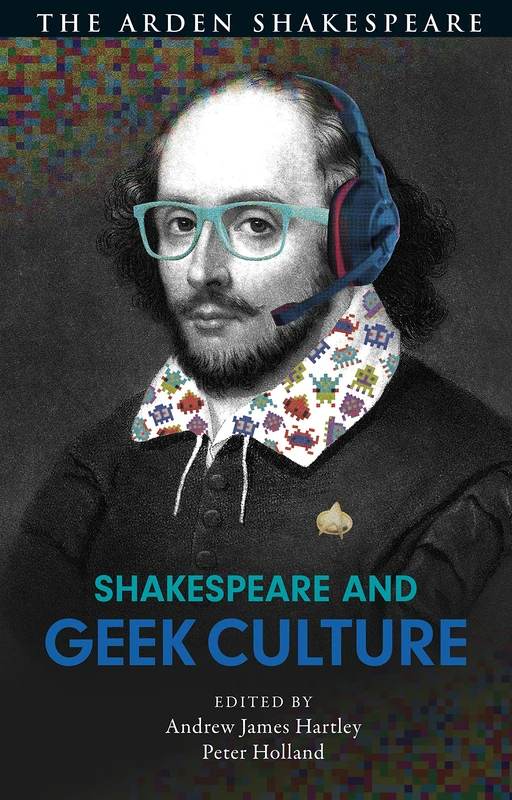
Shakespeare and Geek Culture
Bloomsbury
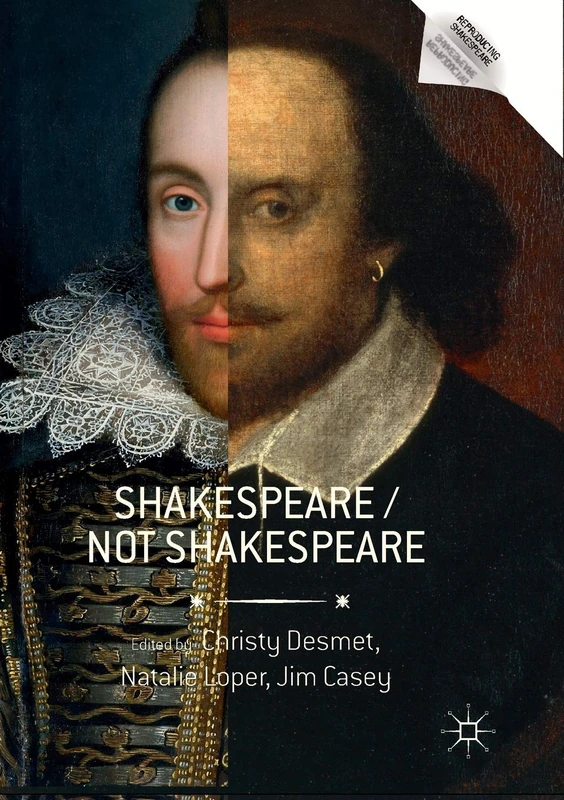
Shakespeare / Not Shakespeare (Reproducing Shakespeare)
MACMILLAN
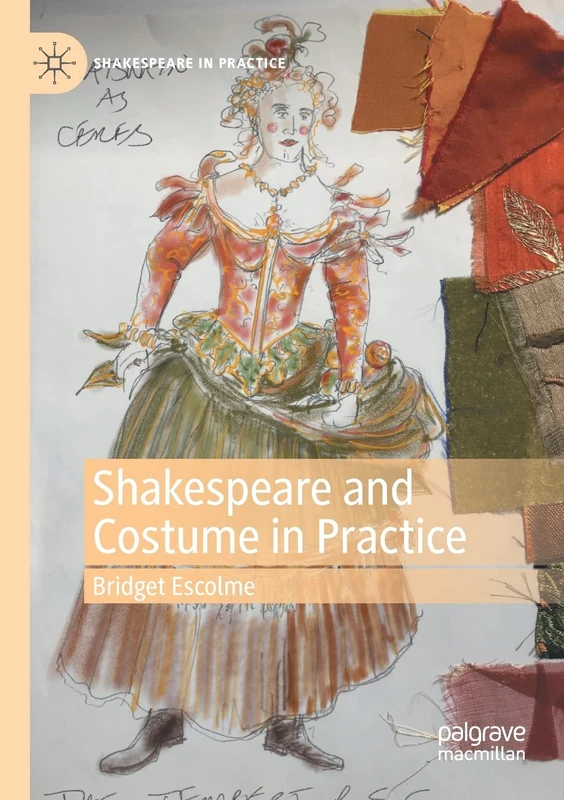
Shakespeare and Costume in Practice (Shakespeare in Practice)
MACMILLAN