We can't find the internet
Attempting to reconnect
Something went wrong
Hang in there while we get back on track
£151.26
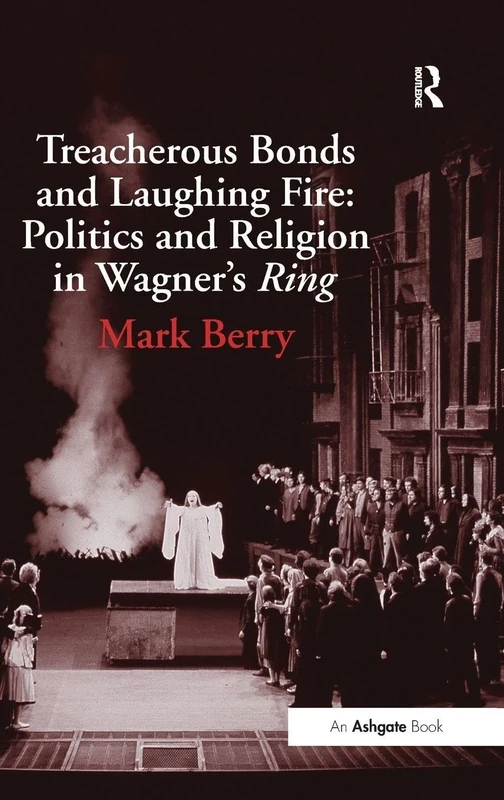
Routledge Treacherous Bonds and Laughing Fire: Politics and Religion in Wagner's Ring
Price data last checked 28 day(s) ago - will refresh soon
We'll watch every seller, every day. One email when your price arrives.
This is the most expensive it has ever been. Walk away.
£151 today · previous high £151 · all-time low £137
NEW HERE?
Amazon shows you one price. We show you all of them.
Tosheroon watches Amazon prices so you don't have to. Every product on Amazon has a price history — we make it visible. Set the price you'd actually pay, and we'll email you the second it gets there. No app, no account, one email.
WHAT'S ON THIS PAGE
when this has been cheap or pricey
where the price is heading next
all-time high & low, recent range
name your number, we'll email you
Price History & Forecast
Grey patches = out of stock. Cheaper = lower on the chart. Hover for exact prices.
Last 63 days · 63 data points (no recent data)
Price Distribution
Price distribution over 63 days • 3 price levels
Price Analysis
Most common price: £137 (31 days, 49.2%)
Price range: £137 - £151
Price levels: 3 different prices over 63 days
Description
Product Specifications
- Brand
- Routledge
- Format
- hardcover
- ASIN
- 0754653560
- Domain
- Amazon UK
- Release Date
- 28 December 2005
- Listed Since
- 14 February 2007
Barcode
No barcode data available
Similar Products You Might Like
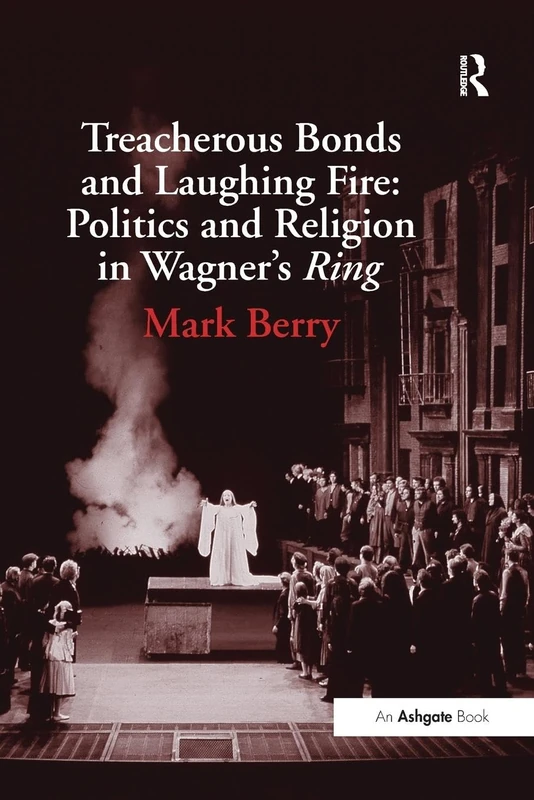
Treacherous Bonds and Laughing Fire: Politics and Religion in Wagner's Ring
Routledge
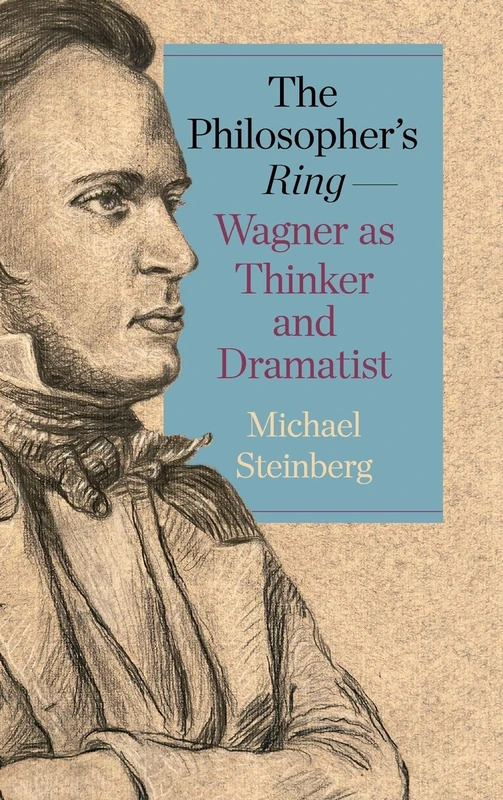
The Philosopher’s Ring―Wagner as Thinker and Dramatist: 260 (Studies in German Literature Linguistics and Culture)
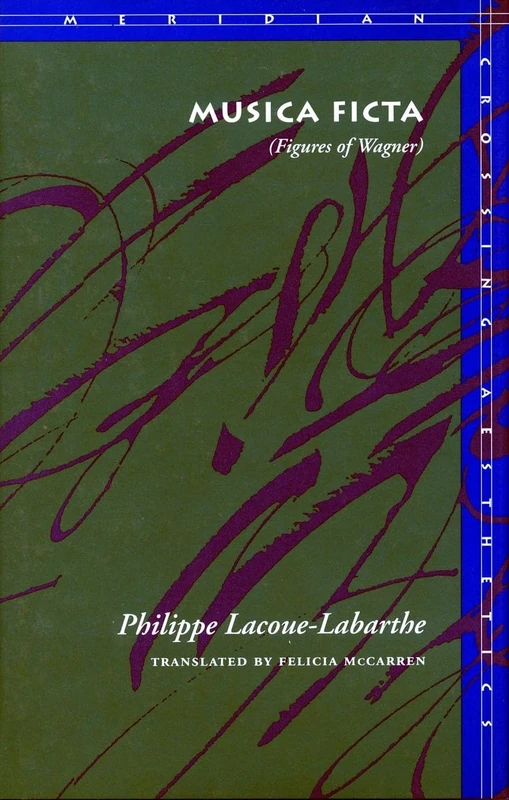
Musica Ficta: (Figures of Wagner) (Meridian: Crossing Aesthetics)
Stanford University Press

Wagner Androgyne (Princeton Legacy Library): 22 (Princeton Studies in Opera)
Princeton University Press

Drama and the World of Richard Wagner
Princeton University Press
Routledge - The Consolations of History: Wagner's Gotterdammerung
Routledge
Wagner: The Complete Experience: And Its Meaning to Us
Mythology as Metaphor: Romantic Irony, Critical Theory, and Wagner's URing: 46 (Contributions to the Study of Music and Dance)
Bloomsbury Academic
The Philosophies of Richard Wagner
Lexington Books
Eloquence Hans Knappertsbusch - The Opera Edition CD Collection
Eloquence
Richard Wagner in Paris: Translation, Identity, Modernity
Boydell Press
Transcending Subjects: Augustine, Hegel, and Theology (Challenges in Contemporary Theology)
Wiley

Wagners Ring and German Drama: Comparative Studies in Mythology and History in Drama: 52 (Contributions to the Study of Music and Dance)
Bloomsbury Academic
Wagner's Ring Cycle and the Greeks (Cambridge Studies in Opera)
Cambridge University Press

Minna Wagner: A Life, with Richard Wagner: 185 (Eastman Studies in Music)
University of Rochester Press
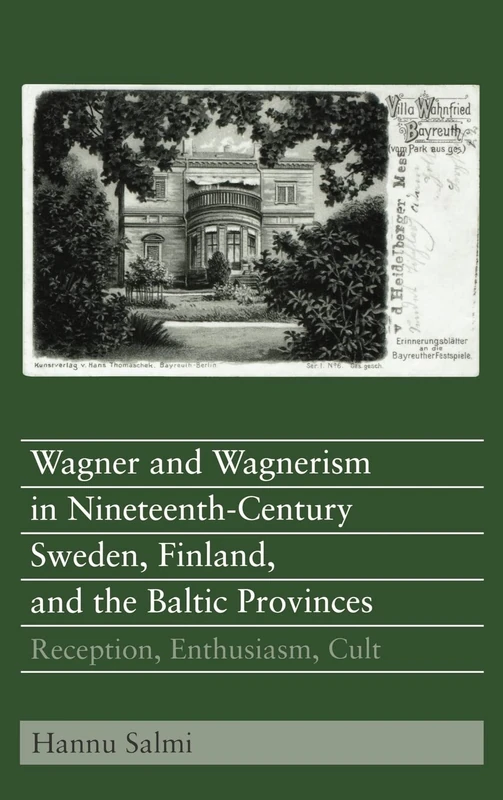
Wagner and Wagnerism in Nineteenth-Century Sweden, Finland, and the Baltic Provinces: Reception, Enthusiasm, Cult
University of Rochester Press

Disorders at the Borders: In Search of the Gesamtkunstwerk in the Paintings of Anselm Kiefer: 9 (German Visual Culture)
Peter Lang Gmbh, Internationaler Verlag Der Wissenschaften
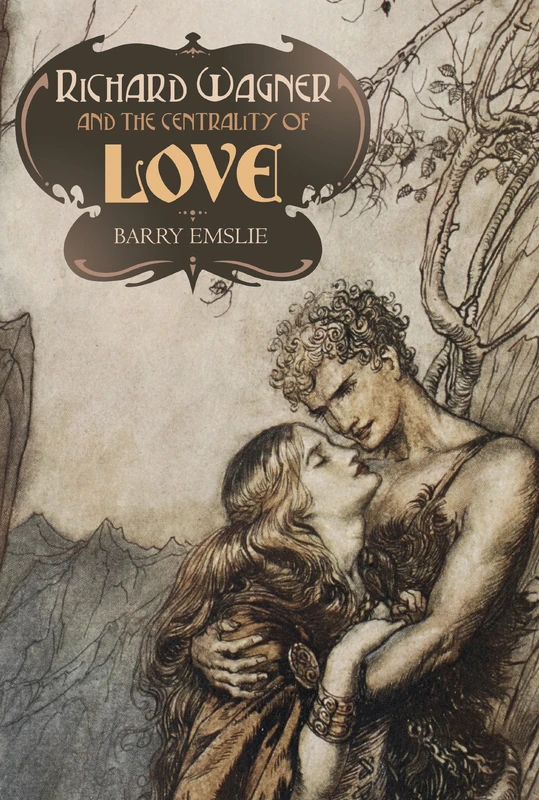
Richard Wagner and the Centrality of Love
Boydell Press
Price unavailable
Aesthetic Origins: Peter Viereck and the Imaginative Sources of Politics
Routledge
Wissende des Unbewussten: Romantische Anthropologie Und Ästhetik Im Werk Richard Wagners: 199 (Studien Zur Deutschen Literatur)
De Gruyter
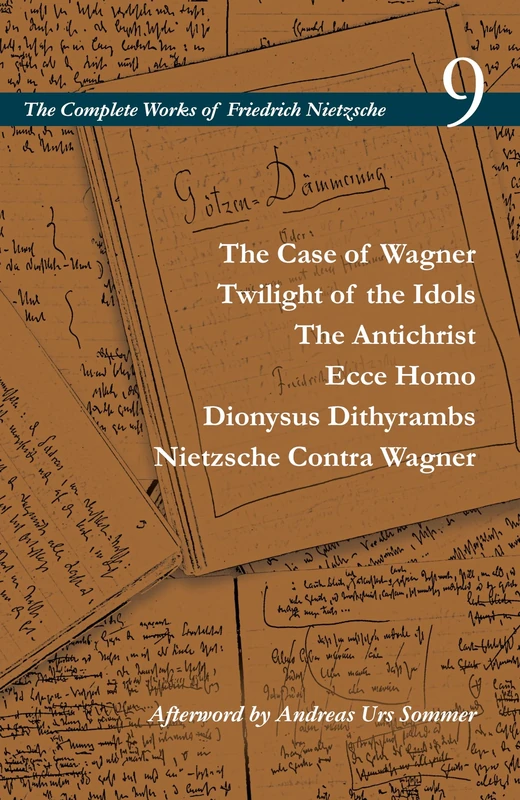
The Case of Wagner / Twilight of the Idols / The Antichrist / Ecce Homo / Dionysus Dithyrambs / Nietzsche Contra Wagner: Volume 9 (The Complete Works of Friedrich Nietzsche)
Stanford University Press
Dans la tête de Richard Wagner: Archéologie d'un génie (Musique)
FAYARD
Sudden Death in Opera: Love, Mortality and Transcendence on the Lyric Stage
Cambridge Scholars Publishing
Wagner Beyond Good and Evil
University of California Press