£78.46

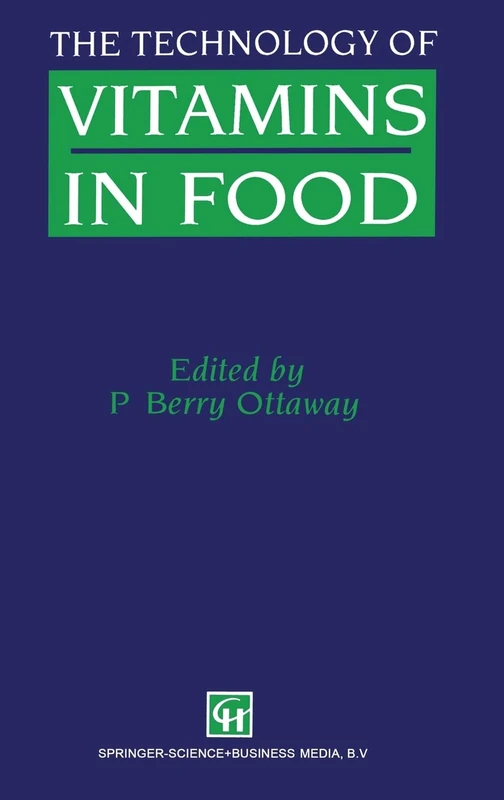
Springer The Technology of Vitamins in Food

Price data last checked 107 day(s) ago - refreshing...

View at Amazon

We'll watch every seller, every day. One email when your price arrives.

This is the most expensive it has ever been. Walk away.

£78 today · previous high £78 · all-time low £74

NEW HERE?

Amazon shows you one price. We show you all of them.

Tosheroon watches Amazon prices so you don't have to. Every product on Amazon has a price history — we make it visible. Set the price you'd actually pay, and we'll email you the second it gets there. No app, no account, one email.

WHAT'S ON THIS PAGE

↓ Price chart
when this has been cheap or pricey
↓ Forecast
where the price is heading next
↓ Statistics
all-time high & low, recent range
↑ Price alert
name your number, we'll email you

Price History & Forecast

Grey patches = out of stock. Cheaper = lower on the chart. Hover for exact prices.

Last 571 days • 571 data points (No recent data available)

Historical
Generating forecast...
£78.46 £73.93 £74.92 £75.91 £76.89 £77.88 £78.87 01 August 2024 21 December 2024 13 May 2025 02 October 2025 22 February 2026

Price Distribution

Price distribution over 571 days • 2 price levels

Days at Price
Current Price
533 days 38 days · current 0 133 267 400 533 £74 £78 Days at Price

Price Analysis

Most common price: £74 (533 days, 93.3%)

Price range: £74 - £78

Price levels: 2 different prices over 571 days

Description

1 Biological functions of vitamins.- 1.1 Introduction.- 1.2 Retinol (vitamin A) and the provitamin carotenoids.- 1.3 Vitamin D.- 1.4 Vitamin E (tocopherol).- 1.5 Vitamin K.- 1.6 Thiamin.- 1.7 Riboflavin.- 1.8 Pyridoxin.- 1.9 Niacin.- 1.10 Vitamin B12.- 1.11 Folates.- 1.12 Pantothenic acid.- 1.13 Biotin.- 1.14 Taurine and choline.- 1.15 Carnitine.- 1.16 Ascorbic acid.- 1.17 Other organic trace constituents of food.- 1.18 Vitamins and 'free radical' damage.- Further reading.- 2 Natural occurrence of vitamins in food.- 2.1 Fat soluble vitamins and carotenoids.- 2.1.1 Vitamin A and the carotenoids.- 2.1.2 Determination of vitamin A in foods.- 2.1.3 Natural sources of retinoids and carotenoids.- 2.1.4 Vitamin D.- 2.1.5 Vitamin E.- 2.1.6 Vitamin K.- 2.2 Water soluble vitamins.- 2.2.1 Thiamin.- 2.2.2 Riboflavin.- 2.2.3 Niacin.- 2.2.4 Vitamin B6.- 2.2.5 Vitamin B12.- 2.2.6 Pantothenic acid.- 2.2.7 Biotin.- 2.2.8 Folic acid.- 2.2.9 Vitamin C.- References.- 3 Nutritional aspects of vitamins.- 3.1 Vitamin deficiency diseases.- 3.1.1 Introduction.- 3.1.2 Fat soluble vitamins.- 3.1.3 Water soluble vitamins: the vitamin B-complex.- 3.1.4 Water soluble vitamins: vitamin C.- 3.2 Recommended daily allowances.- 3.2.1 Introduction.- 3.2.2 International concepts of the function of RDAs/RDIs.- 3.3 Safety.- 3.3.1 Introduction.- 3.3.2 Issues.- 3.3.3 Attitudes.- 3.3.4 Need.- 3.3.5 Adventitious acquisition.- 3.3.6 Safety and RDAs (DRVs).- 3.3.7 Need and consumption.- 3.3.8 Possible guidelines for safety.- References.- 4 Industrial production.- 4.1 Introduction.- 4.1.1 History.- 4.1.2 Current situation.- 4.1.3 Future production.- 4.2 Vitamin production.- 4.2.1 Vitamin A.- 4.2.2 Provitamin A: ß-carotene.- 4.2.3 Vitamin B1: thiamine.- 4.2.4 Vitamin B2: riboflavin.- 4.2.5 Niacin.- 4.2.6 Pantothenic acid.- 4.2.7 Vitamin B6: pyridoxine.- 4.2.8 Folic acid.- 4.2.9 Vitamin B12.- 4.2.10 Vitamin C.- 4.2.11 Vitamin D.- 4.2.12 Vitamin E: ?-tocopherols.- 4.2.13 Vitamin F group.- 4.2.14 Biotin (vitamin H).- 4.2.15 Vitamin K.- References.- 5 Stability of vitamins in food.- 5.1 Introduction.- 5.2 Fat soluble vitamins.- 5.2.1 Vitamin A.- 5.2.2 Vitamin E.- 5.2.3 Vitamin D.- 5.2.4 Vitamin K.- 5.2.5 ?-carotene (provitamin A).- 5.3 Water soluble vitamins.- 5.3.1 Thiamin (vitamin B1).- 5.3.2 Riboflavin (vitamin B2).- 5.3.3 Niacin.- 5.3.4 Pantothenic acid.- 5.3.5 Folic acid.- 5.3.6 Pyridoxine (vitamin B6).- 5.3.7 Vitamin B12.- 5.3.8 Biotin.- 5.3.9 Vitamin C.- 5.4 Vitamin-vitamin interactions.- 5.4.1 Ascorbic acid-folic acid.- 5.4.2 Ascorbic acid-vitamin B12.- 5.4.3 Thiamin-folic acid.- 5.4.4 Thiamin-vitamin B12.- 5.4.5 Riboflavin-thiamin.- 5.4.6 Riboflavin-folic acid.- 5.4.7 Riboflavin-ascorbic acid.- 5.4.8 Other interactions.- 5.5 Processing losses.- 5.5.1 Vegetables and fruits.- 5.5.2 Meat.- 5.5.3 Milk.- 5.6 Irradiation.- 5.7 Food product shelf life.- 5.8 Protection of vitamins.- References.- 6 Vitamin fortification of foods (specific applications).- 6.1 Addition of vitamins to foods.- 6.1.1 Introduction.- 6.2 Beverages.- 6.2.1 Vitiminisation of instant beverages.- 6.2.2 Vitiminisation of concentrates, nectars and juice drinks.- 6.2.3 Vitamin stability.- 6.2.4 Vitamin incorporation.- 6.3 Cereal products.- 6.3.1 Breakfast cereals.- 6.3.2 Bread.- 6.3.3 Pasta.- 6.4 Dairy products.- 6.4.1 Milk.- 6.4.2 Yoghurt.- 6.4.3 Ice cream.- 6.4.4 Margarine.- 6.5 Confectionery.- 6.5.1 Hard boiled candies.- 6.5.2 Chocolate.- 6.5.3 Fondant.- 6.5.4 Marshmallows.- 6.5.5 Pectin jellies.- 6.5.6 Starchjellies.- 6.5.7 Chewing gum.- References.- 7 Vitamins as food additives.- 7.1 Ascorbic acid (vitamin C).- 7.1.1 Properties.- 7.1.2 Fruit, vegetables and fruit juices.- 7.1.3 Soft drinks.- 7.1.4 Beer.- 7.1.5 Wine.- 7.1.6 Flour and bread.- 7.1.7 Pasta.- 7.1.8 Meat processing.- 7.2 Carotenoids (provitamins A).- 7.2.1 Properties.- 7.2.2 Fat based foods.- 7.2.3 Water based foods.- 7.3 Riboflavin (vitamin B2).- 7.4 Niacin.- 7.5 dl-?-tocopherol (vitamin E).- 7.5.1 Oils and fats.- References.- 8 Vitamin an

Product Specifications

Format
hardcover
Domain
Amazon UK
Release Date
31 December 1995
Listed Since
14 December 2006

Barcode

No barcode data available