We can't find the internet
Attempting to reconnect
Something went wrong
Hang in there while we get back on track
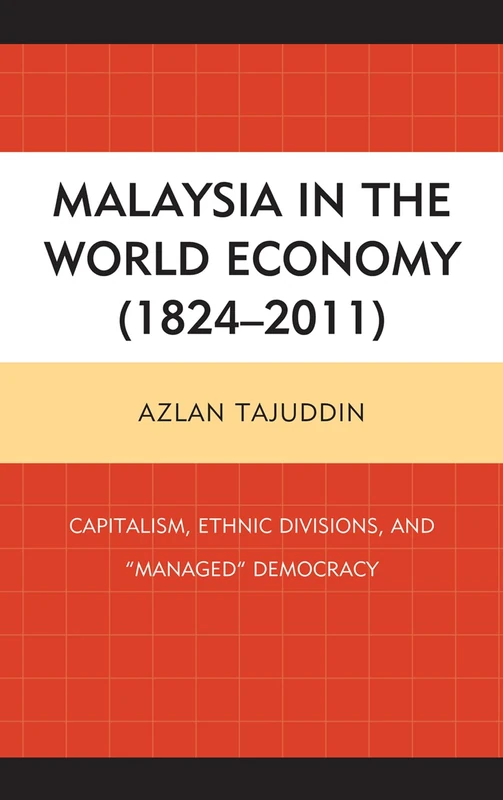
£49.14
This is the most expensive it has ever been. Walk away.
£49 today · previous high £49 · all-time low £49
Bloomsbury Malaysia in the World Economy (1824-2011): Capitalism, Ethnic Divisions, and "Managed" Democracy
We'll watch every seller, every day. One email when your price arrives.
Price History & Forecast
Grey patches = out of stock. Cheaper = lower on the chart. Hover for exact prices.
Last 60 days · 60 data points (no recent data)
NEW HERE?
Amazon shows you one price. We show you all of them.
Tosheroon watches Amazon prices so you don't have to. Every product on Amazon has a price history — we make it visible. Set the price you'd actually pay, and we'll email you the second it gets there. No app, no account, one email.
WHAT'S ON THIS PAGE
when this has been cheap or pricey
where the price is heading next
all-time high & low, recent range
name your number, we'll email you
Price Distribution
Price distribution over 60 days • 1 price levels
Price Analysis
Most common price: £49 (60 days, 100.0%)
Price range: £49 - £49
Price levels: 1 different prices over 60 days
Description
Product Specifications
- Brand
- Bloomsbury
- Format
- paperback
- ASIN
- 0739198017
- Domain
- Amazon UK
- Release Date
- 10 July 2014
- Listed Since
- 26 March 2014
Barcode
No barcode data available
Similar Products You Might Like
RESILIENT STATES FROM A COMPARATIVE REGIONAL PERSPECTIVE: CENTRAL AND EASTERN EUROPE AND SOUTHEAST ASIA: 8 (ADVANCED RESEARCH ON ASIAN ECONOMY AND ECONOMIES OF OTHER CONTINENTS)
World Scientific Publishing Company
Malaysia and the Developing World - Asian Tiger on the Cinnamon Road
Routledge
Contemporary South Africa and the Political Economy of Regional Development (Regions and Cities)
Routledge

Politics in India: Structure, Process and Policy
Routledge
Price unavailable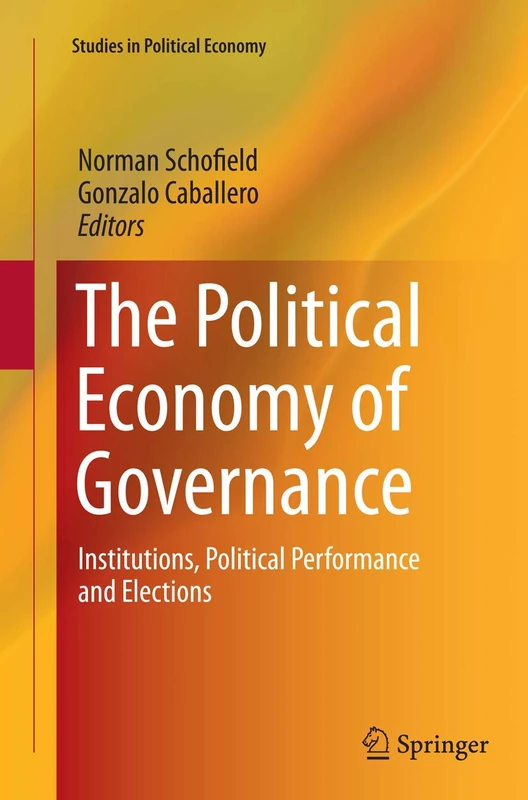
The Political Economy of Governance: Institutions, Political Performance and Elections (Studies in Political Economy)
Springer
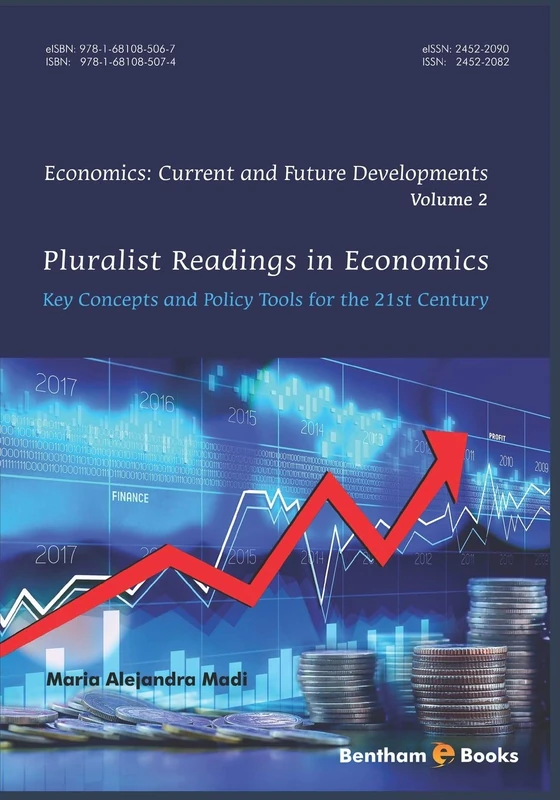
Pluralist Readings in Economics: Key concepts and policy tools for the 21st century
Bentham Science Publishers

International Political Economy: The Business of War and Peace
Routledge
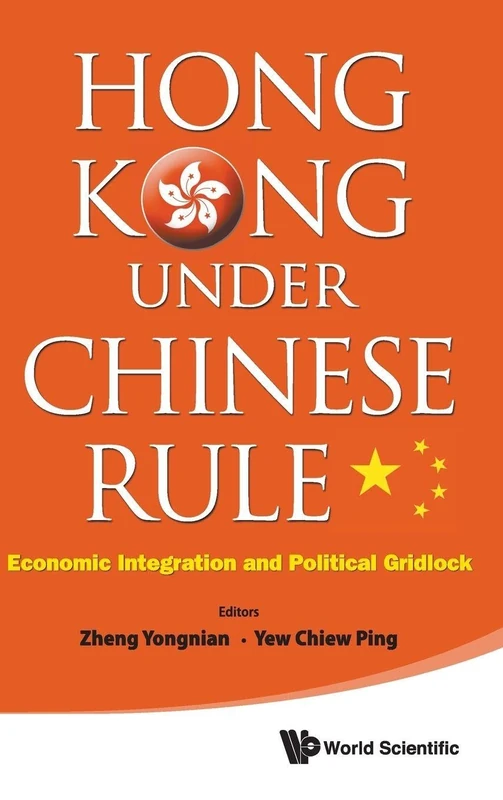
Hong Kong Under Chinese Rule: Economic Integration And Political Gridlock
World Scientific Publishing Company
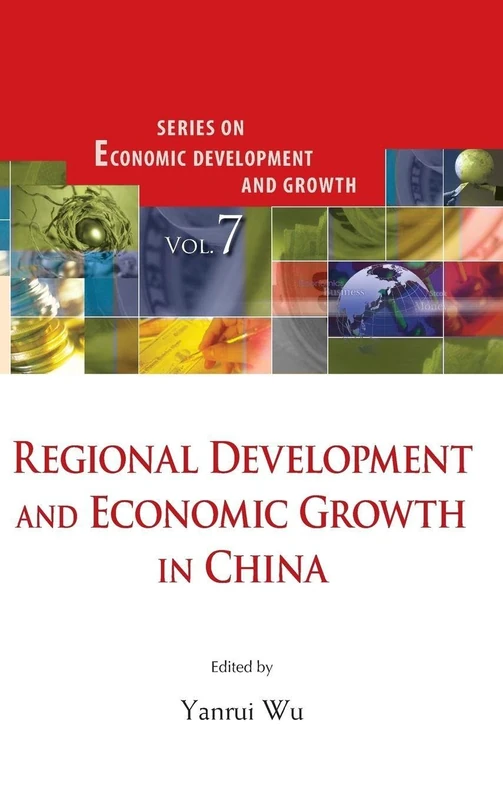
REGIONAL DEVELOPMENT AND ECONOMIC GROWTH IN CHINA: 7 (SERIES ON ECONOMIC DEVELOPMENT AND GROWTH)
World Scientific Publishing Company

Innovationspolitik in globalisierten Arenen: Neue Aufgaben für Forschung und Lehre: Forschungs-, Technologie- und Innovationspolitik im Wandel
VS Verlag für Sozialwissenschaften
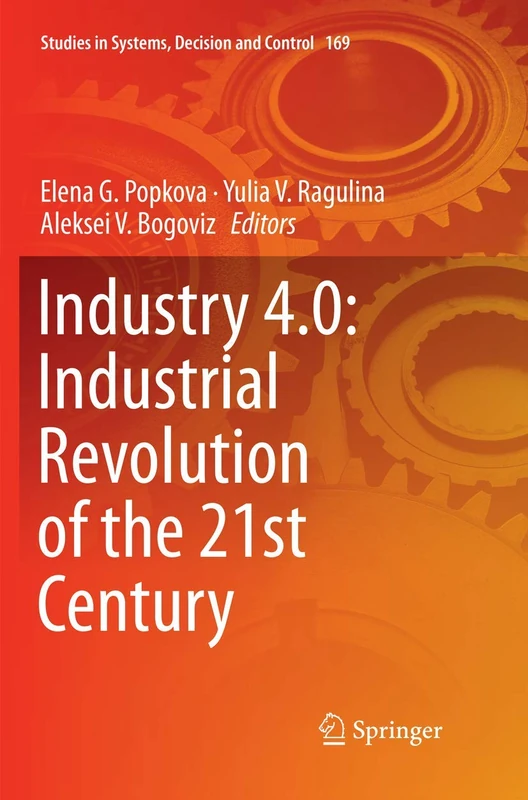
Industry 4.0: Industrial Revolution 21st Century - Springer
Springer

Global Economy in Transition: the European Union and Beyond (Vernon Economics)
Vernon Press
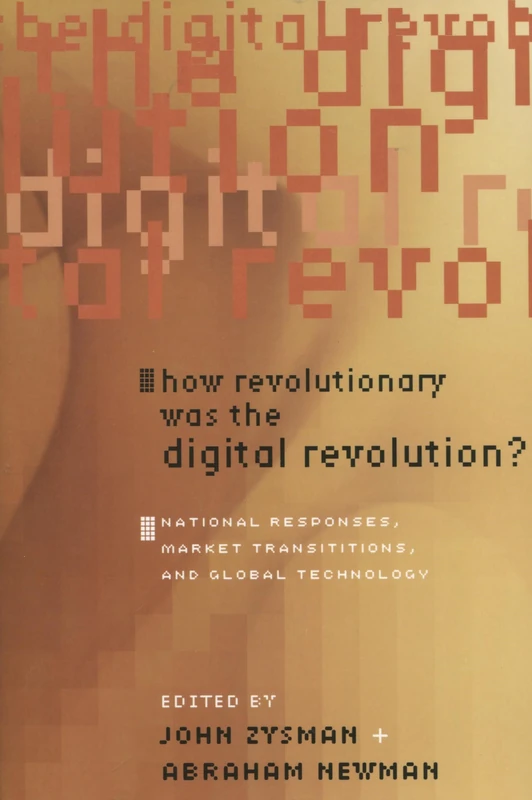
How Revolutionary Was the Digital Revolution?: National Responses, Market Transitions, and Global Technology (Innovation and Technology in the World Economy)
Stanford Business Books
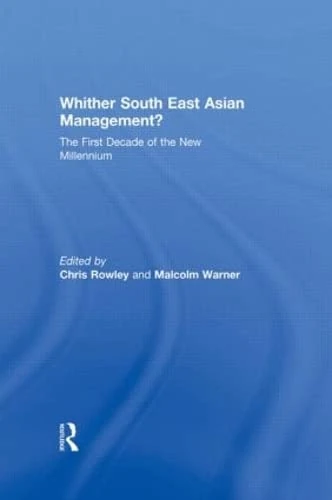
Whither South East Asian Management?: The First Decade of the New Millennium
Routledge

UPGRADING CHINA'S INFORMATION AND COMMUNICATION TECHNOLOGY INDUSTRY: STATE-FIRM STRATEGIC COORDINATION AND THE GEOGRAPHY OF TECHNOLOGICAL INNOVATION
World Scientific Publishing Company
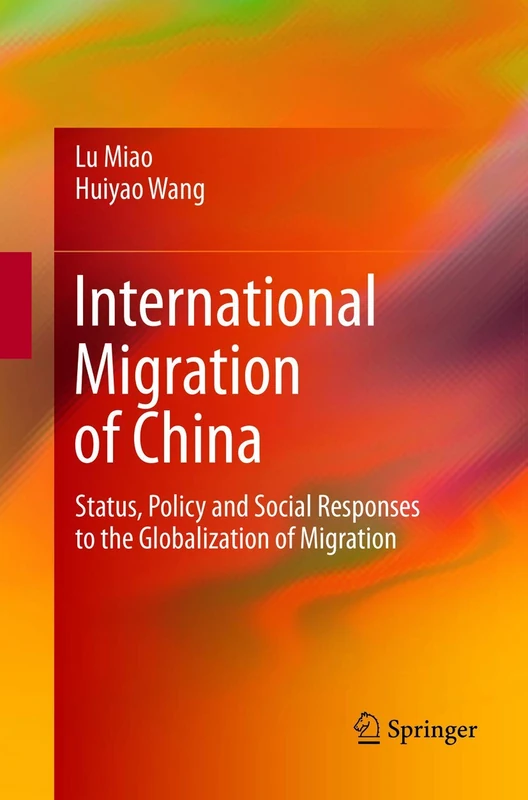
International Migration of China: Status, Policy and Social Responses to the Globalization of Migration
Springer
Compendium of Developmental Policy
Parse of China: Gradual Reform Logic Based on Bargaining Game
Springer

Japan And Asian Modernities - Routledge Japanese Studies
Routledge
International Migration of China: Status, Policy and Social Responses to the Globalization of Migration
Springer
2014 Provincial and Inaugural Regional Competitiveness Analysis: Safeguarding Indonesia's Growth Momentum: 0 (ASIA COMPETITIVENESS INSTITUTE - WORLD SCIENTIFIC SERIES)
Scientific Publishing
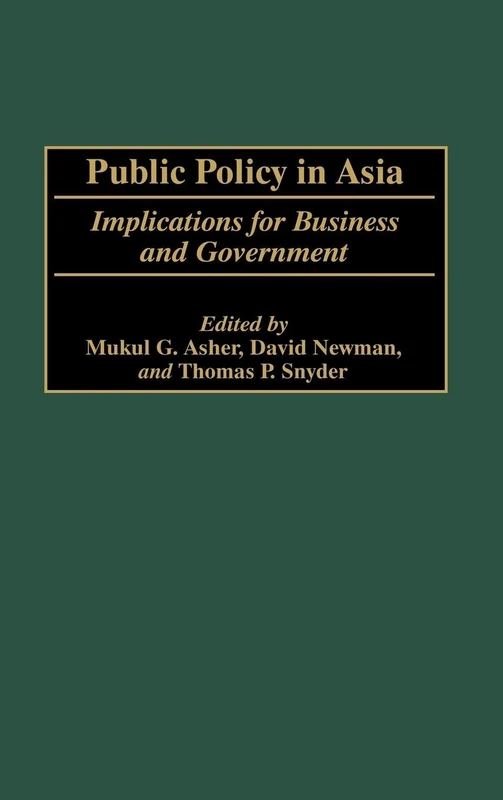
Public Policy in Asia: Implications for Business and Government
Bloomsbury