We can't find the internet
Attempting to reconnect
Something went wrong
Hang in there while we get back on track
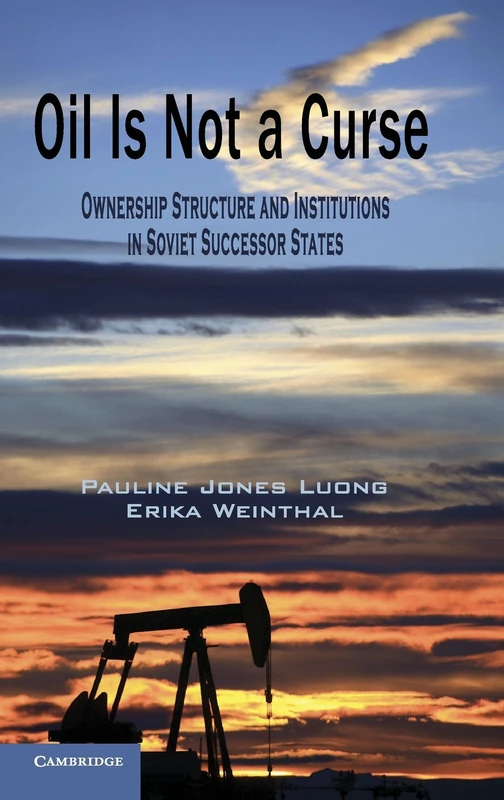
£88.00
Cambridge University Press Oil Is Not a Curse: Ownership Structure and Institutions in Soviet Successor States (Cambridge Studies in Comparative Politics)
Price data last checked 14 day(s) ago - will refresh soon
We'll watch every seller, every day. One email when your price arrives.
This is the most expensive it has ever been. Walk away.
£88 today · previous high £88 · all-time low £87
NEW HERE?
Amazon shows you one price. We show you all of them.
Tosheroon watches Amazon prices so you don't have to. Every product on Amazon has a price history — we make it visible. Set the price you'd actually pay, and we'll email you the second it gets there. No app, no account, one email.
WHAT'S ON THIS PAGE
when this has been cheap or pricey
where the price is heading next
all-time high & low, recent range
name your number, we'll email you
Price History & Forecast
Grey patches = out of stock. Cheaper = lower on the chart. Hover for exact prices.
Last 77 days · 77 data points (no recent data)
Price Distribution
Price distribution over 77 days • 2 price levels
Price Analysis
Most common price: £87 (72 days, 93.5%)
Price range: £87 - £88
Price levels: 2 different prices over 77 days
Description
Product Specifications
- Format
- hardcover
- ASIN
- 0521765773
- Domain
- Amazon UK
- Release Date
- 30 August 2010
- Listed Since
- 26 January 2010
Barcode
No barcode data available
Similar Products You Might Like
Politics and Oil in Kazakhstan (Central Asian Studies)
Routledge
Clan Politics and Regime Transition in Central Asia
Cambridge University Press
Economics of the Caspian Oil and Gas Wealth: Companies, Governments, Policies (Euro-Asian Studies)
MACMILLAN
Economic Liberalism and Its Rivals: The Formation of International Institutions among the Post-Soviet States
Cambridge University Press
Russia's Oil and Natural Gas: Bonanza or Curse? (Anthem Series on Russian, East European and Eurasian Studies)
Anthem Press
Political Regimes and Neopatrimonialism in Central Asia: A Sociology of Power Perspective (The Steppe and Beyond: Studies on Central Asia)
MACMILLAN
The Political Economy of Central Asia
Routledge
Risks, Rewards and Regulation of Unconventional Gas: A Global Perspective
Cambridge University Press
The Politics of the Caspian Oil
MACMILLAN
The Curse of Natural Resources: A Developmental Analysis in a Comparative Context
MACMILLAN
Russia's Oil Barons and Metal Magnates: Oligarchs and the State in Transition
MACMILLAN
State Capitalism In Eurasia
World Scientific Publishing Company
Hard Times in the Lands of Plenty: Oil Politics in Iran and Indonesia
Cornell University Press
Russian Energy Chains – The Remaking of Technopolitics from Siberia to Ukraine to the European Union (Woodrow Wilson Center Series)
Columbia University Press
Power and Water in Central Asia (Routledge Advances in Central Asian Studies)
Routledge
Adjustment in Oil-Importing Developing Countries: A Comparative Economic Analysis
Cambridge University Press
Conflict Areas in the Caucasus and Central Asia
Bloomsbury
Policy Reforms and Agriculture Development in Central Asia: 28 (Natural Resource Management and Policy, 28)
Springer
The Caspian: Politics, Energy and Security (Central Asia Research Forum)
Routledge
Impact of Natural Hazards on Oil and Gas Extraction: The South Caspian Basin
Springer
Soviet Nation-Building in Central Asia: The Making of the Kazakh and Uzbek Nations (Central Asian Studies)
Routledge
Central Asia – Russia's Near Abroad or Crossroads of Asia? (Elements in Soviet and Post-Soviet History)
Cambridge University Press
Sovereign Wealth Funds: Legitimacy, Governance, and Global Power
Princeton University Press
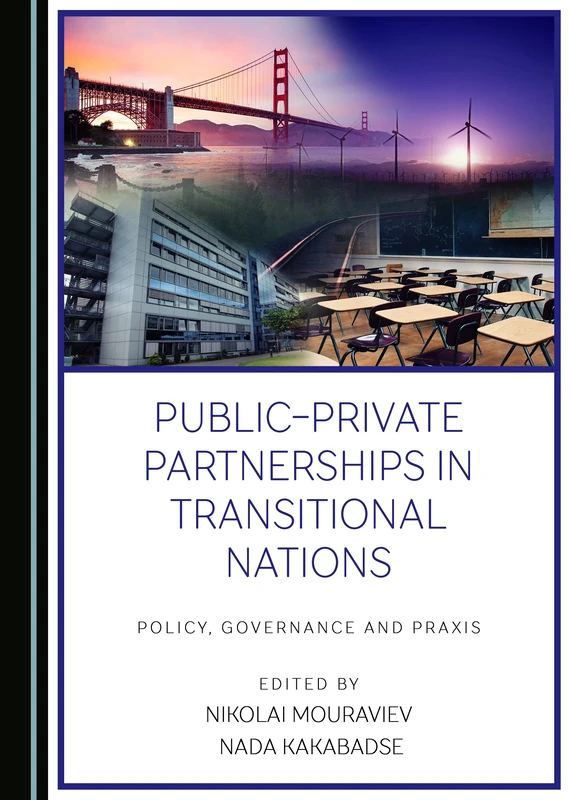
Public-Private Partnerships in Transitional Nations: Policy, Governance and Praxis
Cambridge Scholars Publishing