We can't find the internet
Attempting to reconnect
Something went wrong!
Hang in there while we get back on track
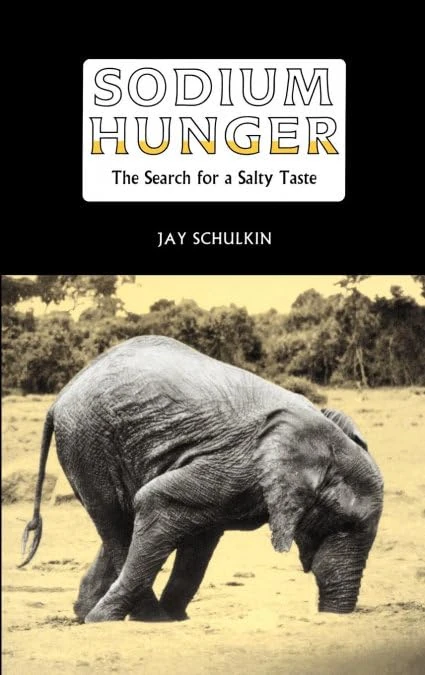
£98.89
Cambridge University Press Sodium Hunger: The Search for a Salty Taste
Price data last checked 118 day(s) ago - refreshing...
We'll watch every seller, every day. One email when your price arrives.
This is the usual price. Wait for it to drop, or tell us your number.
£99 today · usual range £0–£0 · best ever £78
NEW HERE?
Amazon shows you one price. We show you all of them.
Tosheroon watches Amazon prices so you don't have to. Every product on Amazon has a price history — we make it visible. Set the price you'd actually pay, and we'll email you the second it gets there. No app, no account, one email.
WHAT'S ON THIS PAGE
when this has been cheap or pricey
where the price is heading next
all-time high & low, recent range
name your number, we'll email you
Price History & Forecast
Grey patches = out of stock. Cheaper = lower on the chart. Hover for exact prices.
Last 613 days • 613 data points (No recent data available)
Price Distribution
Price distribution over 613 days • 9 price levels
Price Analysis
Most common price: £79 (232 days, 37.8%)
Price range: £78 - £100
Price levels: 9 different prices over 613 days
Description
Product Specifications
- Format
- Hardcover
- ASIN
- 0521353688
- Domain
- Amazon UK
- Release Date
- 16 January 1992
- Listed Since
- 04 January 2007
Barcode
No barcode data available
Similar Products You Might Like
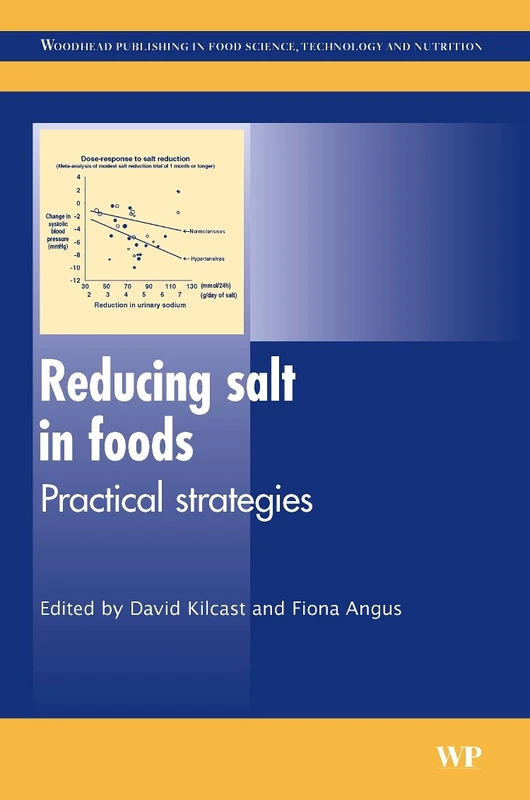
Reducing Salt in Foods - Woodhead Publishing Science Book
Woodhead Publishing
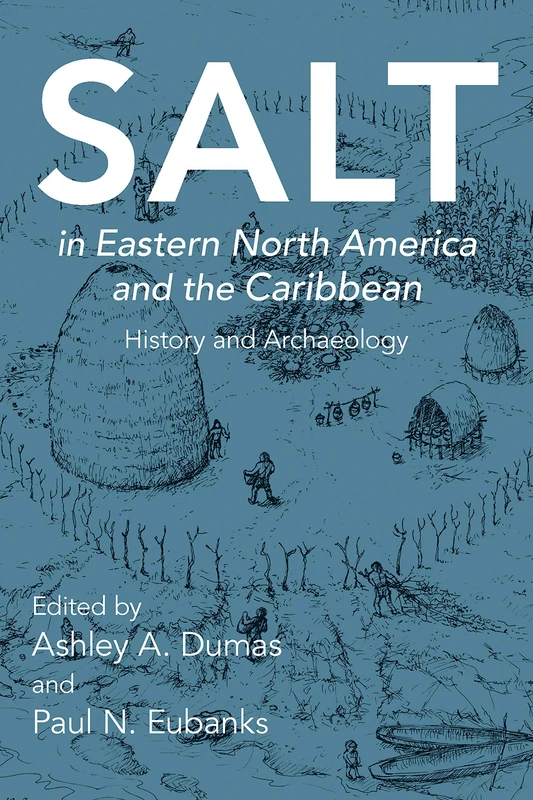
Salt in Eastern North America and the Caribbean: History and Archaeology (Archaeology of Food)
University Alabama Press

A Guide to the Psychology of Eating
Bloomsbury Academic