We can't find the internet
Attempting to reconnect
Something went wrong
Hang in there while we get back on track
£46.99
Routledge Film Criticism as a Cultural Institution (CRESC)
Price data last checked 57 day(s) ago - refreshing...
We'll watch every seller, every day. One email when your price arrives.
This is the most expensive it has ever been. Walk away.
£47 today · previous high £47 · all-time low £46
NEW HERE?
Amazon shows you one price. We show you all of them.
Tosheroon watches Amazon prices so you don't have to. Every product on Amazon has a price history — we make it visible. Set the price you'd actually pay, and we'll email you the second it gets there. No app, no account, one email.
WHAT'S ON THIS PAGE
when this has been cheap or pricey
where the price is heading next
all-time high & low, recent range
name your number, we'll email you
Price History & Forecast
Grey patches = out of stock. Cheaper = lower on the chart. Hover for exact prices.
Last 34 days · 34 data points (no recent data)
Price Distribution
Price distribution over 34 days • 2 price levels
Price Analysis
Most common price: £46 (28 days, 82.4%)
Price range: £46 - £47
Price levels: 2 different prices over 34 days
Description
Product Specifications
- Brand
- Routledge
- Format
- paperback
- ASIN
- 036787539X
- Domain
- Amazon UK
- Release Date
- 20 December 2019
- Listed Since
- 28 November 2019
Barcode
No barcode data available
Similar Products You Might Like
Film Criticism and Digital Cultures: Journalism, Social Media and the Democratization of Opinion (International Library of the Moving Image)
Bloomsbury
Routledge - Film Criticism as a Cultural Institution (CRESC)
Routledge

Film Criticism in the Digital Age
Rutgers University Press
Routledge - The Language and Style of Film Criticism Book
Routledge
Film Critics and British Film Culture: New Shots in the Dark
Edinburgh University Press
The Craft of Criticism: Critical Media Studies in Practice
Routledge
Price unavailable
The Permanent Crisis of Film Criticism: The Anxiety of Authority (Film Theory in Media History)
Amsterdam University Press
Film Policy in a Globalised Cultural Economy
Routledge
Cinema of Things, The: Globalization and the Posthuman Object
Bloomsbury

De Gruyter Kritische Film- und Literaturedition - Volume 51
De Gruyter

Polish Cinema in a Transnational Context (Rochester Studies in East and Central Europe)
University of Rochester Press
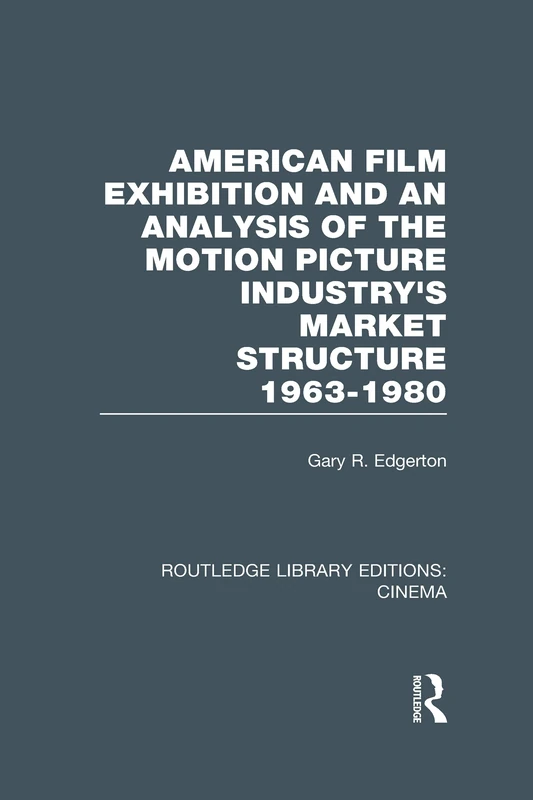
American Film Exhibition and an Analysis of the Motion Picture Industry's Market Structure 1963-1980 (Routledge Library Editions: Cinema)
Routledge

Small Cinemas in Global Markets: Genres, Identities, Narratives
Lexington Books
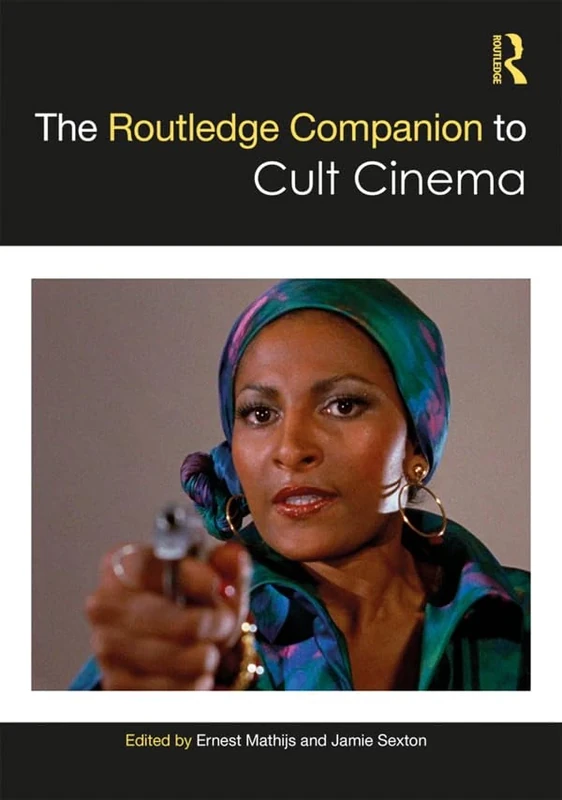
The Routledge Companion to Cult Cinema (Routledge Media and Cultural Studies Companions)
Routledge
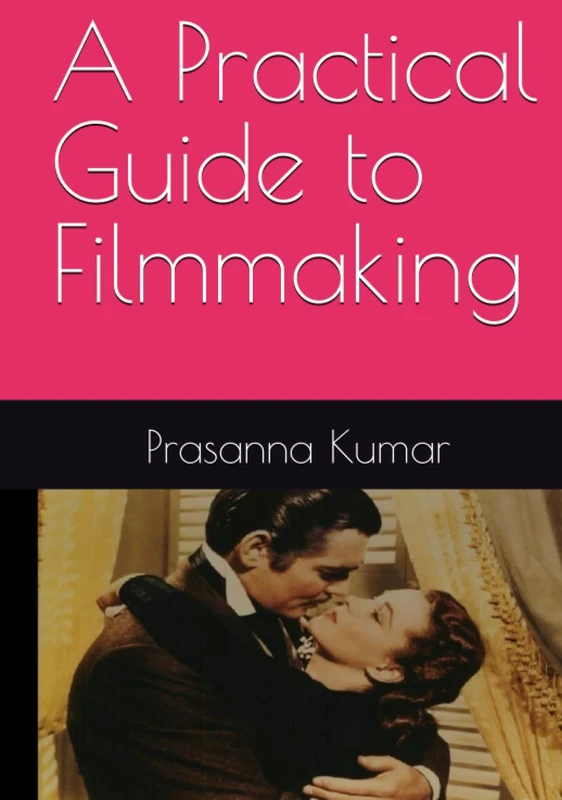
A Practical Guide to Filmmaking
Routledge Neoliberalism and Global Cinema Marxist Critique 09
Routledge

Guerrilla Film Marketing: The Ultimate Guide to the Branding, Marketing and Promotion of Independent Films & Filmmakers
Routledge
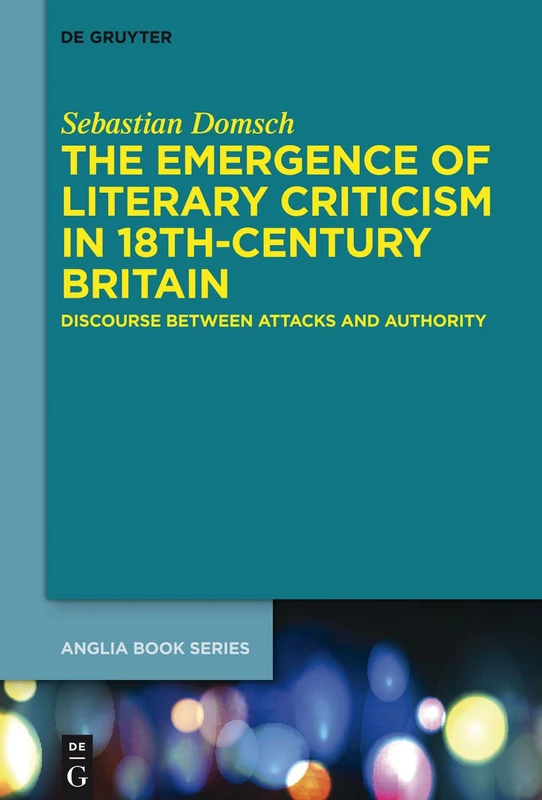
The Emergence of Literary Criticism in 18th-Century Britain: Discourse between Attacks and Authority: 47 (Buchreihe Der Anglia / Anglia Book Series, 47)
De Gruyter

Conversations with Christian Metz: Selected Interviews on Film Theory (1970-1991) (Film Theory in Media History)
Amsterdam University Press
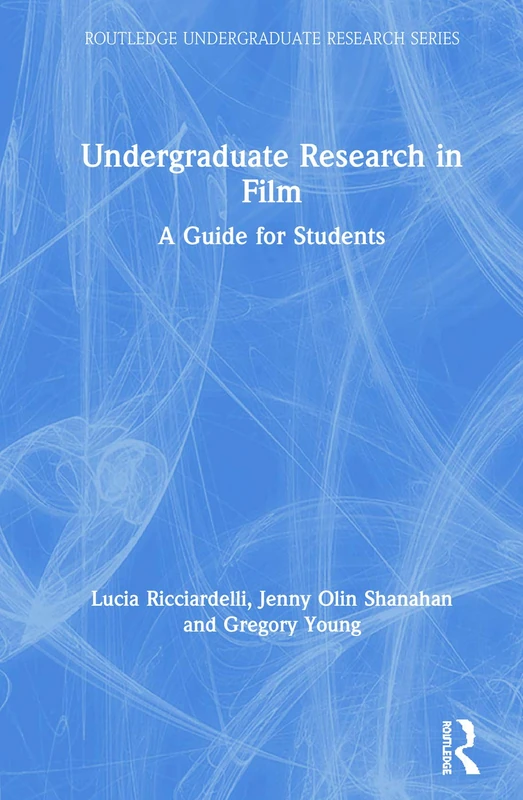
Routledge Undergraduate Research in Film: A Guide for Students
Routledge

Doing Women's Film History: Reframing Cinemas, Past and Future (Women’s Media History Now!)
University of Illinois Press
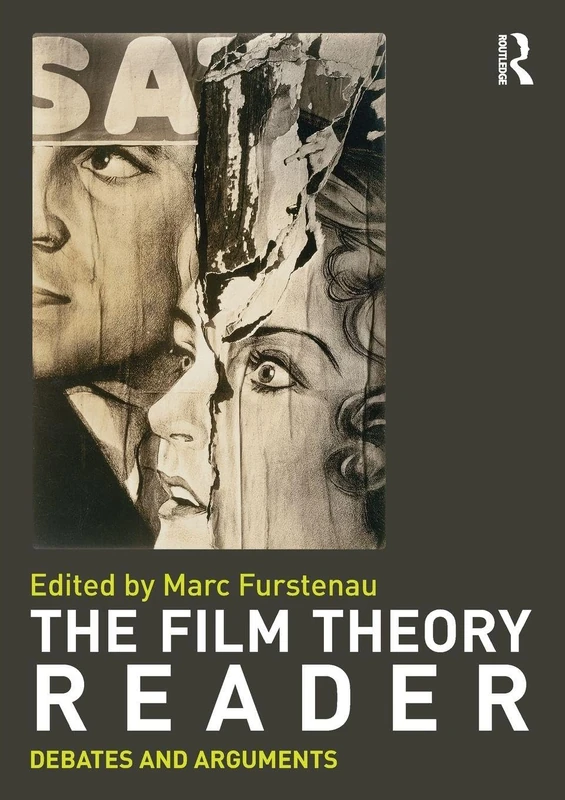
Film Theory Reader: Debates & Arguments
Routledge
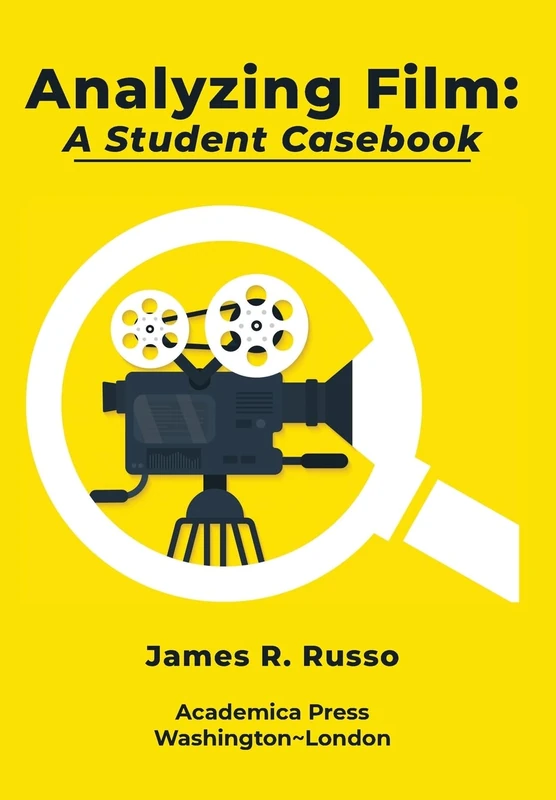
Analyzing Film: A Student Casebook

The Emergence of Film Culture: Knowledge Production, Institution Building, and the Fate of the Avant-Garde in Europe, 1919–1945: 16 (Film Europa, 16)
Berghahn Books