We can't find the internet
Attempting to reconnect
Something went wrong
Hang in there while we get back on track
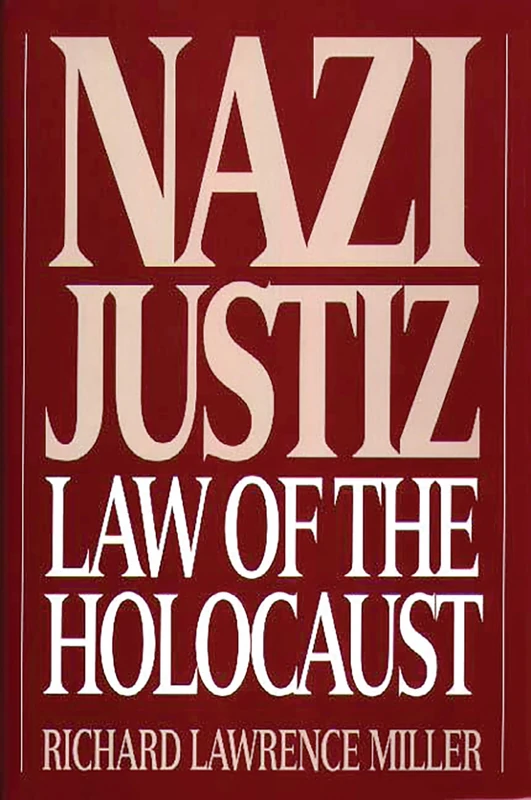
£73.55
This is the most expensive it has ever been. Walk away.
£74 today · previous high £74 · all-time low £73
Bloomsbury Nazi Justiz: Law of the Holocaust
We'll watch every seller, every day. One email when your price arrives.
Price History & Forecast
Grey patches = out of stock. Cheaper = lower on the chart. Hover for exact prices.
Last 15 days · 15 data points (no recent data)
NEW HERE?
Amazon shows you one price. We show you all of them.
Tosheroon watches Amazon prices so you don't have to. Every product on Amazon has a price history — we make it visible. Set the price you'd actually pay, and we'll email you the second it gets there. No app, no account, one email.
WHAT'S ON THIS PAGE
when this has been cheap or pricey
where the price is heading next
all-time high & low, recent range
name your number, we'll email you
Price Distribution
Price distribution over 15 days • 1 price levels
Price Analysis
Most common price: £73 (15 days, 100.0%)
Price range: £73 - £73
Price levels: 1 different prices over 15 days
Description
Product Specifications
- Brand
- Bloomsbury
- Format
- hardcover
- ASIN
- 0275949125
- Domain
- Amazon UK
- Release Date
- 27 June 1995
- Listed Since
- 07 February 2007
Barcode
No barcode data available
Similar Products You Might Like
German Reich and Protectorate April 1943–1945
De Gruyter Oldenbourg
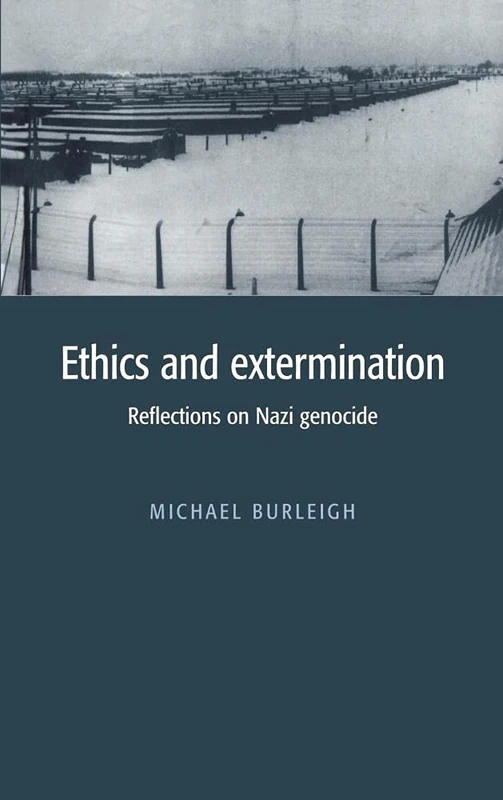
Ethics and Extermination: Reflections on Nazi Genocide
Cambridge University Press
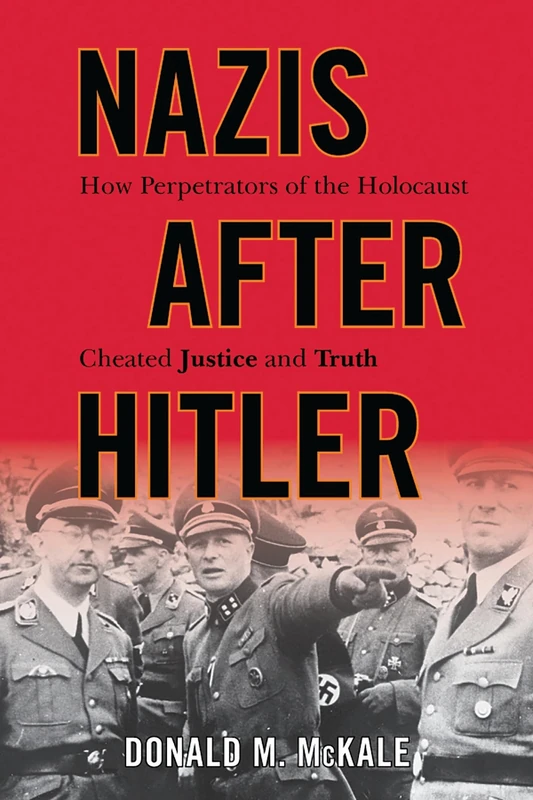
Nazis after Hitler: How Perpetrators of the Holocaust Cheated Justice and Truth
Rowman & Littlefield Publishers
The Routledge Companion to Nazi Germany (Routledge Companions to History)
Routledge

Zionism and Anti-Semitism in Nazi Germany
Cambridge University Press
Jews in Post-Holocaust Germany, 1945ÔÇô1953
Cambridge University Press
Predicting the Holocaust: Jewish Organizations Report from Geneva on the Emergence of the "Final Solution," 1939-1942 (Documenting Life and Destruction: Holocaust Sources in Context)
Rowman & Littlefield Publishers
Collaboration with the Nazis: Public Discourse after the Holocaust (Routledge Jewish Studies Series)
Routledge
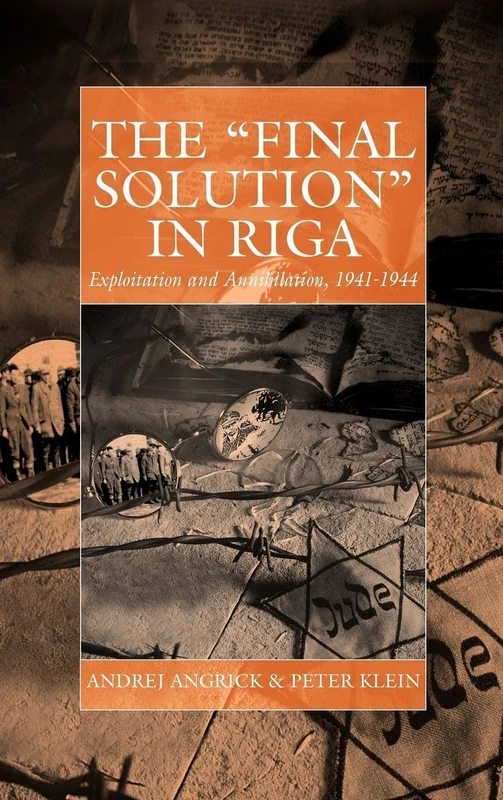
The 'Final Solution' in Riga: Exploitation and Annihilation, 1941-1944: 14 (War and Genocide, 14)
Berghahn Books
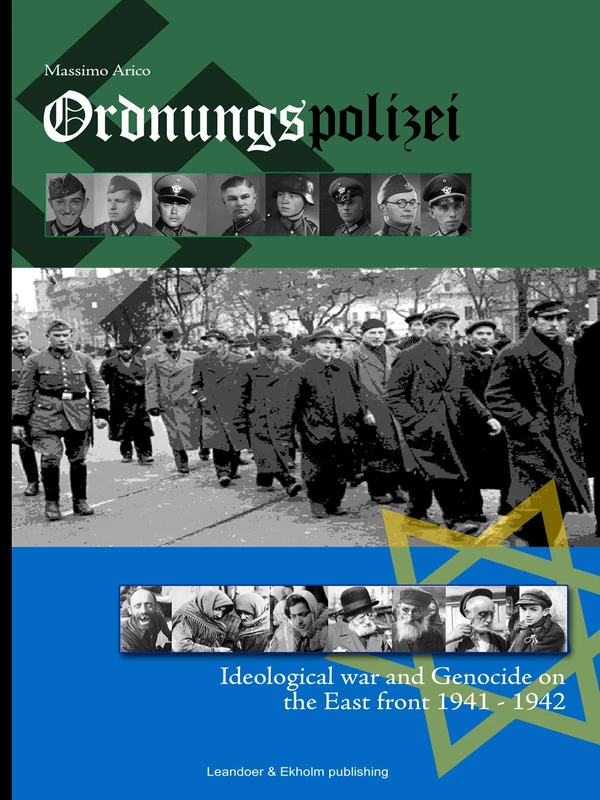
Ordnungspolizei: Ideological War and Genocide in the East 1941-42
The Train Journey: Transit, Captivity, and Witnessing in the Holocaust: 13 (War and Genocide, 13)
Berghahn Books

The Final Solution: Origins and Implementation
Routledge

Literature and Justice in Mid-Twentieth-Century Britain: Crimes and War Crimes (Oxford Mid-Century Studies Series)
Oxford University Press
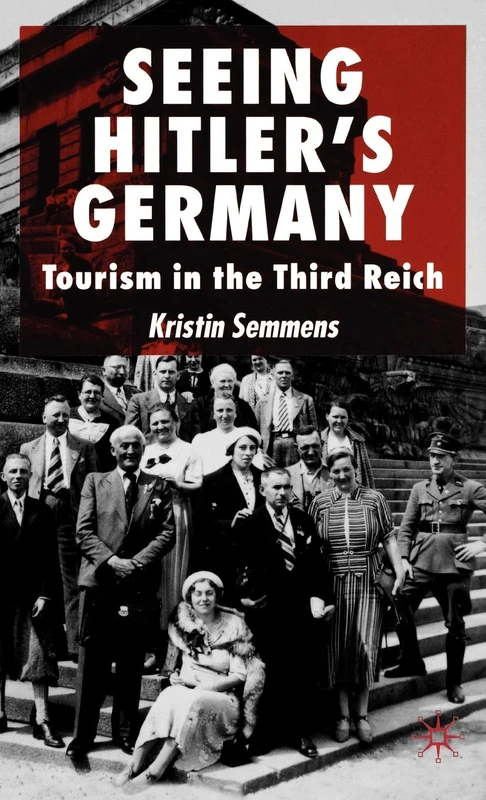
Seeing Hitler's Germany: Tourism in the Third Reich
MACMILLAN
The Restoration of Justice in Postwar Hesse, 1945-1949
Lexington Books
Culture and Catastrophe: German and Jewish Confrontations with National Socialism and Other Crises
NYU Press
Building Nazi Germany: Place, Space, Architecture, and Ideology
Rowman & Littlefield Publishers

Polish Film and the Holocaust: Politics and Memory
Berghahn Books
Sociology and the Holocaust: A Discipline Grapples with History
Routledge

Allianz German Ins Business 1933-45
Cambridge University Press
History, Religion, and Meaning: American Reflections on the Holocaust and Israel: 62 (Contributions to the Study of Religion: Christianity and the)
Bloomsbury
Church of England and the Holocaust: Christianity, Memory and Nazism
Boydell Press
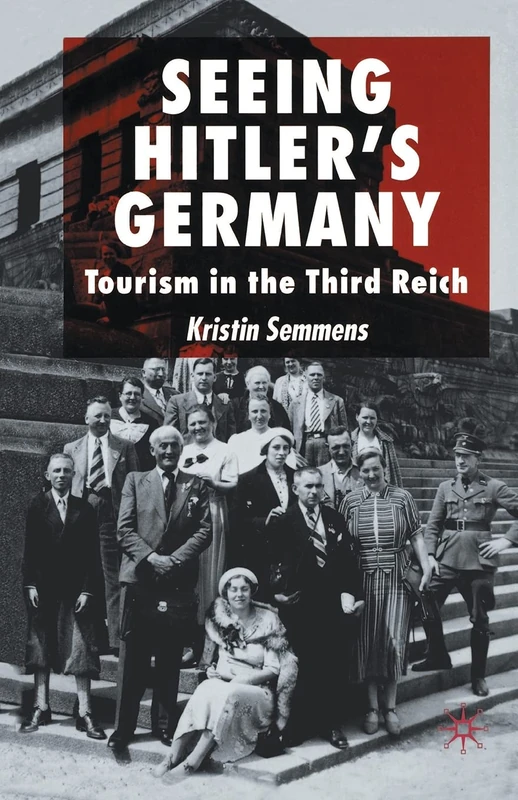
Seeing Hitler's Germany: Tourism in the Third Reich
MACMILLAN
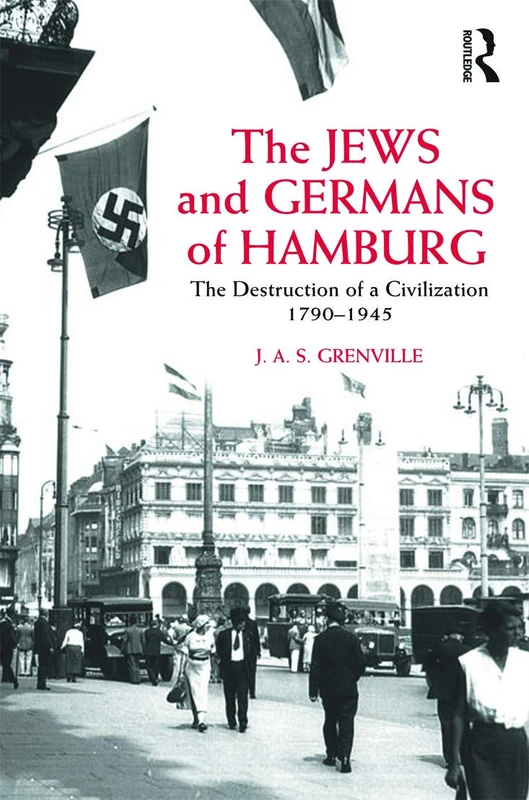
The Jews and Germans of Hamburg: The Destruction of a Civilization 1790-1945
Routledge