We can't find the internet
Attempting to reconnect
Something went wrong
Hang in there while we get back on track
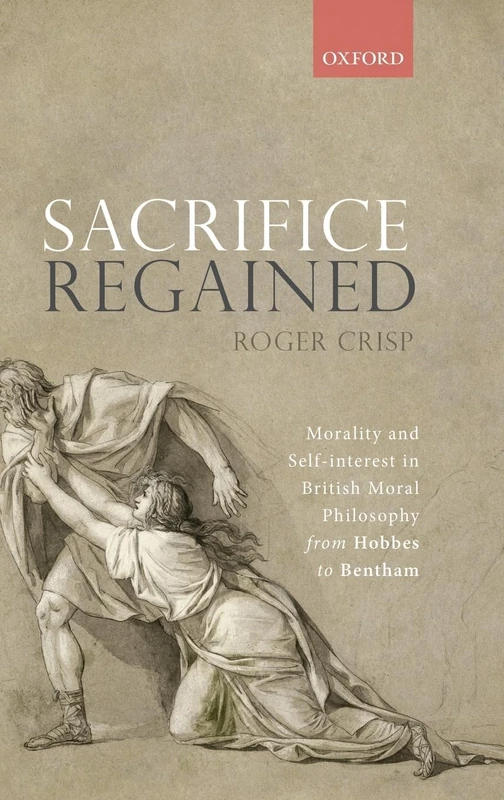
£80.96
Oxford University Press Sacrifice Regained: Morality and Self-Interest in British Moral Philosophy from Hobbes to Bentham
Price data last checked 14 day(s) ago - will refresh soon
We'll watch every seller, every day. One email when your price arrives.
This is the most expensive it has ever been. Walk away.
£81 today · previous high £81 · all-time low £67
NEW HERE?
Amazon shows you one price. We show you all of them.
Tosheroon watches Amazon prices so you don't have to. Every product on Amazon has a price history — we make it visible. Set the price you'd actually pay, and we'll email you the second it gets there. No app, no account, one email.
WHAT'S ON THIS PAGE
when this has been cheap or pricey
where the price is heading next
all-time high & low, recent range
name your number, we'll email you
Price History & Forecast
Grey patches = out of stock. Cheaper = lower on the chart. Hover for exact prices.
Last 77 days · 77 data points (no recent data)
Price Distribution
Price distribution over 77 days • 5 price levels
Price Analysis
Most common price: £68 (22 days, 28.6%)
Price range: £67 - £81
Price levels: 5 different prices over 77 days
Description
Product Specifications
- Brand
- Oxford University Press
- Format
- hardcover
- ASIN
- 0198840470
- Domain
- Amazon UK
- Release Date
- 03 September 2019
- Listed Since
- 06 March 2019
Barcode
No barcode data available
Similar Products You Might Like
Moral Evil in Practical Ethics (Routledge Studies in Ethics and Moral Theory)
Routledge

Intrinsic Value: Concept and Warrant (Cambridge Studies in Philosophy)
Cambridge University Press
Desire as Belief: A Study of Desire, Motivation, and Rationality
Oxford University Press
Virtue Ethics (Wiley Blackwell Readings in Philosophy)
Wiley
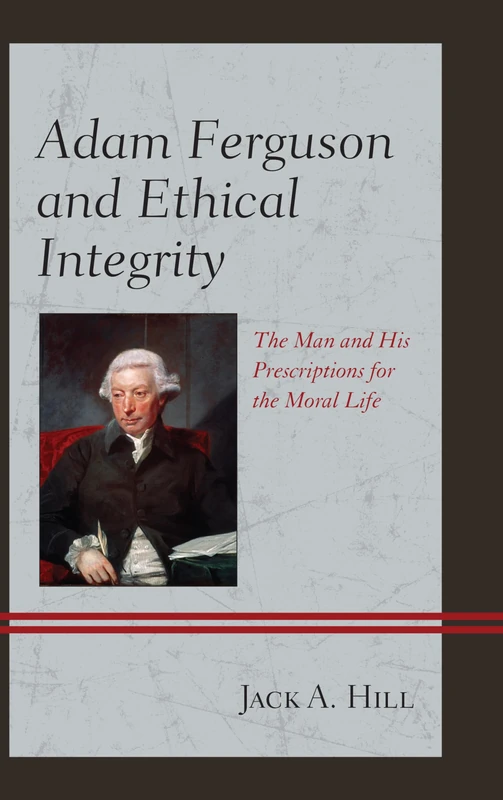
Adam Ferguson and Ethical Integrity: The Man and His Prescriptions for the Moral Life
Lexington Books
Mencius, Hume and the Foundations of Ethics (Ashgate World Philosophies Series)
Routledge
Late Modern Philosophy: Essential Readings with Commentary (Blackwell Readings in the History of Philosophy)
Wiley
Hume's Philosophy in Historical Perspective
Oxford University Press
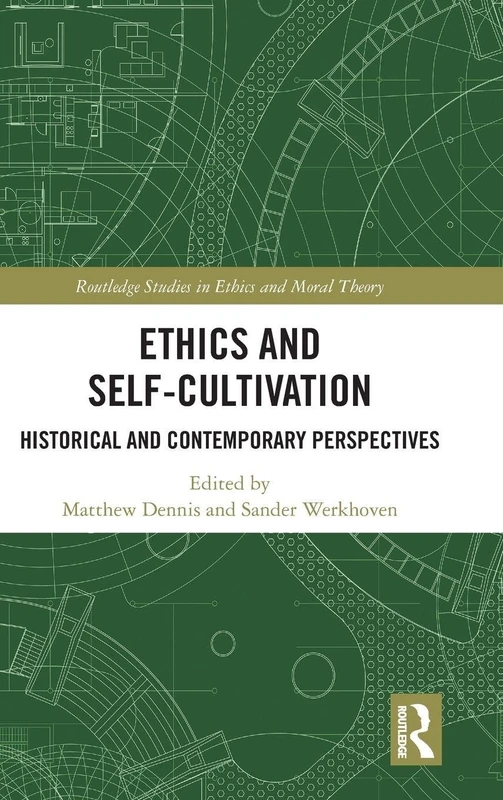
Ethics and Self-Cultivation: Historical and Contemporary Perspectives
Routledge
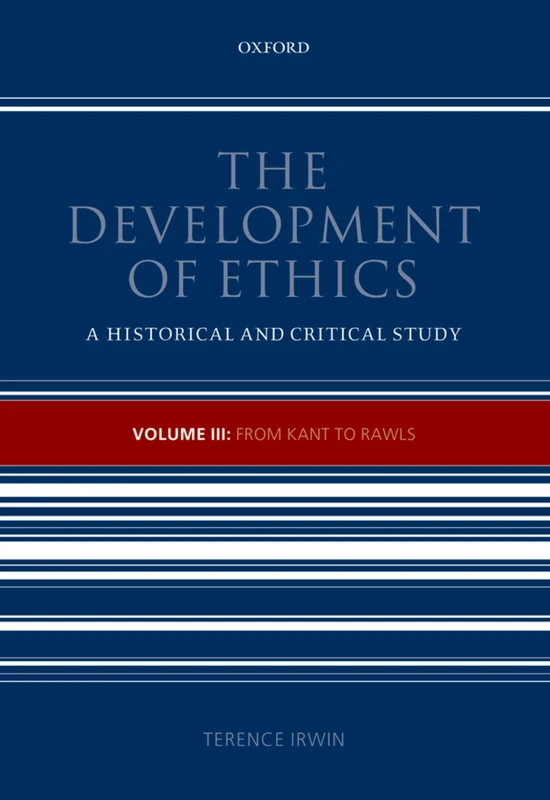
The Development of Ethics, Volume 3: From Kant to Rawls
Oxford University Press
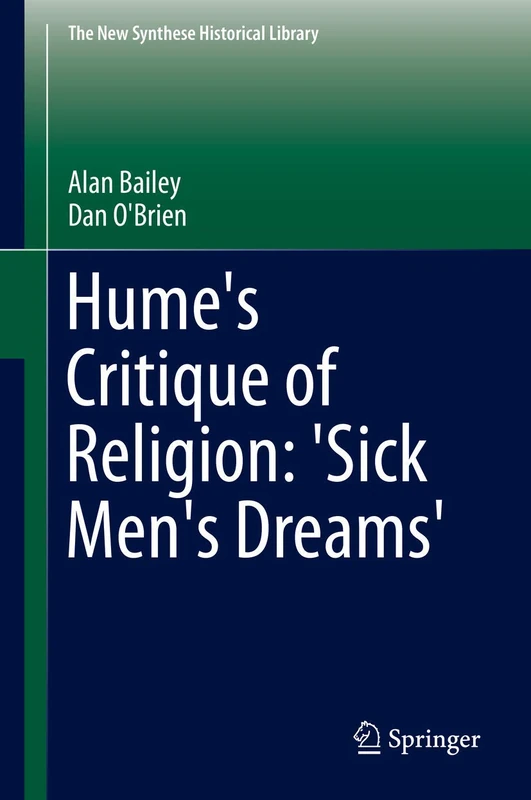
Hume's Critique of Religion: 'Sick Men's Dreams': 72 (The New Synthese Historical Library, 72)
Springer