We can't find the internet
Attempting to reconnect
Something went wrong
Hang in there while we get back on track

£145.00
It has never been this cheap. We have no record of a lower price.
£145 today · cheaper than every other day in the last 3 months
Elsevier Handbook of Basal Ganglia Structure and Function: Volume 24 (Handbook of Behavioral Neuroscience, Volume 24)
Price data last checked 63 day(s) ago - refreshing...
We'll watch every seller, every day. One email when your price arrives.
Price History & Forecast
Grey patches = out of stock. Cheaper = lower on the chart. Hover for exact prices.
Last 28 days · 28 data points (no recent data)
Price data last checked 63 day(s) ago - refreshing...
NEW HERE?
Amazon shows you one price. We show you all of them.
Tosheroon watches Amazon prices so you don't have to. Every product on Amazon has a price history — we make it visible. Set the price you'd actually pay, and we'll email you the second it gets there. No app, no account, one email.
WHAT'S ON THIS PAGE
when this has been cheap or pricey
where the price is heading next
all-time high & low, recent range
name your number, we'll email you
Price Distribution
Price distribution over 28 days • 1 price levels
Price Analysis
Most common price: £145 (28 days, 100.0%)
Price range: £145 - £145
Price levels: 1 different prices over 28 days
Description
Product Specifications
- Brand
- Elsevier
- Format
- hardcover
- ASIN
- 0123747678
- Domain
- Amazon UK
- Release Date
- 15 February 2010
- Listed Since
- 06 August 2009
Barcode
No barcode data available
Similar Products You Might Like
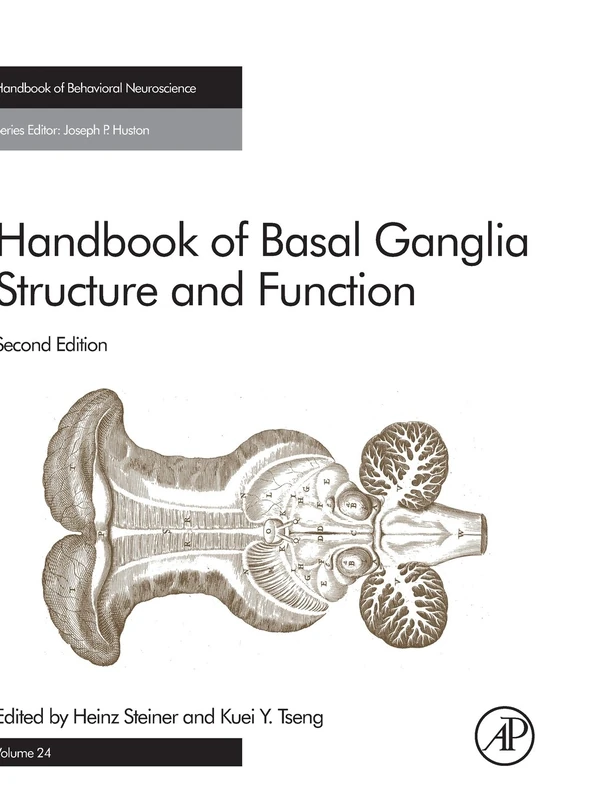
Handbook of Basal Ganglia Structure and Function (Volume 24) (Handbook of Behavioral Neuroscience, Volume 24)
Elsevier
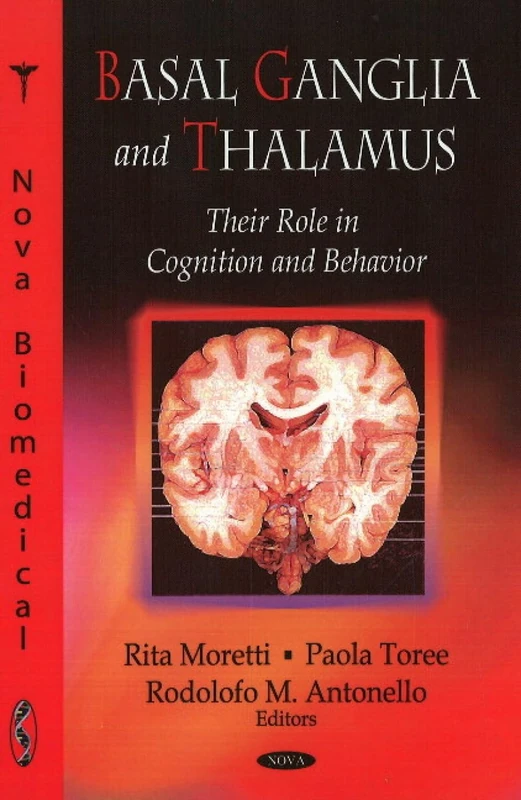
Basal Ganglia and Thalamus: Their Role in Cognition and Behavior

Functional Neural Transplantation III (Progress in Brain Research): Primary and Stem Cell Therapies for Brain Repair, Part II: Volume 201 (Progress in Brain Research, Volume 201)
Elsevier
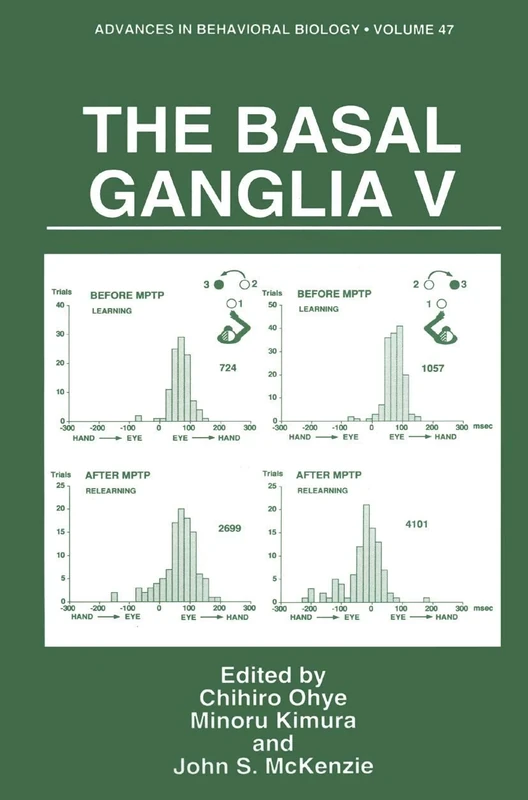
The Basal Ganglia V: Proceedings of the Fifth Triennial Meeting of the International Basal Ganglia Society, held May 23-26, 1995, in Nemuno-Sato, Japan: 47 (Advances in Behavioral Biology, 47)
Springer

Functional Neural Transplantation IV: Translation to Clinical Application, Part A (Volume 230) (Progress in Brain Research, Volume 230)
Elsevier

The Brain
Routledge
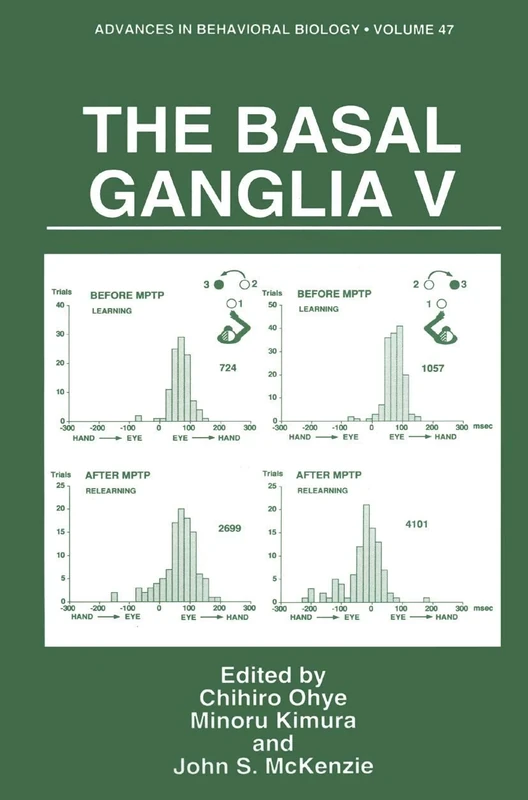
The Basal Ganglia V: 47 (Advances in Behavioral Biology, 47)
Springer

The Brain by Routledge - Neurology & Clinical Neurophysiology
Routledge

Novel Approaches to Studying Basal Ganglia and Related Neuropsychiatric Disorders: 88 (International Review of Neurobiology): Volume 89
Elsevier

MRI Neuroanatomy: Cortex, Nuclei and Connections
Springer

The Subthalamic Nucleus: Part I: Development, Cytology, Topography and Connections: 198 (Advances in Anatomy, Embryology and Cell Biology, 198)
Springer
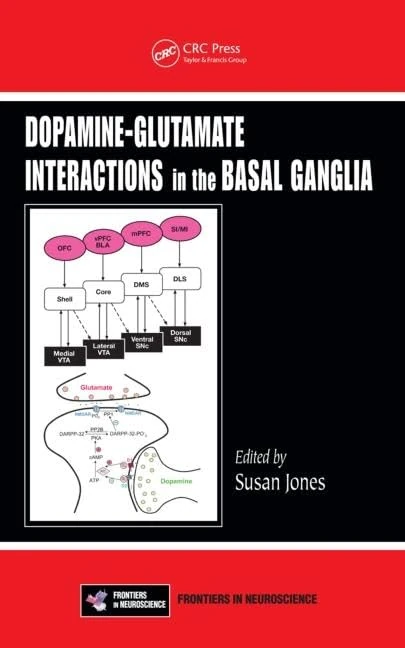
Dopamine - Glutamate Interactions in the Basal Ganglia: 49 (Frontiers in Neuroscience)
CRC Press
Cultural Patterns And Neurocognitive Circuits II: East-West Connections: 5 (EXPLORING COMPLEXITY)
Scientific Publishing
The Rhesus Monkey Brain in Stereotaxic Coordinates: Fourth Edition
Elsevier

Brain and Behaviour: Revisiting the Classic Studies (Psychology: Revisiting the Classic Studies)
Sage Publishing
Encyclopedia of the Human Brain
Elsevier

The Subthalamic Nucleus: Part II: Modelling and Simulation of Activity: 199 (Advances in Anatomy, Embryology and Cell Biology, 199)
Springer