We can't find the internet
Attempting to reconnect
Something went wrong
Hang in there while we get back on track
£136.81
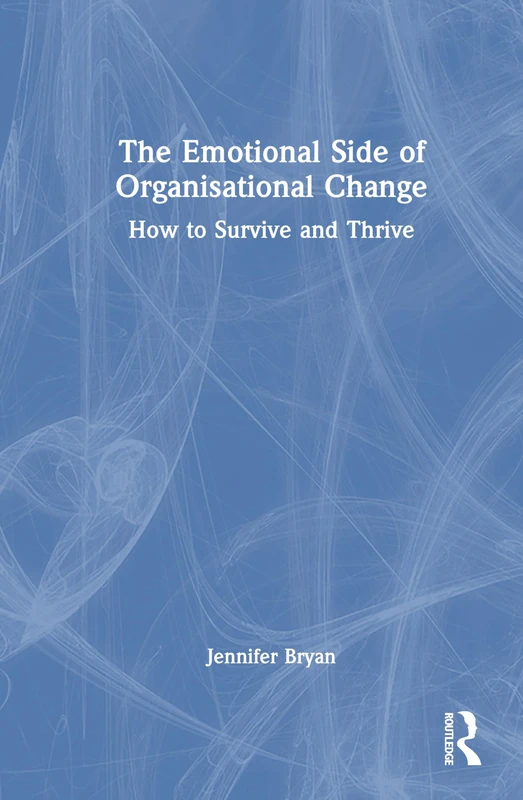
Routledge - The Emotional Side of Organisational Change Book
Price data last checked 69 day(s) ago - refreshing...
We'll watch every seller, every day. One email when your price arrives.
It has never been this cheap. We have no record of a lower price.
£137 today · cheaper than every other day in the last 3 months
NEW HERE?
Amazon shows you one price. We show you all of them.
Tosheroon watches Amazon prices so you don't have to. Every product on Amazon has a price history — we make it visible. Set the price you'd actually pay, and we'll email you the second it gets there. No app, no account, one email.
WHAT'S ON THIS PAGE
when this has been cheap or pricey
where the price is heading next
all-time high & low, recent range
name your number, we'll email you
Price History & Forecast
Grey patches = out of stock. Cheaper = lower on the chart. Hover for exact prices.
Last 22 days · 22 data points (no recent data)
Price Distribution
Price distribution over 22 days • 1 price levels
Price Analysis
Most common price: £137 (22 days, 100.0%)
Price range: £137 - £137
Price levels: 1 different prices over 22 days
Description
Key Features
Product Description Jean-Jacques Rousseau is an enigmatic figure in many ways. There is much debate about whether he was an advocate of the Enlightenment project or a critic of it. Sometimes Rousseau seems to be arguing against traditional values and hierarchies. But elsewhere he seems to be an enemy of progress altogether. This book explains Rousseau's true place in the Enlightenment by paying particular attention to his account of virtue. Virtue ethics is one of the main branches in moral philosophy, and its most famous advocate is Aristotle. Many recent philosophers have tried to revive virtue ethics, most notably Alasdair MacIntyre in his 1984 book, After Virtue. MacIntyre argues that the Enlightenment project was doomed to fail precisely because Enlightenment philosophers had discarded Aristotle. They do this by rejecting Aristotle's claim that all things are, by nature, directed towards some proper end. The enlightenment figures whom MacIntyre discusses at length in his critique are Hume, Kant, and Kierkegaard. And while Rousseau is mentioned as an Enlightenment thinker, very little attention is paid to him. This book puts Rousseau's ethics into historical perspective, showing that Rousseau shares important characteristics with his contemporaries as well as with the tradition of Aristotle. The dichotomy set up by MacIntyre and others between the ethics of the ancient tradition and that of the Enlightenment is oversimplified. By taking a serious look at Rousseau's ethics, we can see that he forms a bridge between these two rich traditions in the history of Western philosophy. About the Author James J. Delaney is Assistant Professor of Philosophy at Niagara University in western New York, USA.
Provides insights into surviving and thriving during periods of organizational restructuring.
Focuses on the psychological aspects of management and human resources within a changing workplace.
A practical resource for understanding how emotional responses affect organizational success.
Published by Routledge, a trusted name in academic and professional business literature.
Product Specifications
- Brand
- Routledge
- Format
- hardcover
- ASIN
- 1041080905
- Domain
- Amazon UK
- Release Date
- 22 January 2026
- Listed Since
- 14 August 2025
Barcode
No barcode data available
Similar Products You Might Like
Routledge Governing Partners: State-local Relations in the US
Routledge
The Emotional Life of Organisations: How Feelings Shape Culture, Performance, and Results
Routledge
Routledge - The Academic Quality Handbook - Education Book
Routledge
Routledge - The Impact of Organizations Book
Routledge
Changing Organizational Culture: Cultural Change Work in Progress
Routledge

Fabrication for Theatre and Entertainment: Metals
Routledge
India's Social Landscape: Contestations, Resistance, and Transformation
Routledge
Routledge Meaning: Semantics, Pragmatics, Cognition Book
Routledge
Routledge - The Writing Teacher's Guide to Pedagogical Documentation
Routledge
Routledge Sociology, Work, and Organisations: A Global Context
Routledge
Employees and Internal Social Media: The Voice of Coworkers in an Organization (Routledge Research in Public Relations)
Routledge
The Process of Change (Routledge Revivals)
Routledge
How Digital Social Life Matters: New Frames for Social and Cultural Analysis (Media, Culture and Critique: Future Imperfect)
Routledge

Routledge Visual Displays in Qualitative and Mixed Method Research
Routledge
Routledge - Thinking Through Stories: Children, Philosophy, and Picture Books
Routledge
Reimagining Adult Education as World Building: Creating Learning Ecologies for Transformation (American Association for Adult and Continuing Education)
Routledge
The Enduring Legacies of the Global Financial Crisis in East Asia: A Quiet Transformation (Routledge Advances in International Relations and Global Politics)
Routledge
Routledge Workplace Culture in Mass Communication Industries
Routledge

Routledge U.S.-Japan Science And Technology Exchange Book
Routledge
Routledge Working with Critical Realism - Academic Book
Routledge
Routledge - The Brand and Its History Book
Routledge
New Directions and Challenges in Languages and Cultures in Australia: Looking Back, Moving Forward (Routledge Studies in Sociolinguistics)
Routledge
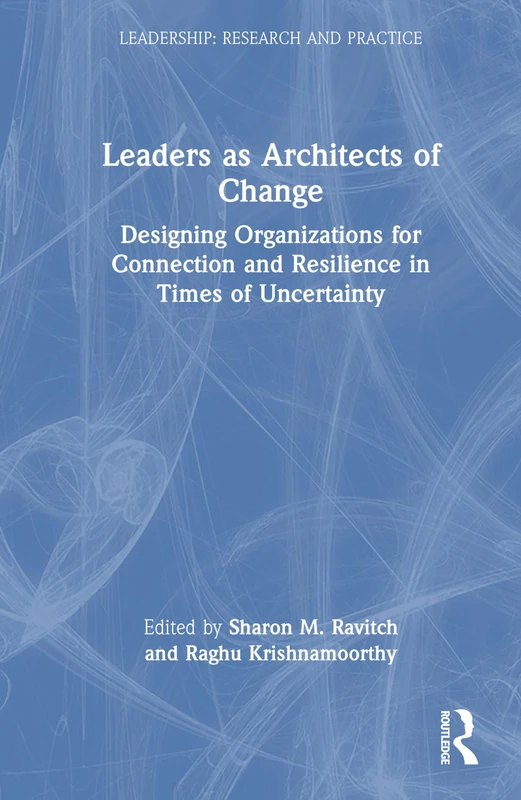
Leaders as Architects of Change: Designing Organizations for Connection and Resilience in Times of Uncertainty (Leadership: Research and Practice)
Routledge

Emotion and Early Interaction (Psychology Revivals)
Routledge