We can't find the internet
Attempting to reconnect
Something went wrong!
Hang in there while we get back on track
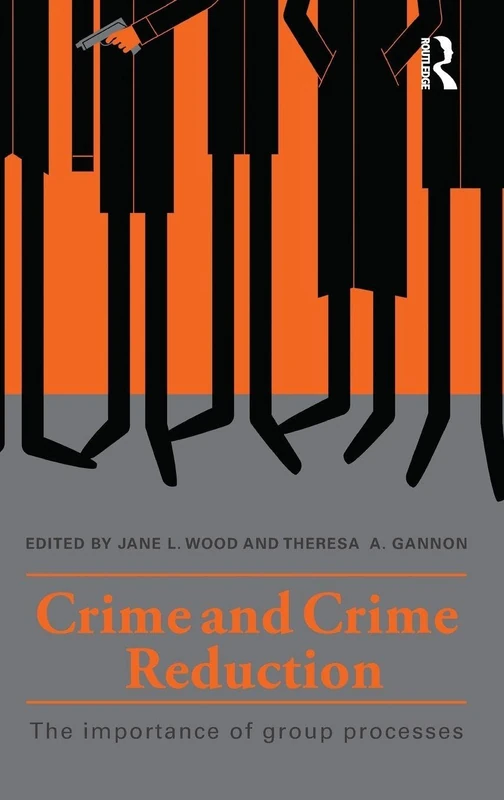
£138.00
Routledge - Crime and Crime Reduction: Group Processes Book
Price data last checked 106 day(s) ago - refreshing...
We'll watch every seller, every day. One email when your price arrives.
This is the most expensive it has ever been. Walk away.
£138 today · previous high £138 · all-time low £45
NEW HERE?
Amazon shows you one price. We show you all of them.
Tosheroon watches Amazon prices so you don't have to. Every product on Amazon has a price history — we make it visible. Set the price you'd actually pay, and we'll email you the second it gets there. No app, no account, one email.
WHAT'S ON THIS PAGE
when this has been cheap or pricey
where the price is heading next
all-time high & low, recent range
name your number, we'll email you
Price History & Forecast
Grey patches = out of stock. Cheaper = lower on the chart. Hover for exact prices.
Last 625 days • 625 data points (No recent data available)
Price Distribution
Price distribution over 625 days • 7 price levels
Price Analysis
Most common price: £45 (283 days, 45.3%)
Price range: £45 - £138
Price levels: 7 different prices over 625 days
Description
Key Features
Examines the complex relationship between group processes and criminal behavior to provide a deeper understanding of offender patterns.
Review The Austrian Dimension in German Intellectual History, convincingly written by one of the most prominent scholars of Austrian cultural history, is a fascinating story on Austrian thinking in the context of the German speaking world in Central Europe (esp. in Vienna and Prague). Its novelty lies in the description and interpretation of mostly Jewish thinkers in philosophy, the human sciences, economics, and literature from the Enlightenment to the Anschluss, on the one side, as well as in the geographical focus on the Austrian core land together with Bohemia/Moravia as part of Cisleithanian Habsburg Monarchy, on the other. This book is expected to become another milestone of comparative Austrian intellectual history up to Fin de siecleliberalism andmodernity, therebycomplementing the pathbreaking books of William Johnston, Allan Janik/Stephen Toulmin, Carl Schorske, and Steven Beller.Friedrich Stadler, Professor Emeritus of History and Philosophy of Science, University of Vienna, AustriaIn this eminently readable book David Luft, a leading American expert on modern Austrian cultural history, succeeds in moving beyond the established praise of Austria's artistic and musical achievements, especially of Vienna at 1900, and the accompanying neglect of its intellectual legacy. It is Luft's magnum opus of his life-long pursuit of clarifying the place of Austrian creativeness within the larger culture of German-speaking Central Europa. He moves with authority between the Austrian enlightenment of the eighteenth century, the underappreciated intellectual contributions of philosphers like Bolzano, Brentano, Mach, Wittgenstein and the achievements of Austrian social scientists and economists like Hayek and Schumpeter and, of course, Freud. Clarifying the concept of Austrian culture also means an extensive reckoning of its deep roots in Bohemia and Moravia and the centuries-old ties between Vienna and Prague. Luft's "Austrian dimension" is indispensable for an understanding of the intellectual history of German-speaking Central Europe.Frank Trommler, Professor Emeritus of German, University of Pennsylvania, USA Product Description Tracing Austrian intellectual life from Maria Theresa to Hitler's annexation of Austria and Czechoslovakia, this innovative book offers a precise and engaging account of Austrian intellectual history since the Enlightenment. Here, David S. Luft begins by locating his narrative in the region known as Cisleithanian Austria, the area to the west of the Leitha River that was the basis for the modern Austrian state after 1740. Chapter 2 provides a history of the German-speaking intellectual life of these central lands of the Habsburg Monarchy (Austria and Bohemia) from the Enlightenment to annexation by Nazi Germany. Chapters 3 to 5 identify the most important philosophers, writers, and social thinkers who contributed to Austrian intellectual life in the period between 1740 and 1938/1939 and address the intellectual significance of their work. Elegantly written and meticulously researched, Luft's book brings out the contributions of major figures such as Wittgenstein, Hofmannsthal, Musil, Kafka, Rilke, and Freud, but also draws attention to less well-known figures such as Bolzano, Brentano, Grillparzer, Stifter, Broch, and Hayek. About the Author David S. Luft is Horning Endowed Chair in the Humanities (Emeritus) at Oregon State University, USA. He is the author of Eros and Inwardness in Vienna: Weininger, Musil, Doderer (2003) and Robert Musil and the Crisis of European Culture: 1880-1942 (2nd Ed. 1984). He is also the editor and translator for the volume, Hugo von Hofmannsthal and the Austrian Idea: Selected Essays and Addresses, 1906-1927 (2011), as well as being on the editorial board for the Journal of Austrian Studies/Modern Austrian Literature and Culture.
Analyzes the treatment of offenders' thoughts and behavior through the lens of social group dynamics.
Addresses unanswered questions regarding the role of group membership in the development of criminal activity.
Provides a structured academic exploration of how social groups contribute to crime and crime reduction efforts.
Product Specifications
- Brand
- Routledge
- Format
- Hardcover
- ASIN
- 1848720831
- Domain
- Amazon UK
- Release Date
- 06 August 2012
- Listed Since
- 12 November 2011
Barcode
No barcode data available
Similar Products You Might Like

Crime and Crime Reduction: The importance of group processes
Routledge
The Social Psychology of Crime: Groups, Teams and Networks (Offender Profiling Series)
Routledge
Crime and Social Organization: Advances in Criminological Theory
Routledge
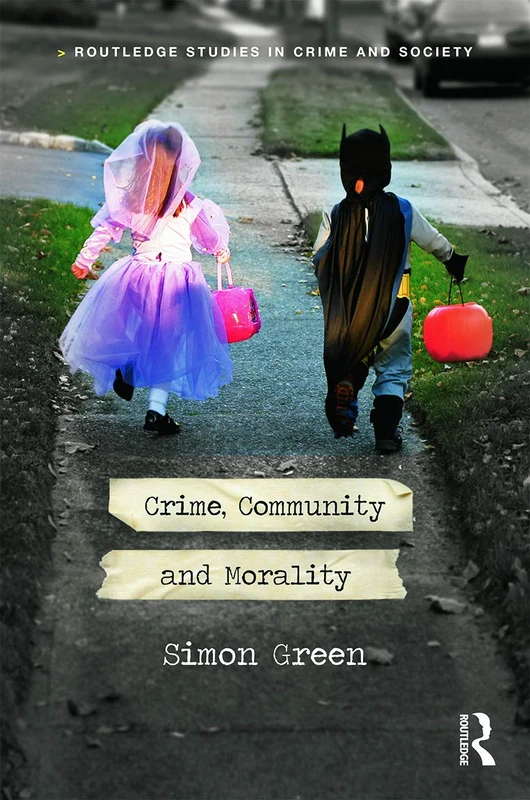
Crime, Community and Morality (Routledge Studies in Crime and Society)
Routledge

Social Bridges and Contexts in Criminology and Sociology: Reflections on the Intellectual Legacy of James F. Short, Jr. (Routledge Advances in Criminology)
Routledge
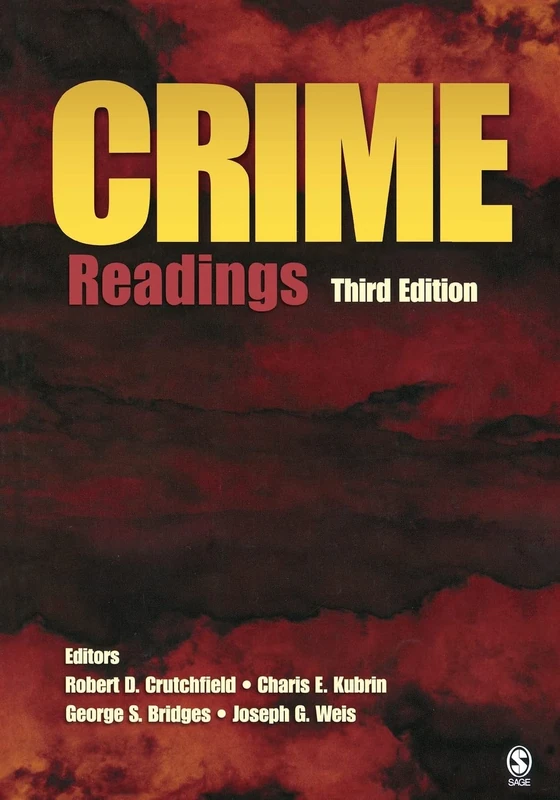
Crime: Readings
Sage Publications

Classics in Environmental Criminology
Routledge
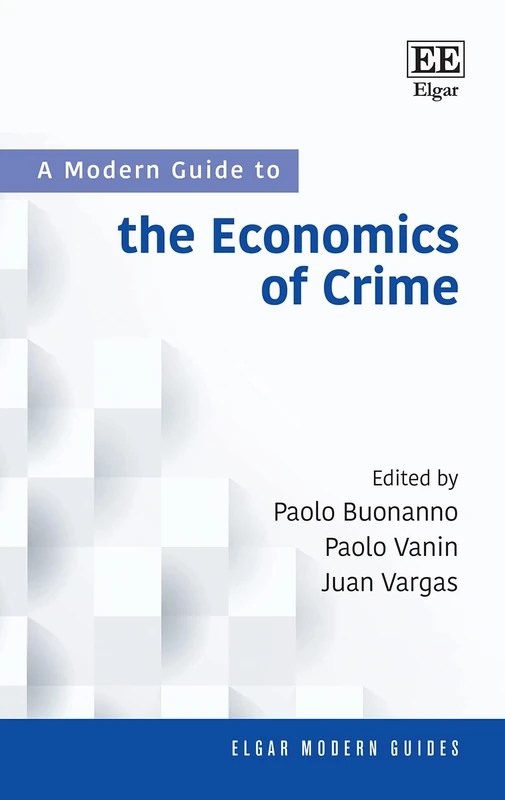
A Modern Guide to the Economics of Crime (Elgar Modern Guides)
Edward Elgar Publishing
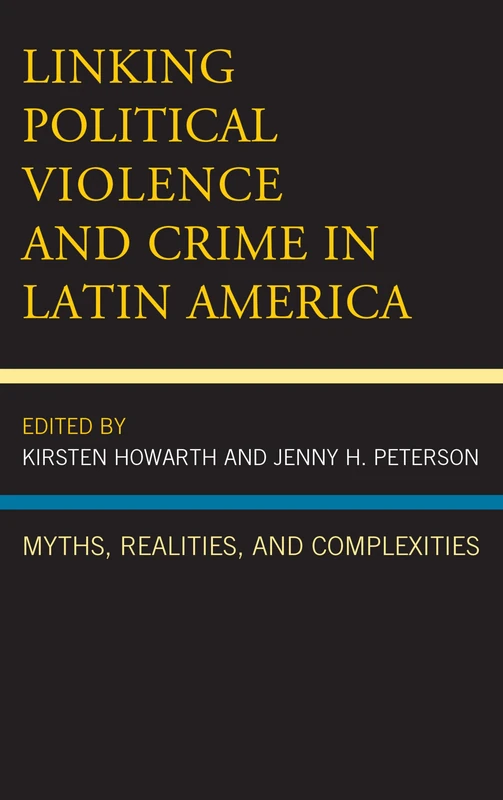
Linking Political Violence and Crime in Latin America: Myths, Realities, and Complexities (Security in the Americas in the Twenty-First Century)
Lexington Books

Crime and the Economy (Compact Criminology)
Sage Publications

Crime and Nature
Sage Publications

Gangs in America's Communities
Sage Publications
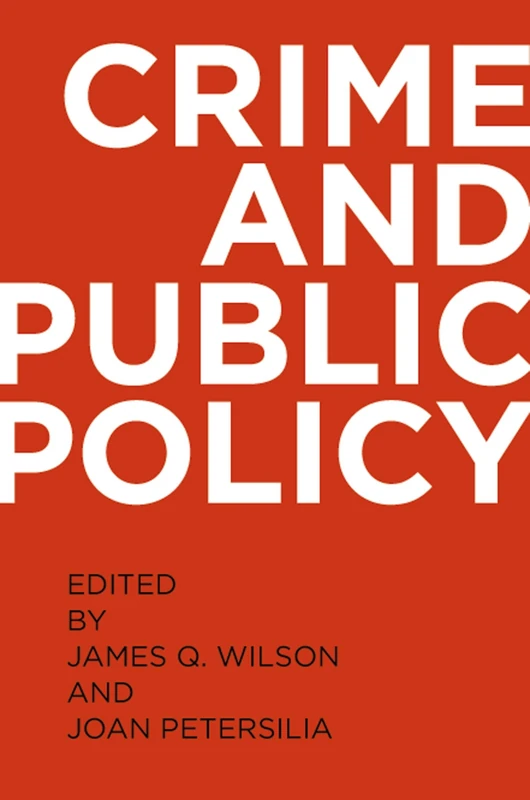
Crime and Public Policy
Oxford University Press

New Directions in Criminological Theory
Routledge
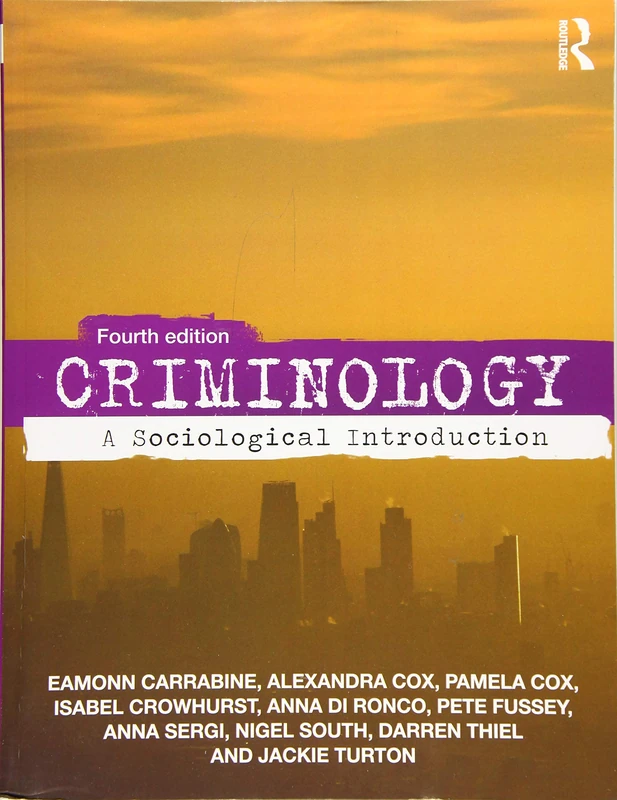
Routledge Criminology: A Sociological Introduction Textbook
Routledge

New Directions in Criminological Theory
Routledge
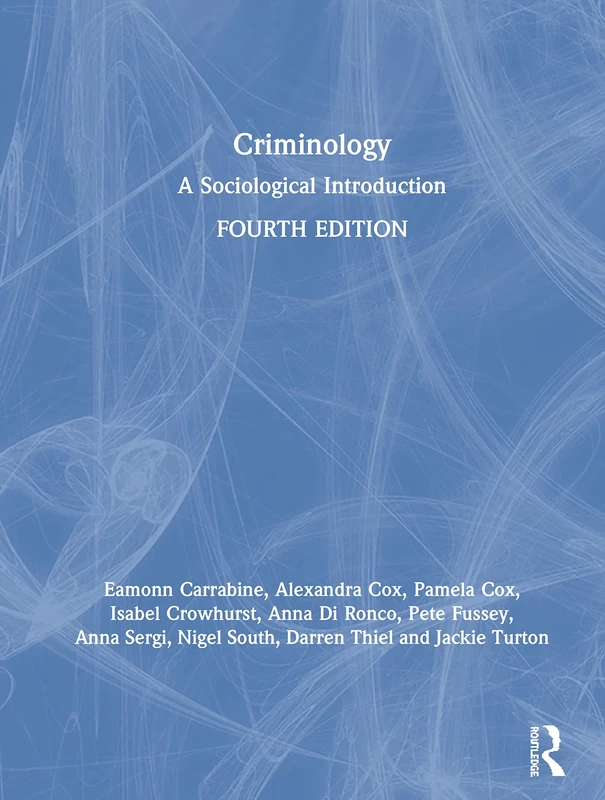
Criminology: A Sociological Introduction
Routledge
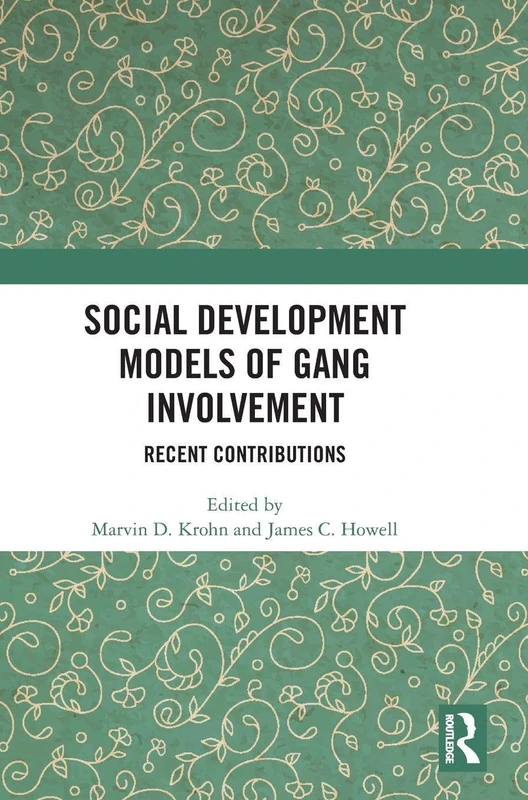
Social Development Models of Gang Involvement: Recent Contributions
Routledge
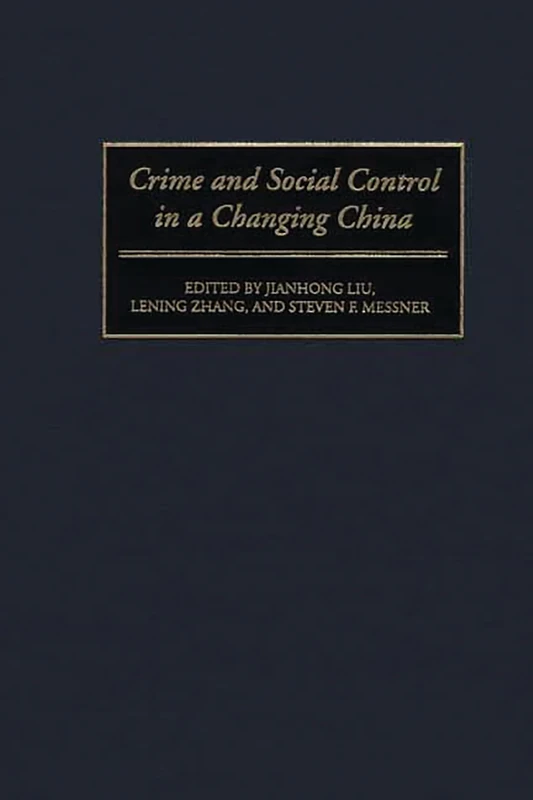
Crime and Social Control in a Changing China: 53 (Contributions in Criminology and Penology)
Bloomsbury Academic

Crime in England 1815-1880: Experiencing the criminal justice system (History of Crime in the UK and Ireland)
Routledge
Crime Prevention and Community Safety: New Directions (Published in association with The Open University)
Sage Publications
Contemporary Readings in Criminology
Sage Publications

The Oxford Encyclopedia of International Criminology
Oxford University Press
Criminal Identities and Consumer Culture: Crime, Exclusion and the New Culture of Narcissm
Routledge