We can't find the internet
Attempting to reconnect
Something went wrong
Hang in there while we get back on track
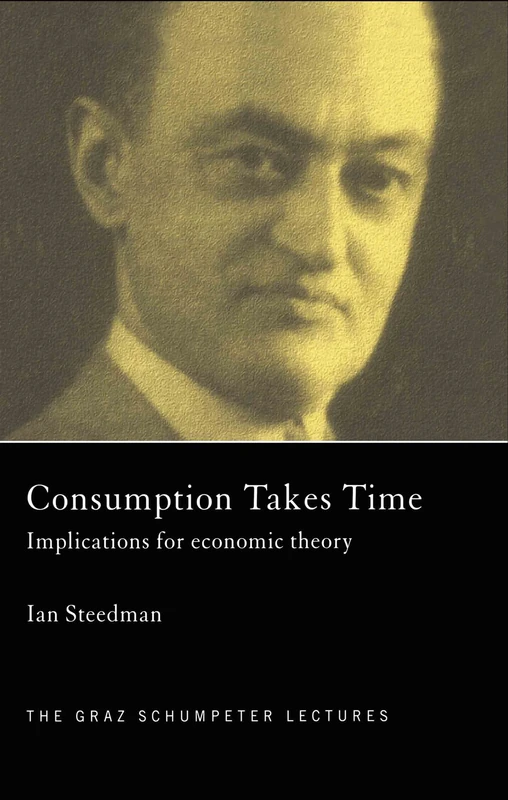
£151.23
Routledge Consumption Takes Time: Implications for Economic Theory - Routledge
Price data checked 4 days ago
We'll watch every seller, every day. One email when your price arrives.
This is the most expensive it has ever been. Walk away.
£151 today · previous high £151 · all-time low £137
NEW HERE?
Amazon shows you one price. We show you all of them.
Tosheroon watches Amazon prices so you don't have to. Every product on Amazon has a price history — we make it visible. Set the price you'd actually pay, and we'll email you the second it gets there. No app, no account, one email.
WHAT'S ON THIS PAGE
when this has been cheap or pricey
where the price is heading next
all-time high & low, recent range
name your number, we'll email you
Price History & Forecast
Grey patches = out of stock. Cheaper = lower on the chart. Hover for exact prices.
Last 87 days · 87 data points (no recent data)
Price Distribution
Price distribution over 87 days • 2 price levels
Price Analysis
Most common price: £137 (70 days, 80.5%)
Price range: £137 - £151
Price levels: 2 different prices over 87 days
Description
Key Features
Explores the role of time constraints in consumer behavior to supplement traditional economic models based on income and price.
Part of the respected Graz Schumpeter Lectures series published by Routledge.
Analyzes the balance between money and time, addressing the reality of being money-rich but time-poor.
Provides a new perspective on how the 168-hour weekly limit affects economic decision-making processes.
Offers deep insights into the dual constraints of expenditure and time on modern consumers.
Product Specifications
- Brand
- Routledge
- Format
- hardcover
- ASIN
- 0415250994
- Category
- Books > Subjects > Business, Finance & Law > Biographies & Histories > Business & Economic History
- Domain
- Amazon UK
- Release Date
- 29 March 2001
- Listed Since
- 08 February 2007
Barcode
No barcode data available
Similar Products You Might Like

The Internal Structure of U. S. Consumption Expenditures
Springer

Consumer Capitalism: 87 (Routledge Frontiers of Political Economy)
Routledge

Oxford Handbook of the History of Consumption - Oxford Press
Oxford University Press

Routledge - The Changing Consumer: Markets and Meanings
Routledge

Conversations on Consumption
Routledge

Beyond the Consumption Bubble (Routledge Interpretive Marketing Research)
Routledge
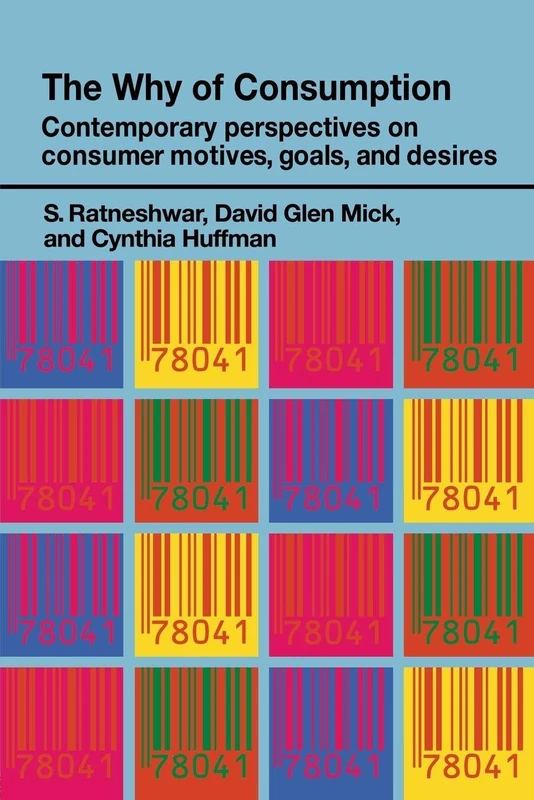
The Why of Consumption: Contemporary Perspectives on Consumer Motives, Goals and Desires (Routledge Interpretive Marketing Research)
Routledge

Oxford Handbook of Consumption - Oxford University Press
Oxford University Press
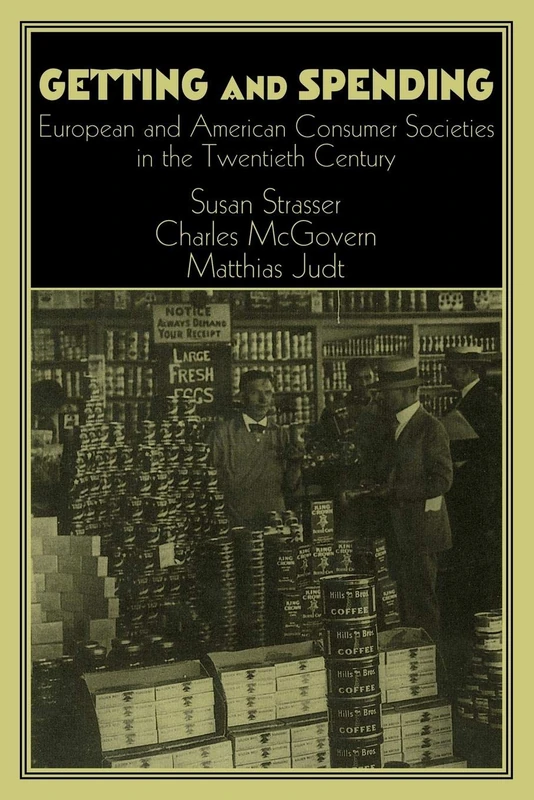
Getting and Spending: European and American Consumer Societies in the Twentieth Century (Publications of the German Historical Institute)
Cambridge University Press

Consuming Knowledge: Studying Knowledge Use in Leisure and Work Activities
Springer

Multifaceted Explorations of Consumer Culture and Its Impact on Individuals and Society
Business Science Reference
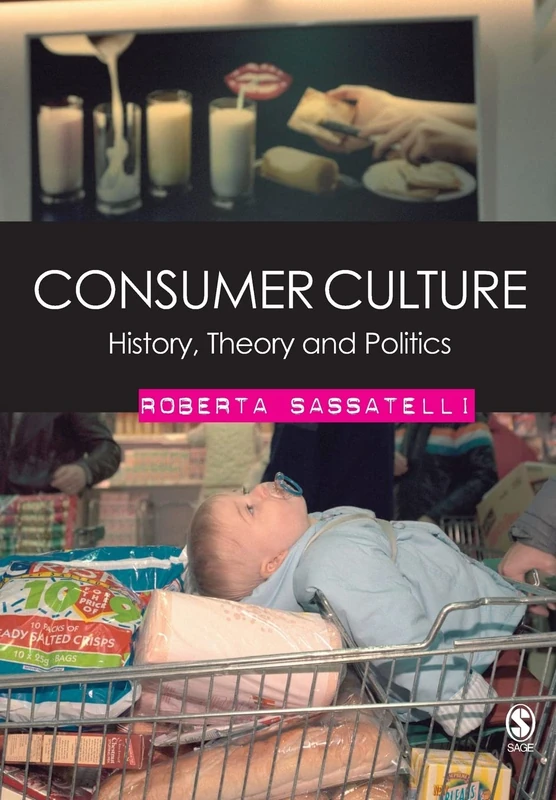
Consumer Culture: History, Theory and Politics
Sage Publishing

Konsum im 19. und 20. Jahrhundert (Handbücher Zur Wirtschaftsgeschichte)
De Gruyter Oldenbourg

Being Human in a Consumer Society (Classical and Contemporary Social Theory)
Routledge

Consumption and Market Society in Israel
Bloomsbury
Routledge Advances in Household Economics and Consumer Behaviour
Routledge
The Present State of Consumer Theory: The Implications for Social Welfare Theory (Key Concepts in Philosophy)
Bloomsbury Academic
Consumer Economics: Issues and Behaviors: United States Edition
PEARSON EDUCATION
Price unavailable
A System-Wide Analysis of International Consumption Patterns: 29 (Advanced Studies in Theoretical and Applied Econometrics, 29)
Springer