Saxophone greats Eric Alexander and Vincent Herring reunite for their powerhouse third album, recorded live at SMOKE Jazz Club, featuring Mike LeDonne, John Webber, and Lewis Nash *** Split Decision, out August 22 on SMOKE Sessions Records, celebrates the 20th anniversary of their first saxophone battle 20 years after they first went head-to-head on stage in 2005, saxophone heavy-hitters Eric Alexander and Vincent Herring square off once again for a long-anticipated rematch. Due out August 22, 2025, via SMOKE Sessions Records, the ferocious swing and robust melodicism of Split Decision is the third in a trilogy of blistering summit concerts captured in front of a live audience on stage at SMOKE Jazz Club. While the 2005 “The Battle†concert series evoked the antagonistic tradition of cutting contests and sax duels, Alexander and Herring’s second meeting, “Friendly Fire†in 2011, suggested that its heated exchanges were at least on amiable terms. The latter was recorded and subsequently released on HighNote Records in 2012. With the third match-up “Split Decision†in July 2024, the pair has reached a musical détente, two masters meeting on equal terms, with “victory†merely a question of personal taste rather than virtuosic one-upmanship. “When you get to the level that Vincent and the musicians we’re playing with are at,†Alexander says, “assessing their worth compared to one another is absolutely subjective. When I play next to Vincent, I know I have to mind my Ps and Qs because if you start misfiring, you’re going to get overrun. For some musicians, that’s very intimidating. Personally, I just try to keep the bar high, and when you play with somebody like Vincent, the bar is way up there.†“We have great rapport with each other,†Herring adds. “Eric is an amazing virtuoso and a master of melody. He’s very humble, but he is an exceptional musician, without a doubt. Playing with him is always inspirational for me.†There’s also ample inspiration to be had when you’re working with the caliber of rhythm section that Alexander and Herring enlisted for these dates. Pianist Mike LeDonne and bassist John Webber reprise their roles from the two previous recordings captured at SMOKE. (One other Alexander/Herring recording, In the Spirit of Coltrane and Cannonball (2012), was recorded on a European tour featuring a different quintet that included Alexander’s mentor, the late Harold Mabern.) This time around, they’re joined by the legendary Lewis Nash on drums. “I enjoy hearing each guy in the band as much as I enjoy playing myself,†Herring enthuses. “On any given night, on any given tune, Mike could blow us both away. He’s a tremendous musician. John Webber is an incredibly underrated player, and Lewis Nash is known as the top of the heap.†Less than five years separate the two saxophonists, but Herring was already an established name in NYC jazz when Alexander arrived on the scene in 1991, having worked with such legends as Nat Adderley, Freddie Hubbard, Cedar Walton, and Horace Silver. “I’ve been an admirer of Eric’s ever since I first heard him play,†Herring says. “The way he plays is stylistically and philosophically similar to how I hear music.†Fresh from the 1991 Thelonious Monk International Saxophone Competition, where he’d placed second to Joshua Redman, Alexander was fast being recognized as one of the leading tenor voices of his generation, embarking on collaborations with Mabern, Charles Earland, and Cecil Payne, and forging formative relationships with peers such as Joe Farnsworth, Steve Davis, David Hazeltine, and the late Jim Rotondi. The two first shared the stage in 1997 when Herring called Alexander for a tour of Japan with a band dubbed The Young Lions, which featured an all-star sax frontline with Bob Berg and Donald Harrison, with the rhythm section of pianist Joey Calderazzo, bassist Richie Goods, and drummer Ali Jackson. Discovering the intense chemistry generated by the pairing of Herring’s alto with Alexander’s tenor, the two quickly decided to match wits for a recording. The locale was a no-brainer – both men have considered SMOKE Jazz Club one of their home bases over the years, with Alexander enjoying a history with the club that dates back to its earlier incarnation as Augie’s and now stretches through three decades and two major renovations. “It started out as a college dive bar and now it’s a real destination club,†Alexander marvels. Herring echoes the sentiment: “It went from the little engine that could to a significant player in the business. SMOKE Jazz Club is one of the best places you can play in New York City – or in the world.†Beyond the sentimental associations, Alexander asserts that the sonic environment is ideal for a live recording. “The sound that they get live in the room is head-and-shoulders above almost any club I’ve ever played. They’re really able to capture an
![Split Decision [VINYL] - Image 1](/uploads/images/products/2/B0FCSGQ83N/38cd47d6-fd8b-41b4-ac2c-08f9f6040af5.webp)
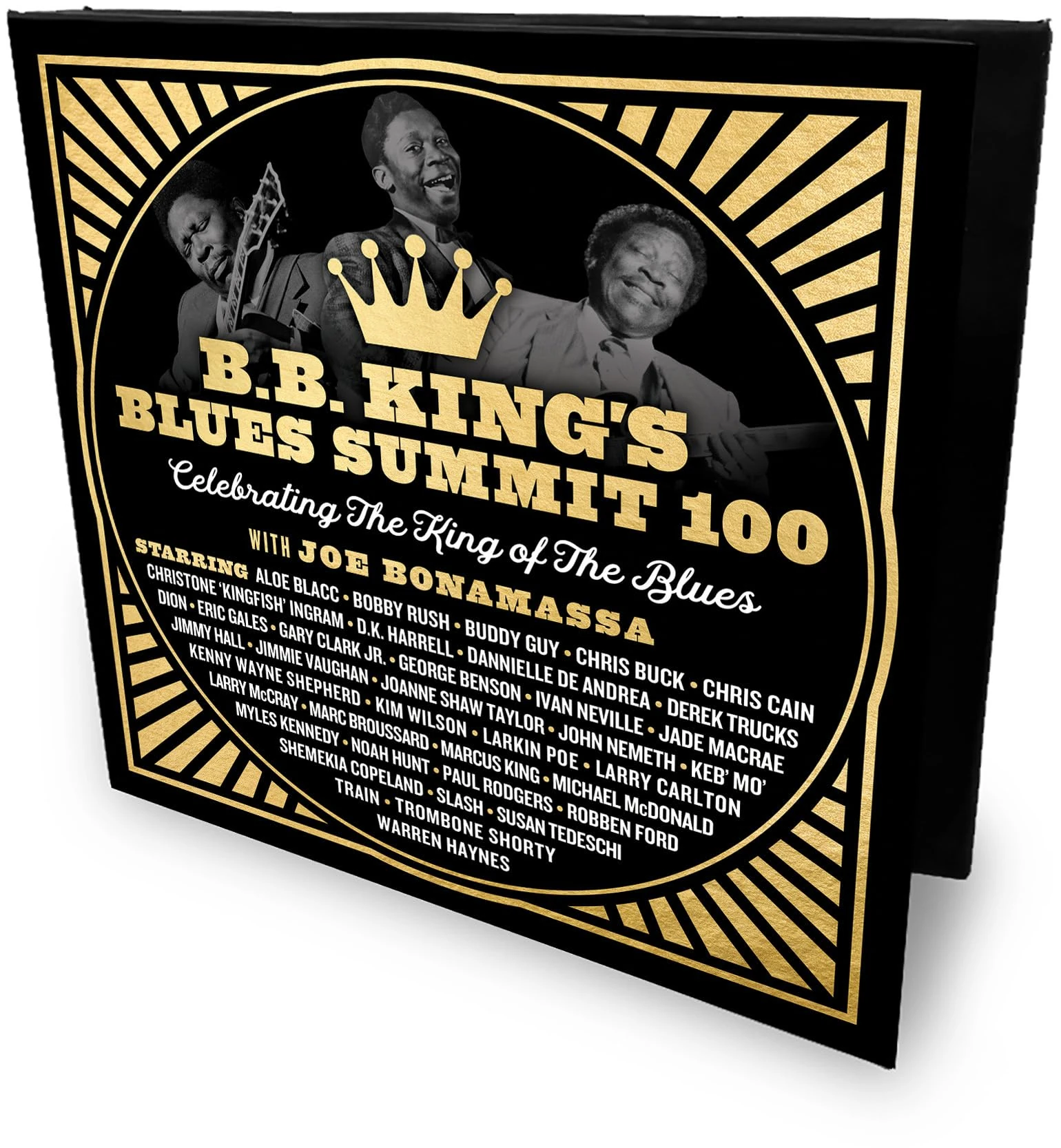
![B.B. King's Blues Summit 100 : 3LP [VINYL]](/uploads/images/products/2/B0FR55XQJ6/0b83cb03-686d-44b7-8b86-c444b8a028e2.webp)
![Last Dance (180g Vinyl) [VINYL]](/uploads/images/products/2/B00K214XI2/aa3039f8-d13e-41ab-ab84-2abd2f2100d1.webp)

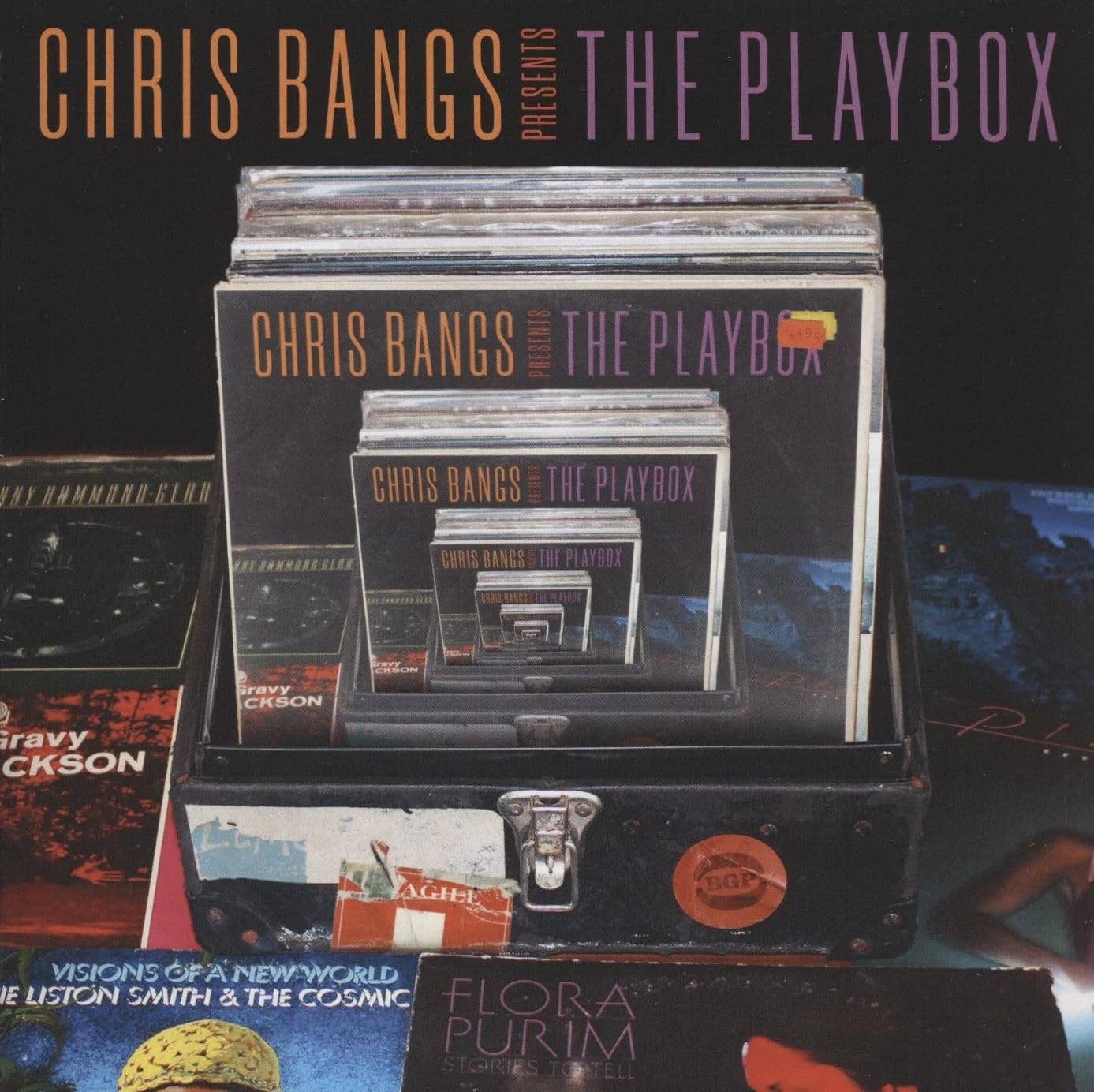
![Chris Bangs Presents The Playbox [VINYL]](/uploads/images/products/2/B0F5BS17LD/8d73b4b2-8ae2-4ec5-a010-4f9d173e69ad.webp)


![Indigo [VINYL]](/uploads/images/products/2/B0BRSZDPFF/fc29c611-72a3-433d-87d1-418b20ab7b33.webp)
![Live [VINYL]](/uploads/images/products/2/B0CC9R1JH3/ff82c3b9-a9b7-4f75-96ff-42920057f2d0.webp)
![St. Paul & The Broken Bones [VINYL]](/uploads/images/products/2/B0FH5DHLHV/5313aa8b-377e-428c-ab26-320f9d0a9712.webp)
![Walkin', Cookin', Relaxin', Workin', Steamin' [5LP Vinyl Box Set] [VINYL]](/uploads/images/products/2/B0BN6N1QPV/de66d628-8441-4344-9c6e-23ee9516e4c4.webp)
![Somethin' Else [VINYL]](/uploads/images/products/2/B09Q8YMC2F/61a5e309-6ea2-45ae-8aa5-6d2dee3f7c3d.webp)
![Recorded Live On Stage... [VINYL]](/uploads/images/products/2/B0FTGH9YGN/1b54df3e-2874-4255-bc17-b104001180b8.webp)
![Ride Hard Ride Free [VINYL]](/uploads/images/products/2/B0C1HQV4ZV/ddc21bfb-3171-4b3d-b35b-571c058a06a3.webp)
![Mood [VINYL]](/uploads/images/products/2/B07KZY8QQM/df97038f-4556-4b71-81cb-ee7c6ad953b8.webp)
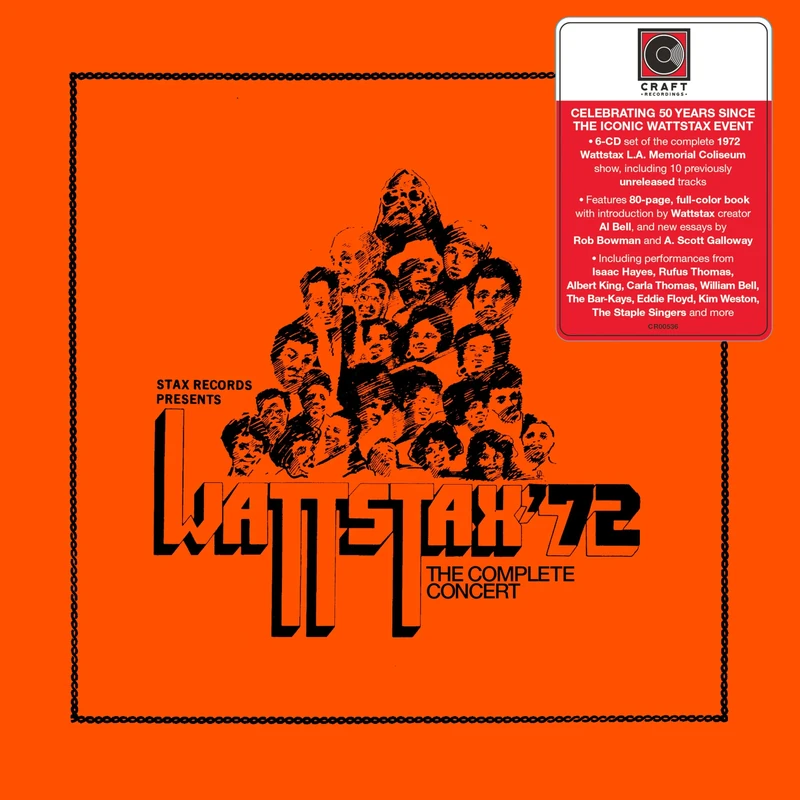
![Wattstax: The Complete Concert [VINYL]](/uploads/images/products/2/B0BN2R2KY5/a671494a-697e-4269-8719-c5cc09ab6eaf.webp)