We can't find the internet
Attempting to reconnect
Something went wrong
Hang in there while we get back on track
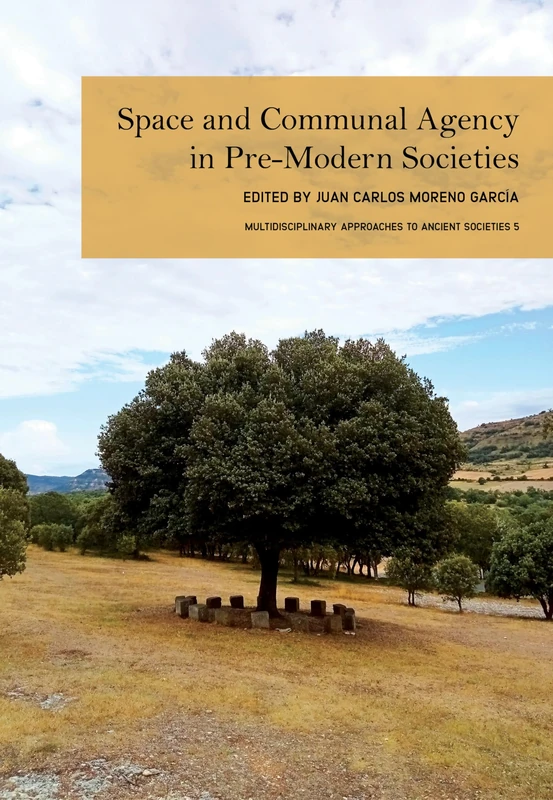
£38.67
Casemate Space and Communal Agency in Pre-Modern Societies (Multidisciplinary Approaches to Ancient Societies (Matas))
Price data last checked 32 day(s) ago - refreshing...
We'll watch every seller, every day. One email when your price arrives.
This is the most expensive it has ever been. Walk away.
£39 today · previous high £39 · all-time low £39
NEW HERE?
Amazon shows you one price. We show you all of them.
Tosheroon watches Amazon prices so you don't have to. Every product on Amazon has a price history — we make it visible. Set the price you'd actually pay, and we'll email you the second it gets there. No app, no account, one email.
WHAT'S ON THIS PAGE
when this has been cheap or pricey
where the price is heading next
all-time high & low, recent range
name your number, we'll email you
Price History & Forecast
Grey patches = out of stock. Cheaper = lower on the chart. Hover for exact prices.
Last 59 days · 59 data points (no recent data)
Price Distribution
Price distribution over 59 days • 1 price levels
Price Analysis
Most common price: £39 (59 days, 100.0%)
Price range: £39 - £39
Price levels: 1 different prices over 59 days
Description
Key Features
New Store Stock
Product Specifications
- Brand
- Casemate
- Format
- hardcover
- ASIN
- B0DHT3BB7T
- Category
- Books > Subjects > Politics, Philosophy & Social Sciences > Social Sciences > Cultural Studies
- Domain
- Amazon UK
- Release Date
- 15 April 2025
- Listed Since
- 27 September 2024
Barcode
No barcode data available
Similar Products You Might Like
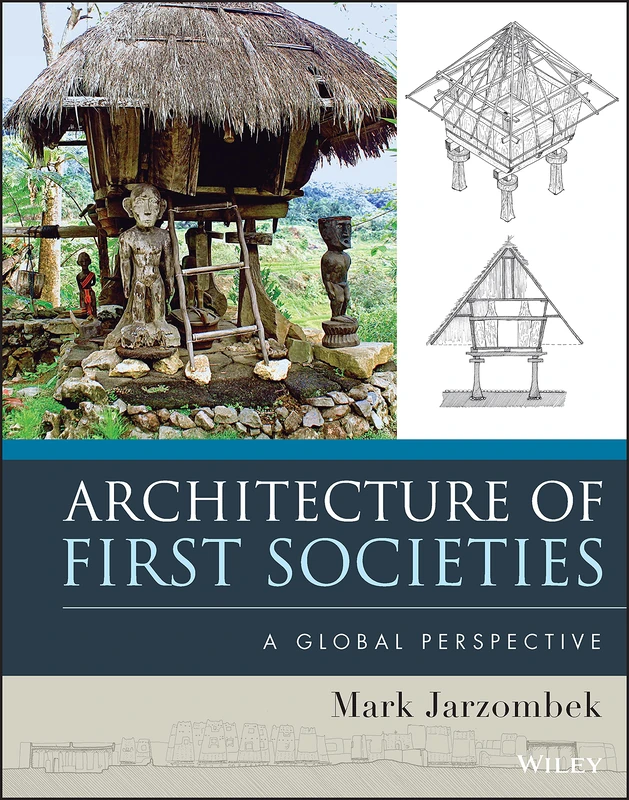
Architecture of First Societies: A Global Perspective
Wiley
Routledge Making Sense of Monuments - Archaeology Study
Routledge

The Archaeology of Communities: A New World Perspective
Routledge
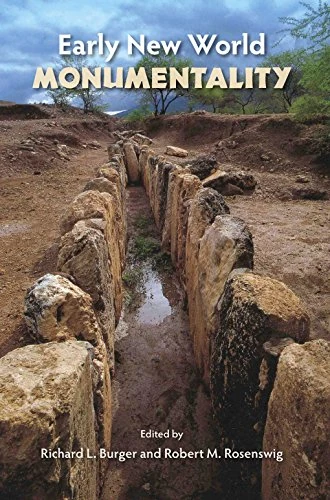
Early New World Monumentality
University Press of Florida
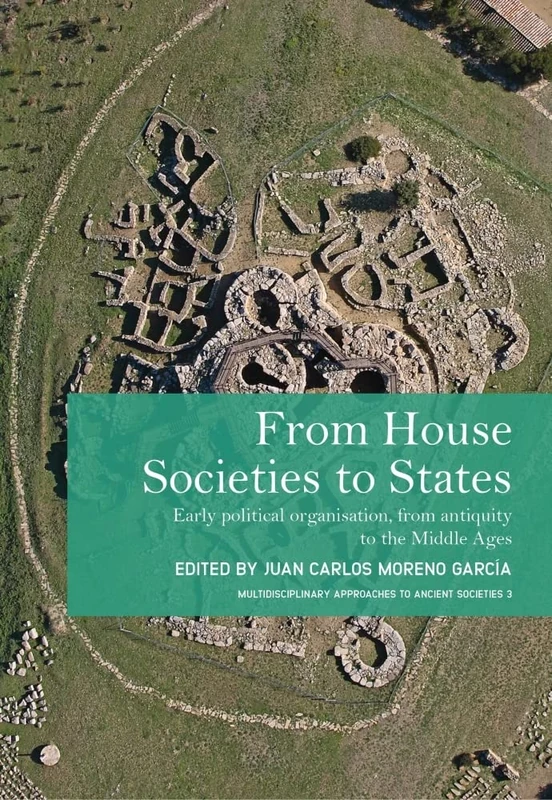
From House Societies to States: Early Political Organisation, From Antiquity to the Middle Ages: 3 (Multidisciplinary Approaches to Ancient Societies (MAtAS))
Oxbow Books

Mediterranean Urbanization 800-600 BC: MEDITERRANEAN URBANIZ C: 126 (Proceedings of the British Academy)
Oxford University Press

Dynamic Interpretation of Early Cities in Ancient China
Springer
Social Complexity and Complex Systems in Archaeology
Routledge
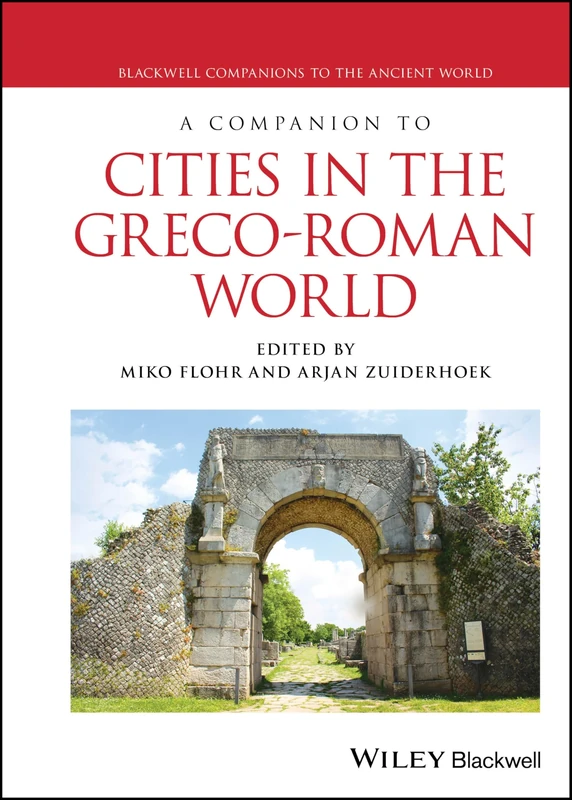
A Companion to Cities in the Greco-Roman World (Wiley Companions to the Ancient World)
Wiley

New Materialisms Ancient Urbanisms
Routledge

Monumentalising Life in the Neolithic: Narratives of Change and Continuity
Oxbow Books
Knowledge Networks and Craft Traditions - Ancient World
Routledge
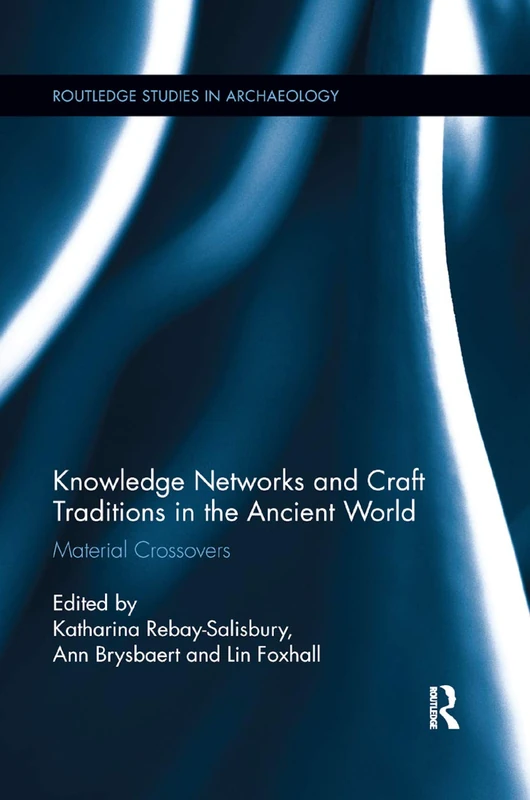
Knowledge Networks and Craft Traditions in the Ancient World: Material Crossovers (Routledge Studies in Archaeology)
Routledge

Shaping Cultural Landscapes: Connecting Agriculture, Crafts, Construction, Transport, and Resilience Strategies
J.Lindeberg

A Study of Prehistoric Settlement Patterns in China
Springer
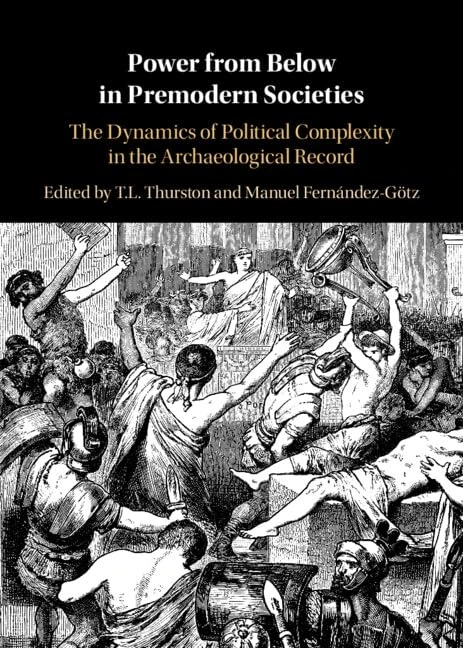
Power from Below in Premodern Societies: The Dynamics of Political Complexity in the Archaeological Record
Cambridge University Press
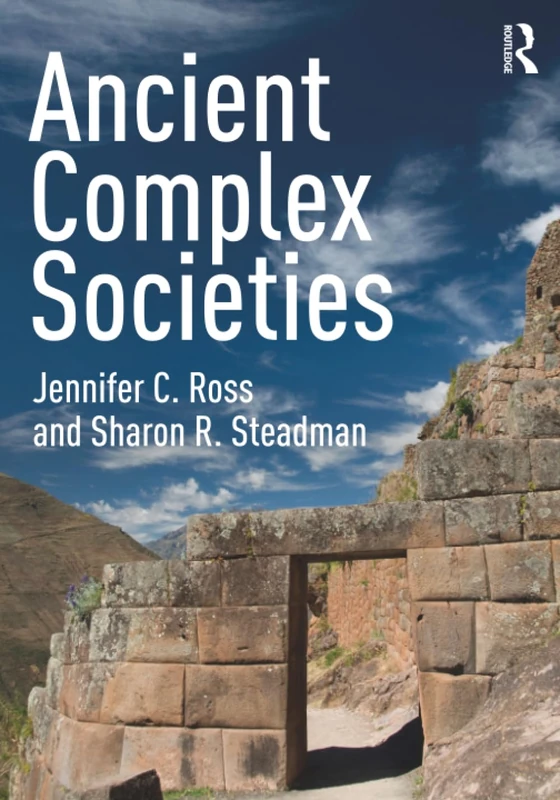
Ancient Complex Societies
Routledge
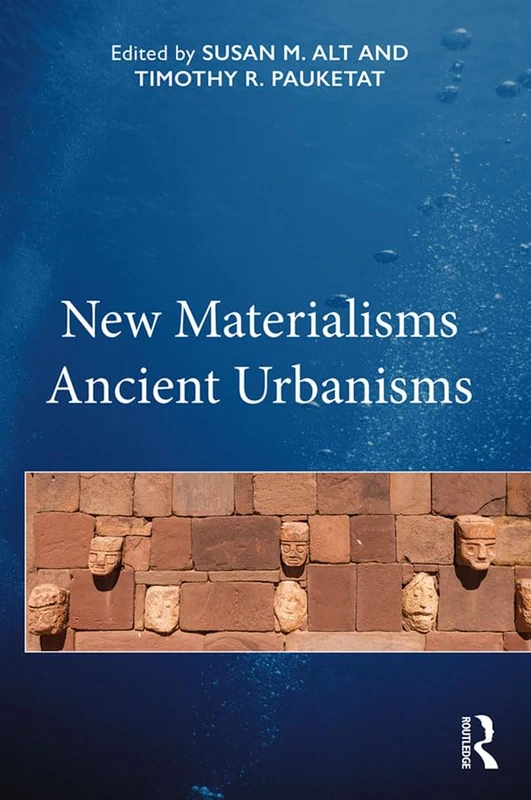
New Materialisms Ancient Urbanisms
Routledge
M² Models and Methodologies for Community Engagement
Springer
M² Models and Methodologies for Community Engagement
Springer
Everyday Objects: Medieval and Early Modern Material Culture
Routledge

Everyday Objects: Medieval and Early Modern Material Culture and its Meanings
Routledge
Cultural Commons and Urban Dynamics: A Multidisciplinary Perspective
Springer

The Routledge Handbook of Material Culture in Early Modern Europe (Routledge History Handbooks)
Routledge