We can't find the internet
Attempting to reconnect
Something went wrong
Hang in there while we get back on track
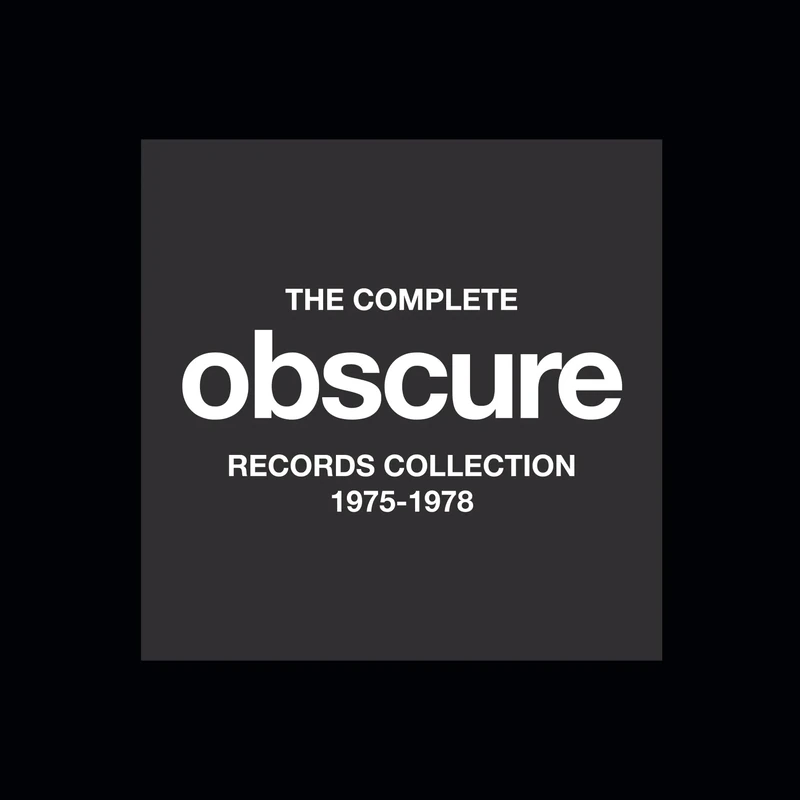
£164.80
Zach Top The Complete Obscure Records Collection
Cd Boxset
Price data last checked 32 day(s) ago - refreshing...
We'll watch every seller, every day. One email when your price arrives.
This is the most expensive it has ever been. Walk away.
£165 today · previous high £165 · all-time low £164
NEW HERE?
Amazon shows you one price. We show you all of them.
Tosheroon watches Amazon prices so you don't have to. Every product on Amazon has a price history — we make it visible. Set the price you'd actually pay, and we'll email you the second it gets there. No app, no account, one email.
WHAT'S ON THIS PAGE
when this has been cheap or pricey
where the price is heading next
all-time high & low, recent range
name your number, we'll email you
Price History & Forecast
Grey patches = out of stock. Cheaper = lower on the chart. Hover for exact prices.
Last 24 days · 24 data points (no recent data)
Price Distribution
Price distribution over 24 days • 1 price levels
Price Analysis
Most common price: £165 (24 days, 100.0%)
Price range: £165 - £165
Price levels: 1 different prices over 24 days
Description
Key Features
Brian Eno
Product Specifications
- Brand
- Zach Top
- Colour
- Cd Boxset
- Format
- audioCD
- Pack Size
- 10 items
- ASIN
- B0CLDYXXHP
- Category
- CDs & Vinyl > Styles
- Domain
- Amazon UK
- Release Date
- 15 December 2023
- Listed Since
- 27 October 2023
Barcode
No barcode data available
Similar Products You Might Like
![The Complete Obscure Records Collection [VINYL]](/uploads/images/products/2/B0CLF25RXF/988c8735-1281-413a-8962-326053651186.webp)
The Complete Obscure Records Collection [VINYL]
Zach Top
The Art of David Tudor
New World
M/E/A/N/I/N/G: An Anthology of Artists' Writings, Theory, and Criticism
Duke University Press
Hybrid Practices: Art in Collaboration with Science and Technology in the Long 1960s
University of California Press
The Whistling Blackbird: Essays and Talks on New Music: 80 (Eastman Studies in Music)
University of Rochester Press
Mountain Lake Symposium and Workshop: Art in Locale
University of Virginia Press
Routledge - Silence, Music, Silent Music - Academic Book
Routledge
Bloomsbury Academic - Semi-Conducting: Rambles Through Thicket
Bloomsbury Academic
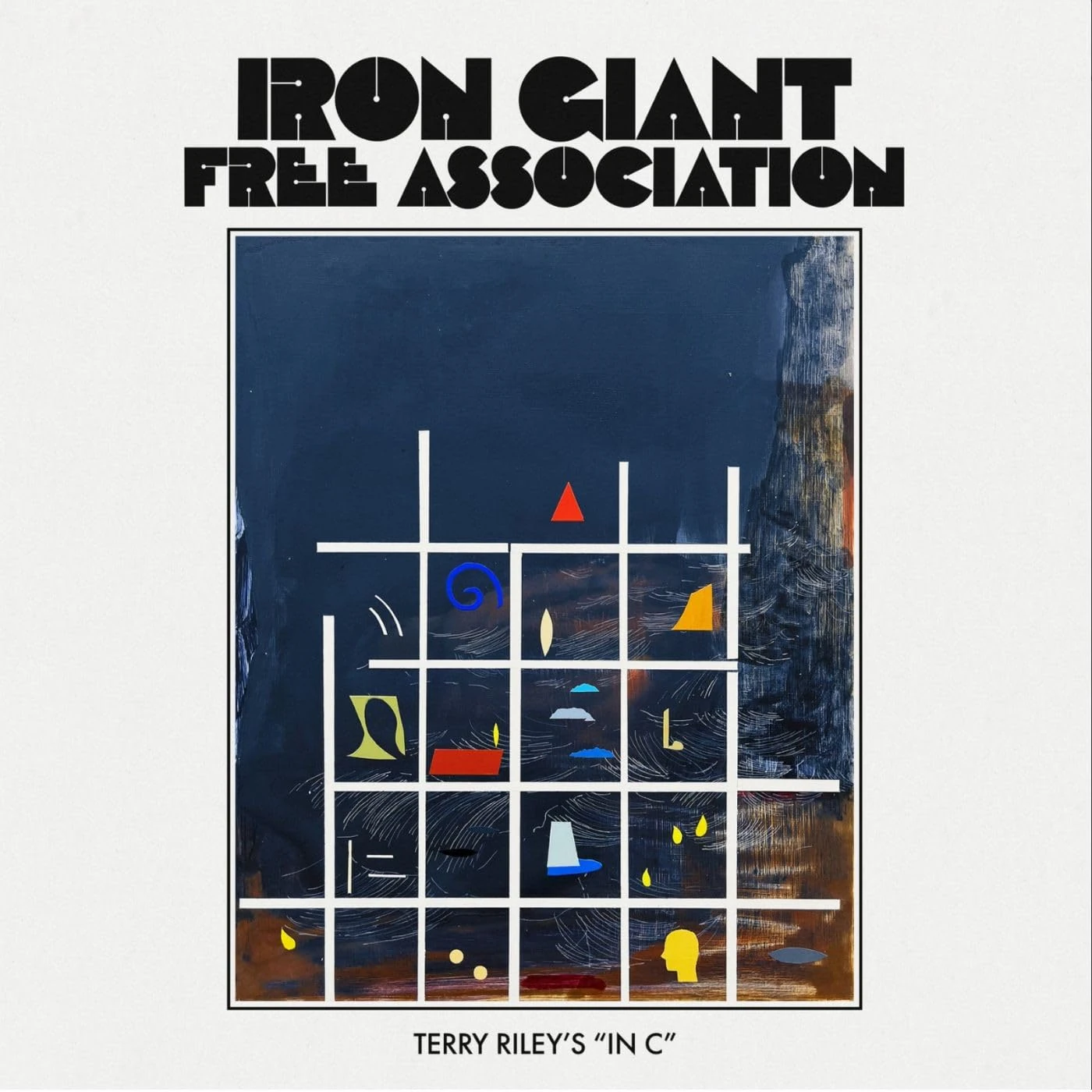
Earth Libraries Terry Riley's In C - Vinyl Record
Earth Libraries
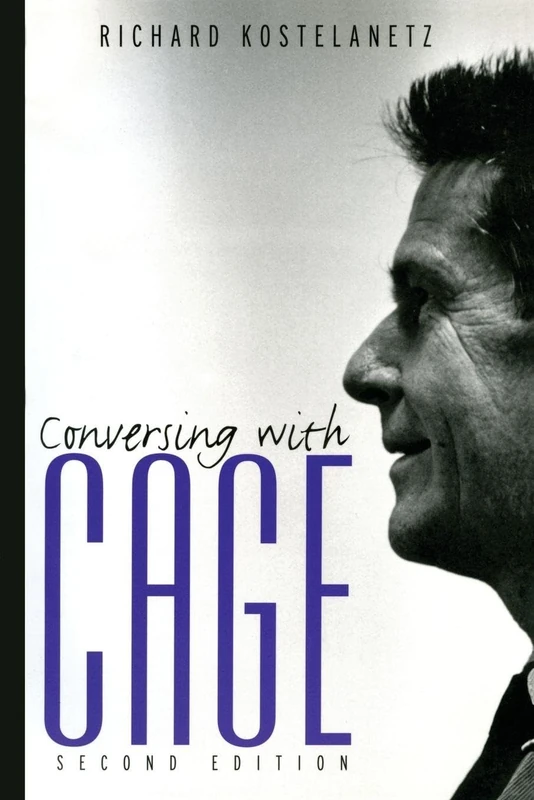
Conversing with Cage
Routledge
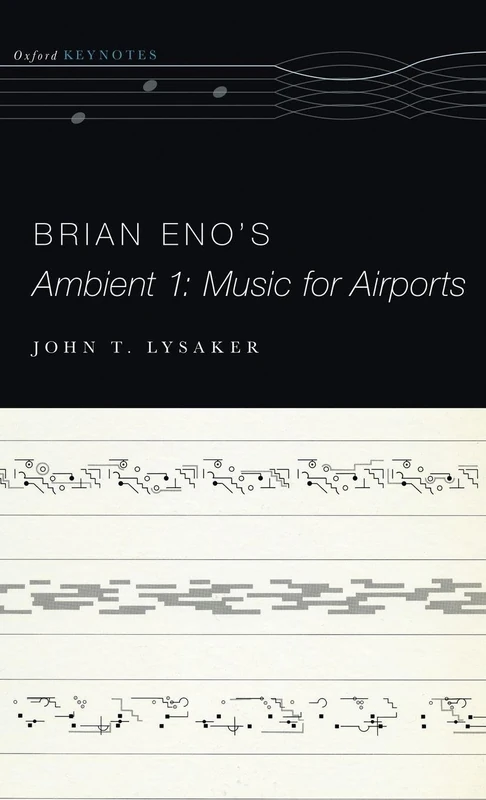
Brian Eno's Ambient 1: Music for Airports (The Oxford Keynotes Series)
Oxford University Press
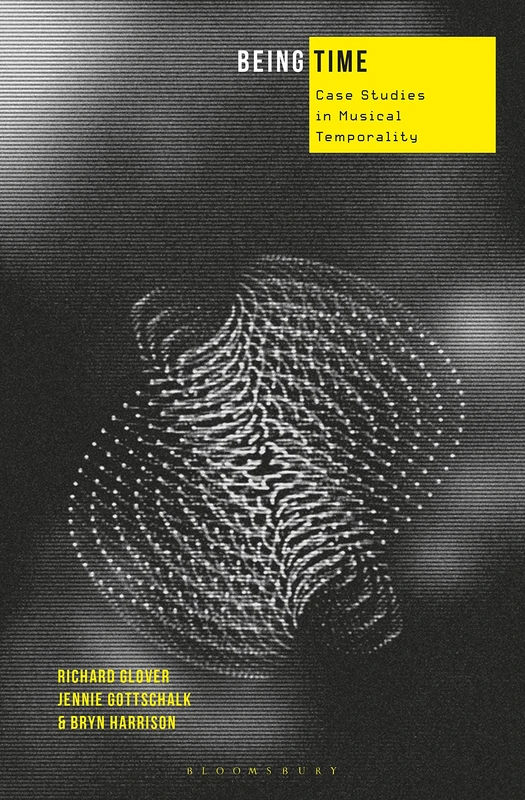
Being Time: Case Studies in Musical Temporality
Bloomsbury
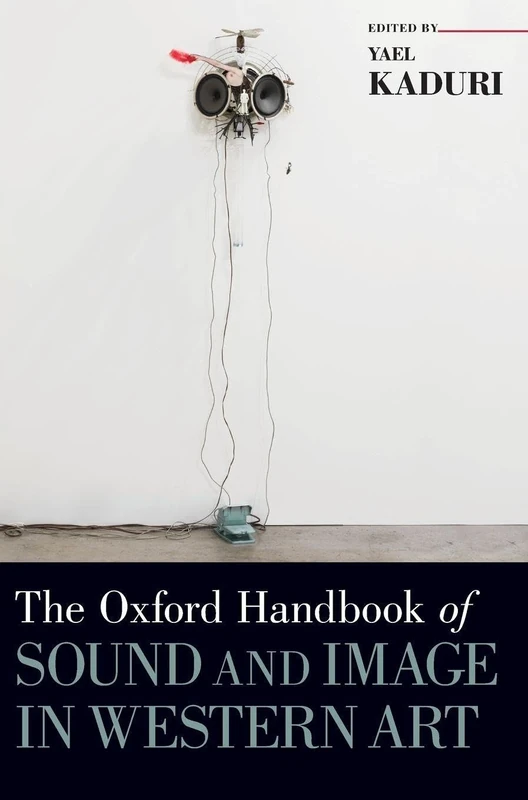
The Oxford Handbook of Sound and Image in Western Art
Oxford University Press
![Weltformat (Clear Vinyl) [VINYL]](/uploads/images/products/2/B082PQRHXK/4b9ce5ca-981f-4dca-9e02-6b73ba3dd3b4.webp)
Weltformat (Clear Vinyl) [VINYL]
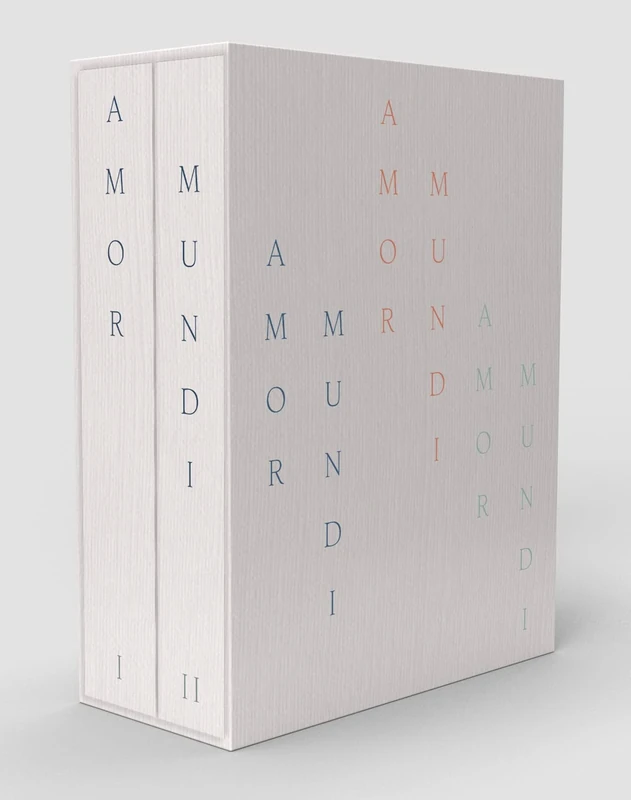
Amor Mundi: The Collection of Marguerite Steed Hoffman
Ridinghouse

New Music at Darmstadt: Nono, Stockhausen, Cage, and Boulez (Music since 1900)
Cambridge University Press

New Music, New Allies: American Experimental Music in West Germany from the Zero Hour to Reunification: 4 (California Studies in 20th-Century Music)
University of California Press
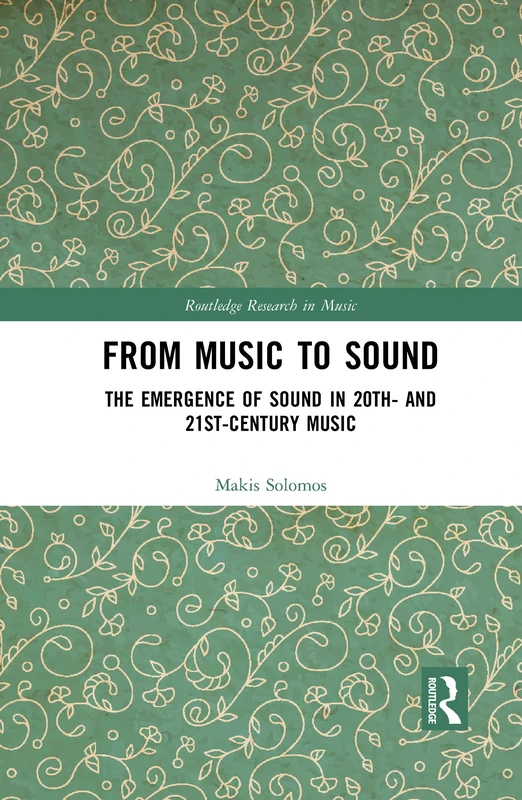
From Music to Sound: The Emergence of Sound in 20th- and 21st-Century Music (Routledge Research in Music)
Routledge
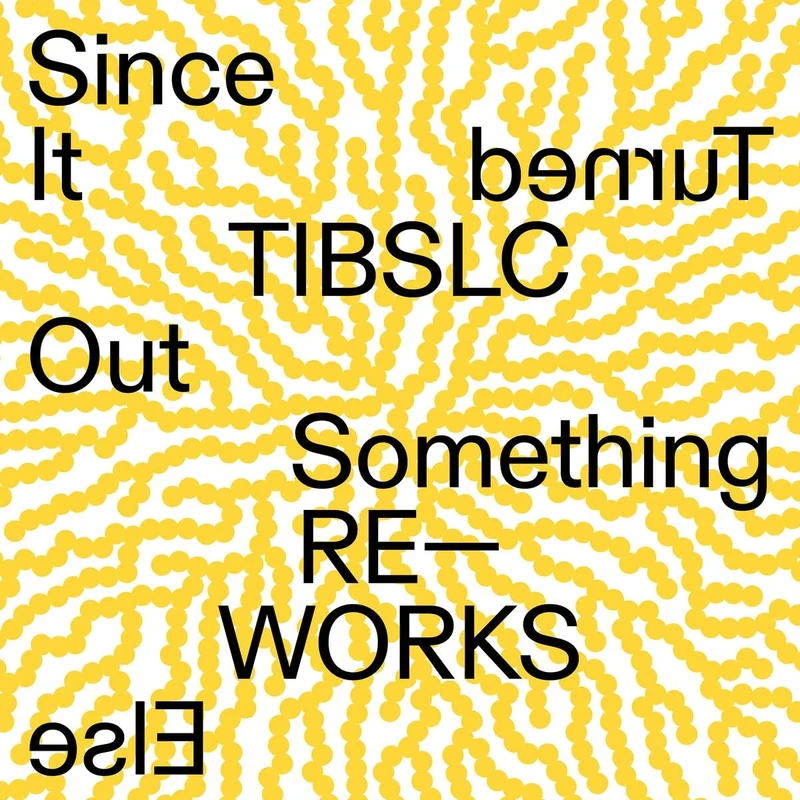
TIBSLC Re-works of Since It Turned Out Something Else Vinyl
CONSTRUCTIVE MUSIC
Zimoun: A Selection of Installations 2009–2021
Scheidegger & Spiess
Singing the Body Electric: The Human Voice and Sound Technology
Routledge
Terry Riley's in C (Studies in Musical Genesis, Structure & Interpretation)
Oxford University Press
Sound Art: Sound as a Medium of Art (The MIT Press)
MIT Press
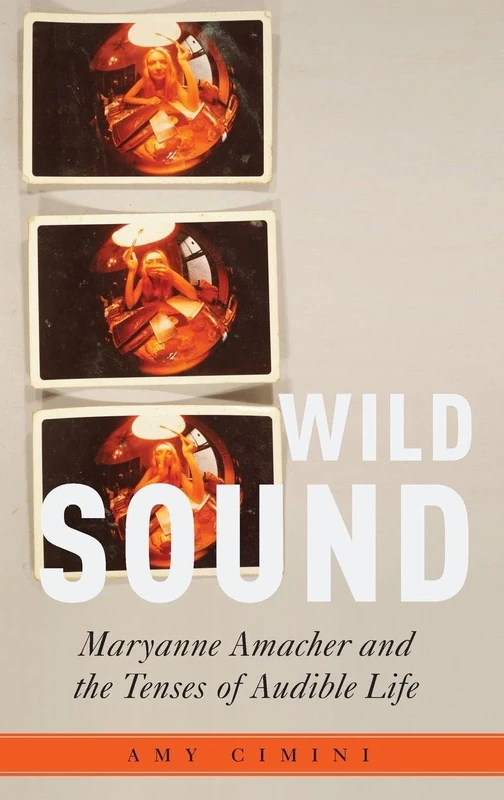
Wild Sound: Maryanne Amacher and the Tenses of Audible Life (Critical Conjunctures in Music and Sound)
Oxford University Press