We can't find the internet
Attempting to reconnect
Something went wrong!
Hang in there while we get back on track

£250.00
The 7 Freaky Reasons Trading Could Get You Bankrupt: Revealing Dark Secrets About Trading
Price data last checked 30 day(s) ago - will refresh soon
We'll watch every seller, every day. One email when your price arrives.
It has never been this cheap. We have no record of a lower price.
£250 today · cheaper than every other day in the last 3 months
NEW HERE?
Amazon shows you one price. We show you all of them.
Tosheroon watches Amazon prices so you don't have to. Every product on Amazon has a price history — we make it visible. Set the price you'd actually pay, and we'll email you the second it gets there. No app, no account, one email.
WHAT'S ON THIS PAGE
when this has been cheap or pricey
where the price is heading next
all-time high & low, recent range
name your number, we'll email you
Price History & Forecast
Grey patches = out of stock. Cheaper = lower on the chart. Hover for exact prices.
Last 61 days • 61 data points (No recent data available)
Price Distribution
Price distribution over 61 days • 1 price levels
Price Analysis
Most common price: £250 (61 days, 100.0%)
Price range: £250 - £250
Price levels: 1 different prices over 61 days
Description
Product Specifications
- Format
- paperback
- ASIN
- B0C47RYGGR
- Domain
- Amazon UK
- Release Date
- 07 May 2023
- Listed Since
- 07 May 2023
Barcode
No barcode data available
Similar Products You Might Like
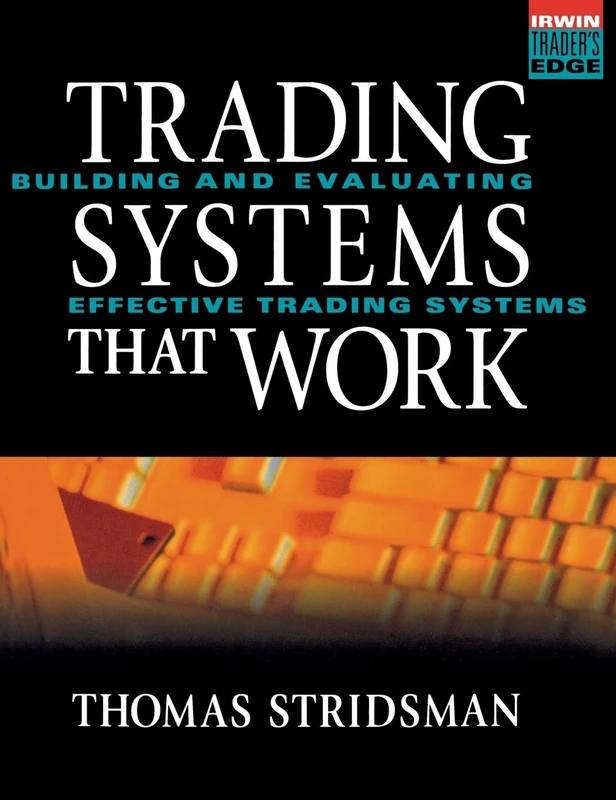
Tradings Systems That Work: Building and Evaluating Effective Trading Systems (McGraw-Hill Trader's Edge Series)
McGraw-Hill Education

Full stack Expert Advisor Programming For Meta trader 5: Learn How to Develop the Perfect Trading Algorithm for Gold /Forex Market

Crude Rebellion: A Journey from zero knowledge to Trading Mastery
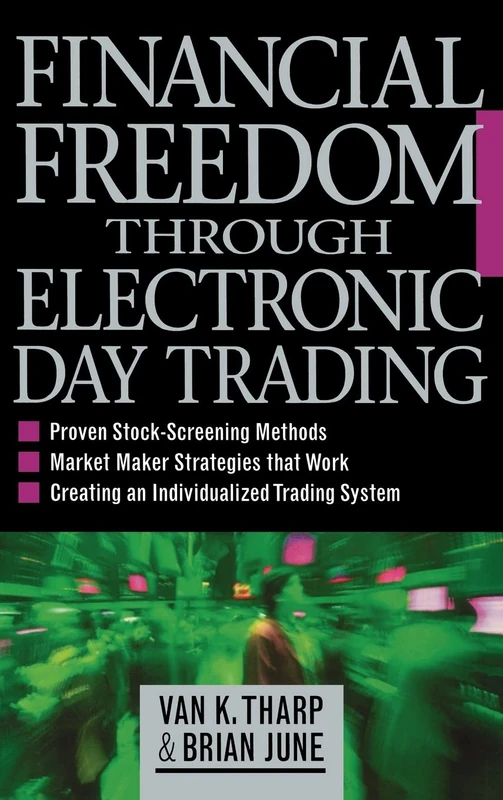
Financial Freedom Through Electronic Day Trading (PERSONAL FINANCE & INVESTMENT)
McGraw-Hill Education

Crude Rebellion: A Journey from zero knowledge to Trading Mastery

The Ultimate Algorithmic Trading System Toolbox + Website: Using Today's Technology To Help You Become A Better Trader (Wiley Trading)
Wiley

What It Takes: The Secrets of Becoming a Successful Trader: Eddie Z Interviews the Masters of Trading
CREATESPACE

COLLAPSE BANKRUPTCY OF MF GL (Economic Issues, Problems and Perspectives: Business Economics in a Rapidly-changing World)

Découvrez votre potentiel de trader: Les clés d'un trading à succès
JDH

What professional traders really use. Price action: Read charts like a professional: candlesticks, patterns, price cycles. Professional trading ... Understanding market manipulation and news.

The Practical Guide to Trading: Understand the Financial Markets like a Professional (Traders Pathway)

The New Trading for a Living: Psychology, Discipline, Trading Tools and Systems, Risk Control, Trade Management (Wiley Trading)
Wiley

Le nouveau Vivre du Trading: Psychologie - Discipline - Outils de trading et système - Contrôle du risque - Gestion des transactions
VALOR

The Trader's Pendulum: The 10 Habits of Highly Successful Traders (Wiley Trading)
Wiley

Trading 102: Getting Down to Business: 73 (Wiley Trading)
Wiley

Trading For Beginners: Collection 2 Books In 1 For A Comprehensive Basic Education
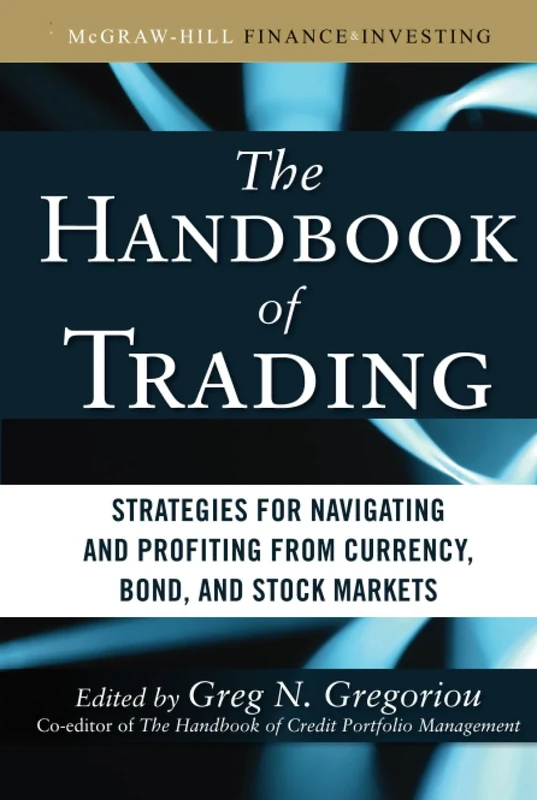
The Handbook of Trading: Strategies for Navigating and Profiting from Currency, Bond, and Stock Markets (McGraw-Hill Financial Education Series)
McGraw-Hill Education

Le guide ultime pour comprendre le trading (Devenez un expert du trading & de la finance de marché)

Building Winning Trading Systems with Tradestation, + Website, 2nd Edition: 542 (Wiley Trading)
Wiley
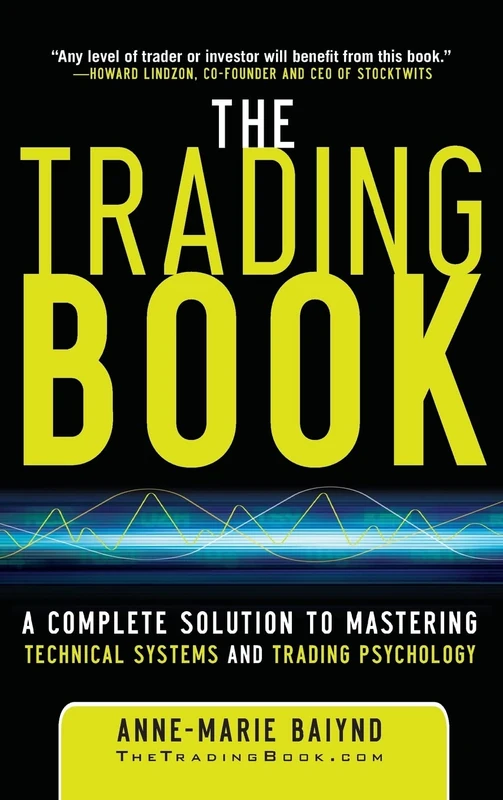
The Trading Book: A Complete Solution to Mastering Technical Systems and Trading Psychology (PROFESSIONAL FINANCE & INVESTM)
McGraw-Hill Education

L’Art du Trading Technique et Algorithmique: Guide Complet du Trading Intelligent pour négocier sur Tous les Marchés avec Succès
Lulu

Testing and Tuning Market Trading Systems: Algorithms in C++
Apress

Trading for a Living: Psychology, Trading Tactics, Money Management: 31 (Wiley Finance)
Wiley
Investing in Financially Distressed Firms: A Guide to Pre- and Post-Bankruptcy Opportunities (251)
Praeger