We can't find the internet
Attempting to reconnect
Something went wrong
Hang in there while we get back on track
£83.32
About as cheap as it gets — within 5% of the all-time low it hit 2 months ago.
£83 today · all-time low £83 (Aug 2026) · usually £83
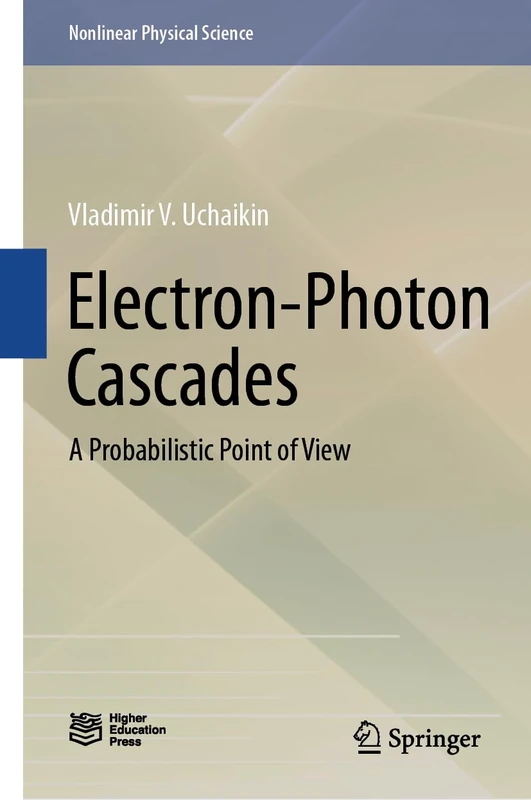
Springer Electron-Photon Cascades: A Probabilistic Point of View (Nonlinear Physical Science)
Price data last checked 20 day(s) ago - will refresh soon
We'll watch every seller, every day. One email when your price arrives.
Price History & Forecast
Grey patches = out of stock. Cheaper = lower on the chart. Hover for exact prices.
Last 71 days · 71 data points (no recent data)
Price data last checked 20 day(s) ago - will refresh soon
NEW HERE?
Amazon shows you one price. We show you all of them.
Tosheroon watches Amazon prices so you don't have to. Every product on Amazon has a price history — we make it visible. Set the price you'd actually pay, and we'll email you the second it gets there. No app, no account, one email.
WHAT'S ON THIS PAGE
when this has been cheap or pricey
where the price is heading next
all-time high & low, recent range
name your number, we'll email you
Price Distribution
Price distribution over 71 days • 2 price levels
Price Analysis
Most common price: £83 (46 days, 64.8%)
Price range: £83 - £84
Price levels: 2 different prices over 71 days
Description
Product Specifications
- Brand
- Springer
- Format
- hardcover
- ASIN
- 9819975239
- Category
- Books > Subjects > Science, Nature & Maths > Engineering & Technology > Aeronautics & Aerospace
- Domain
- Amazon UK
- Release Date
- 30 July 2024
- Listed Since
- 16 September 2023
Barcode
No barcode data available
Similar Products You Might Like
Low Energy Photon Detection (Springer Theses)
Springer
Emergent States in Photoinduced Charge-Density-Wave Transitions (Springer Theses)
Springer
Single-Photon Avalanche Diodes and Photon Counting Systems: From Phototransduction to Circuit Architecture
Springer
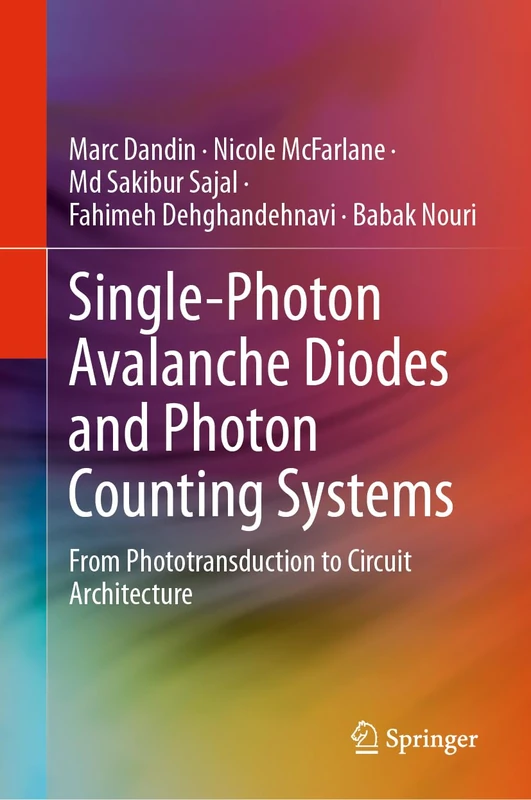
Single-Photon Avalanche Diodes and Photon Counting Systems: From Phototransduction to Circuit Architecture
Springer

The Foundations of Experimental Physics - Springer
Springer
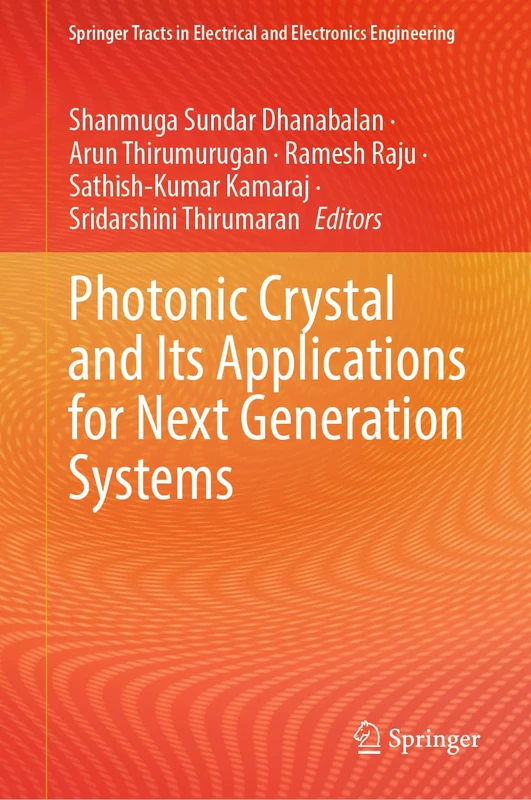
Photonic Crystal & Next Generation Systems - Springer
Springer

Heisenberg's Uncertainty Principle - Electron Statistics Quantized Structures
Springer
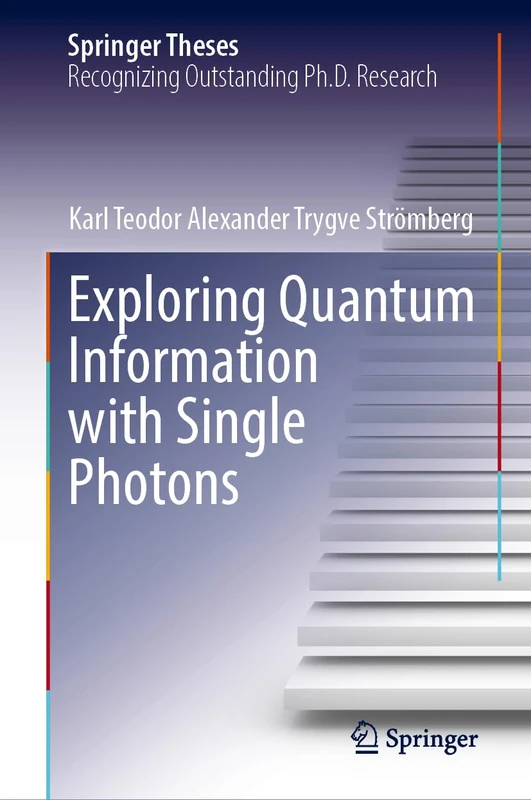
Exploring Quantum Information with Single Photons (Springer Theses)
Springer