We can't find the internet
Attempting to reconnect
Something went wrong
Hang in there while we get back on track

£96.14
Springer The Mercantile Ethical Tradition in Edo Period Japan: A Comparative Analysis with Bushido: 20 (Advances in Japanese Business and Economics, 20)
Price data last checked 72 day(s) ago - refreshing...
We'll watch every seller, every day. One email when your price arrives.
It has never been this cheap. We have no record of a lower price.
£96 today · cheaper than every other day in the last 3 months
NEW HERE?
Amazon shows you one price. We show you all of them.
Tosheroon watches Amazon prices so you don't have to. Every product on Amazon has a price history — we make it visible. Set the price you'd actually pay, and we'll email you the second it gets there. No app, no account, one email.
WHAT'S ON THIS PAGE
when this has been cheap or pricey
where the price is heading next
all-time high & low, recent range
name your number, we'll email you
Price History & Forecast
Grey patches = out of stock. Cheaper = lower on the chart. Hover for exact prices.
Last 19 days · 19 data points (no recent data)
Price Distribution
Price distribution over 19 days • 2 price levels
Price Analysis
Most common price: £97 (18 days, 94.7%)
Price range: £96 - £97
Price levels: 2 different prices over 19 days
Description
Product Specifications
- Brand
- Springer
- Format
- hardcover
- ASIN
- 981137337X
- Category
- Books > Subjects > Business, Finance & Law > Biographies & Histories > Business & Economic History
- Domain
- Amazon UK
- Release Date
- 16 July 2019
- Listed Since
- 21 February 2019
Barcode
No barcode data available
Similar Products You Might Like

Business Ethics: Japan and the Global Economy: 5 (Issues in Business Ethics, 5)
Springer
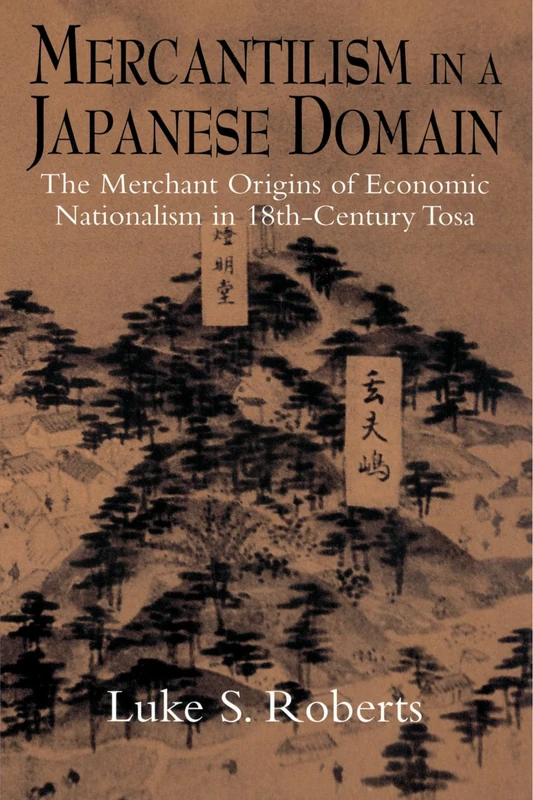
Mercantilism in a Japanese Domain: The Merchant Origins of Economic Nationalism in 18th-Century Tosa
Cambridge University Press

Trade Relations between Qing China and Tokugawa Japan: 1685–1859 (Studies in Economic History)
Springer

Culture and Institutions in the Economic Growth of Japan (Studies in Economic History)
Springer

Portraits of Edo and Early Modern Japan: The Shogun’s Capital in Zuihitsu Writings, 1657–1855
MACMILLAN

Individuality in Early Modern Japan: Thinking for Oneself (Routledge Research in Early Modern History)
Routledge
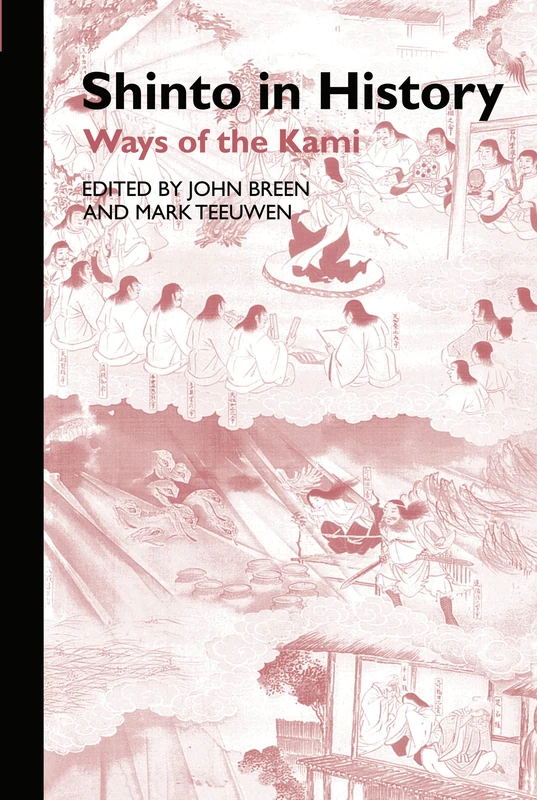
Shinto in History: Ways of the Kami (Routledge Studies in Asian Religion)
Routledge

A Panoramic History of Traditional Chinese Ethics
Springer

Warrior Rule in Japan (Cambridge History of Japan)
Cambridge University Press

Voices of Early Modern Japan: Contemporary Accounts of Daily Life During the Age of the Shoguns
Routledge
Sources of Japanese Tradition – From Earliest Times to 1600: 1 (Introduction to Asian Civilizations)
Columbia University Press

Cross-Cultural Encounters in Early Modern Japan: Foreigners within the Samurai Class, c. 1550–1900 (New Interdisciplinary Approaches to Early Modern Culture)
Routledge

International Business Ethics: Focus on China
Springer

Utagawa Hiroshige: Seeing Landscapes Through His Eyes (Japanese Society)

Daimyo of 1867
Different Worlds Publications

Caste in Early Modern Japan: Danzaemon and the Edo Outcaste Order (Routledge Studies in the Modern History of Asia)
Routledge

Trade Relations between Qing China and Tokugawa Japan: 1685–1859 (Studies in Economic History)
Springer

Corporate Governance in Japan: From the Viewpoints of Management, Accounting, and the Market
Springer

Commerce and Culture at the 1910 Japan-British Exhibition: Centenary Perspectives
Brill

Corporate Social Responsibility and Gender Equality in Japan: Historical and Current Perspectives (CSR, Sustainability, Ethics & Governance)
Springer

Contemporary Capitalism and Civil Society: The Japanese Experience: 14 (Evolutionary Economics and Social Complexity Science, 14)
Springer

Peasants, Rebels, Women, and Outcastes: The Underside of Modern Japan (Asian Voices)
Rowman & Littlefield Publishers

Dao Companion to Japanese Confucian Philosophy: 5 (Dao Companions to Chinese Philosophy, 5)
Springer

Ethical Universals in International Business (Ethical Economy)
Springer