£129.99

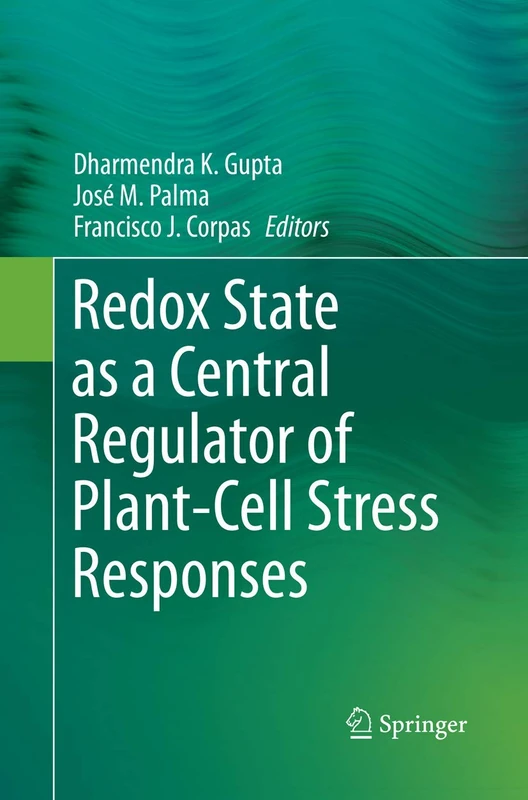
Springer Reactive Oxygen Species and Antioxidant Systems in Plants: Role and Regulation under Abiotic Stress

Price data last checked 16 day(s) ago - will refresh soon

View at Amazon

We'll watch every seller, every day. One email when your price arrives.

This is the most expensive it has ever been. Walk away.

£130 today · previous high £130 · all-time low £109

NEW HERE?

Amazon shows you one price. We show you all of them.

Tosheroon watches Amazon prices so you don't have to. Every product on Amazon has a price history — we make it visible. Set the price you'd actually pay, and we'll email you the second it gets there. No app, no account, one email.

WHAT'S ON THIS PAGE

↓ Price chart
when this has been cheap or pricey
↓ Forecast
where the price is heading next
↓ Statistics
all-time high & low, recent range
↑ Price alert
name your number, we'll email you

Price History & Forecast

Grey patches = out of stock. Cheaper = lower on the chart. Hover for exact prices.

Last 75 days · 75 data points (no recent data)

Historical
Generating forecast…
£129.99 £106.80 £111.86 £116.92 £121.98 £127.04 £132.10 26 April 2026 14 May 2026 02 June 2026 20 June 2026 09 July 2026

Price Distribution

Price distribution over 75 days • 5 price levels

Days at Price
Current Price
19 days 12 days 14 days 22 days 8 days · current 0 6 11 17 22 £109 £110 £111 £112 £130 Days at Price

Price Analysis

Most common price: £112 (22 days, 29.3%)

Price range: £109 - £130

Price levels: 5 different prices over 75 days

Description

The present edited book is an attempt to update the state of art of the knowledge on metabolism of ROS and antioxidants and their relationship in plant adaptation to abiotic stresses involving physiological, biochemical and molecular processes. The chapters are much focused on the current climate issues and how ROS metabolism can manipulate with antioxidant system to accelerate detoxification mechanism. It will enhance the mechanistic understanding on ROS and antioxidants system and will pave the path for agricultural scientists in developing tolerant crops to achieve sustainability under the changing environmental conditions. The increase in abiotic stress factors has become a major threat to sustainability of crop production. This situation has led to think ways which can help to come out with potential measures; for which it is necessary to understand the influence of abiotic stress factors on crops performance and the mechanisms by which these factors impact plants. It has now become evident that abiotic stress impacts negatively on plant growth and development at every stage of plant’s life. Plants adapt to the changing environment with the adjustment at physiological, biochemical and molecular levels. The possible mechanisms involved in the negative effects of abiotic stress factors are excess production of reactive oxygen species (ROS). They alter physiological and molecular mechanisms leading to poor performance of plants. Plants however, are able to cope with these adverse effects by inducing antioxidant systems as the priority. Nevertheless, the dual role of ROS has now been ascertained which provides an evidence for regulation of plant metabolism positively on a concentration-dependent manner. Under conditions of high ROS production, the antioxidant system plays a major role in diminishing the effects of ROS. Thus, ROS production and antioxidant system are interwoven with abiotic stress conditions. The antioxidants have the capacity to hold the stability in metabolism in order to avoid disruption due to environmental disturbances. From the Back Cover The present edited book is an attempt to update the state of art of the knowledge on metabolism of ROS and antioxidants and their relationship in plant adaptation to abiotic stresses involving physiological, biochemical and molecular processes. The chapters are much focused on the current climate issues and how ROS metabolism can manipulate with antioxidant system to accelerate detoxification mechanism. It will enhance the mechanistic understanding on ROS and antioxidants system and will pave the path for agricultural scientists in developing tolerant crops to achieve sustainability under the changing environmental conditions. The increase in abiotic stress factors has become a major threat to sustainability of crop production. This situation has led to think ways which can help to come out with potential measures; for which it is necessary to understand the influence of abiotic stress factors on crops performance and the mechanisms by which these factors impact plants. It has now become evident that abiotic stress impacts negatively on plant growth and development at every stage of plant’s life. Plants adapt to the changing environment with the adjustment at physiological, biochemical and molecular levels. The possible mechanisms involved in the negative effects of abiotic stress factors are excess production of reactive oxygen species (ROS). They alter physiological and molecular mechanisms leading to poor performance of plants. Plants however, are able to cope with these adverse effects by inducing antioxidant systems as the priority. Nevertheless, the dual role of ROS has now been ascertained which provides an evidence for regulation of plant metabolism positively on a concentration-dependent manner. Under conditions of high ROS production, the antioxidant system plays a major role in diminishing the effects of ROS.

Product Specifications

Format
paperback
Domain
Amazon UK
Release Date
12 December 2018
Listed Since
11 December 2018

Barcode

No barcode data available

Similar Products You Might Like