We can't find the internet
Attempting to reconnect
Something went wrong
Hang in there while we get back on track
£88.09
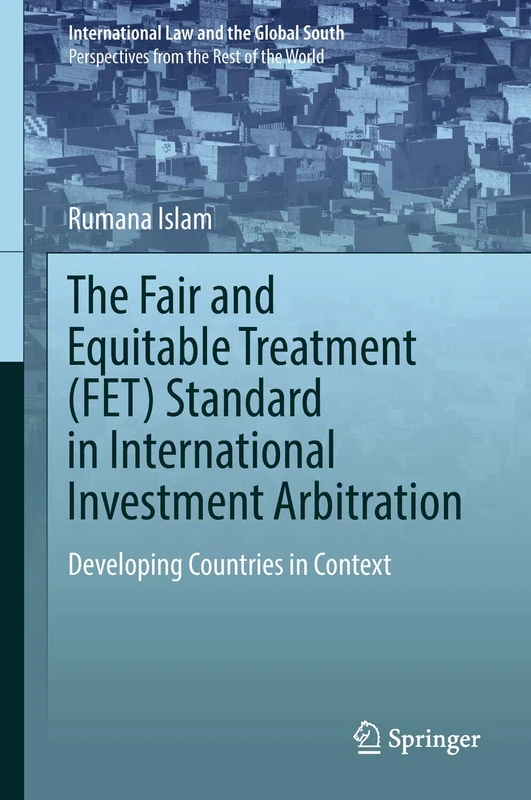
Springer The Fair and Equitable Treatment (FET) Standard in International Investment Arbitration: Developing Countries in Context (International Law and the Global South)
Price data last checked 69 day(s) ago - refreshing...
We'll watch every seller, every day. One email when your price arrives.
It has never been this cheap. We have no record of a lower price.
£88 today · cheaper than every other day in the last 3 months
NEW HERE?
Amazon shows you one price. We show you all of them.
Tosheroon watches Amazon prices so you don't have to. Every product on Amazon has a price history — we make it visible. Set the price you'd actually pay, and we'll email you the second it gets there. No app, no account, one email.
WHAT'S ON THIS PAGE
when this has been cheap or pricey
where the price is heading next
all-time high & low, recent range
name your number, we'll email you
Price History & Forecast
Grey patches = out of stock. Cheaper = lower on the chart. Hover for exact prices.
Last 22 days · 22 data points (no recent data)
Price Distribution
Price distribution over 22 days • 1 price levels
Price Analysis
Most common price: £88 (22 days, 100.0%)
Price range: £88 - £88
Price levels: 1 different prices over 22 days
Description
Product Specifications
- Brand
- Springer
- Format
- hardcover
- ASIN
- 9811321248
- Domain
- Amazon UK
- Release Date
- 01 October 2018
- Listed Since
- 10 July 2018
Barcode
No barcode data available
Similar Products You Might Like

Fair and Equitable Treatment and the Rule of Law (Elgar International Investment Law series)
Edward Elgar Publishing
The Right of States to Regulate in International Investment Law: The Search for Balance Between Public Interest and Fair and Equitable Treatment (International Arbitration Law Library, 50)
Wolters Kluwer

The Core Standard of International Investment Protection: Fair and Equitable Treatment ( International Arbitration Law Library 26)
Kluwer Law International

The Fair and Equitable Treatment (FET) Standard in International Investment Arbitration: Developing Countries in Context (International Law and the Global South)
Springer
The Fair and Equitable Treatment Standard: A Guide to NAFTA Case Law on Article 1105
Wolters Kluwer Law & Business

The Law of Investment Treaties (Oxford International Law Library)
Oxford University Press

Investment Law within International Law: Integrationist Perspectives
Cambridge University Press

The International Minimum Standard and Fair and Equitable Treatment (Oxford Monographs in International Law)
Oxford University Press

The International Minimum Standard and Fair and Equitable Treatment (Oxford Monographs in International Law)
Oxford University Press

FairEconomy: Crises, Culture, Competition and the Role of Law: 19 (MPI Studies on Intellectual Property and Competition Law, 19)
Springer
The Legality of Bailouts and Buy Nationals: International Trade Law in a Crisis: 17 (Hart Studies in Competition Law)
Bloomsbury

Space Security Law
Springer
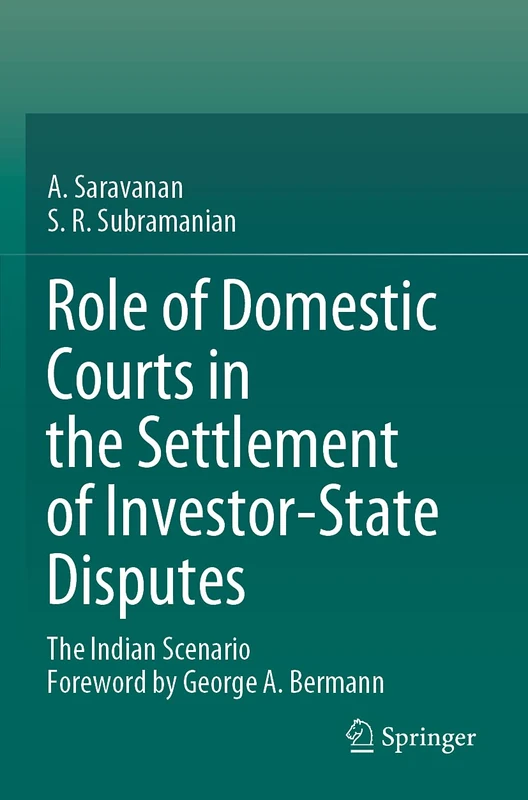
Role of Domestic Courts in the Settlement of Investor-State Disputes: The Indian Scenario
Springer

Role of Domestic Courts in the Settlement of Investor-State Disputes: The Indian Scenario
Springer

Full Protection and Security in International Investment Law: 8 (European Yearbook of International Economic Law, 8)
Springer
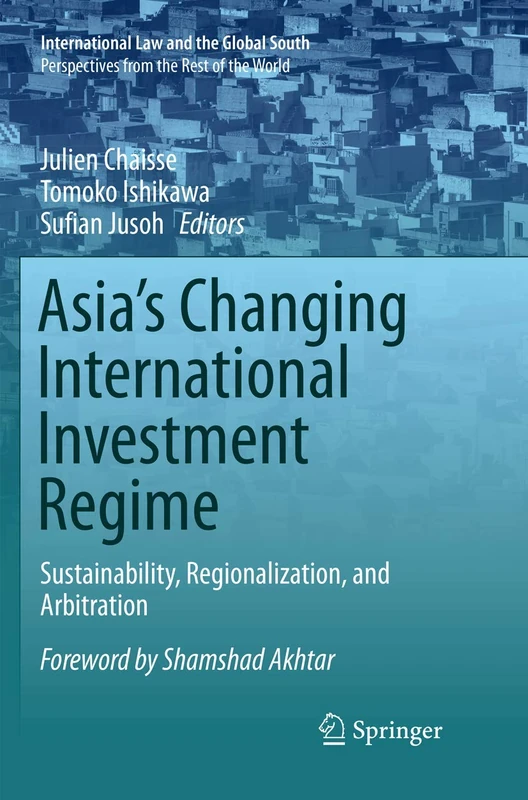
Asia's Changing International Investment Regime: Sustainability, Regionalization, and Arbitration (International Law and the Global South)
Springer

Routledge - Troubled Partnership: US-Japan FS-X Fighter History
Routledge
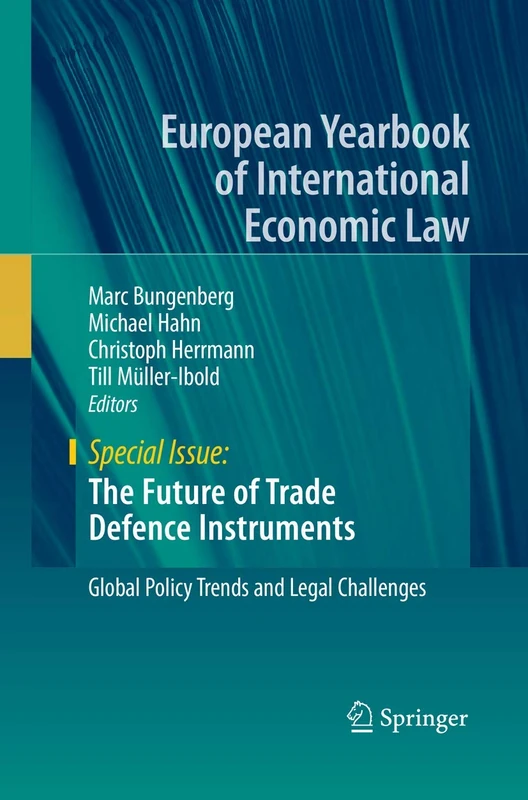
The Future of Trade Defence Instruments: Global Policy Trends and Legal Challenges (European Yearbook of International Economic Law)
Springer
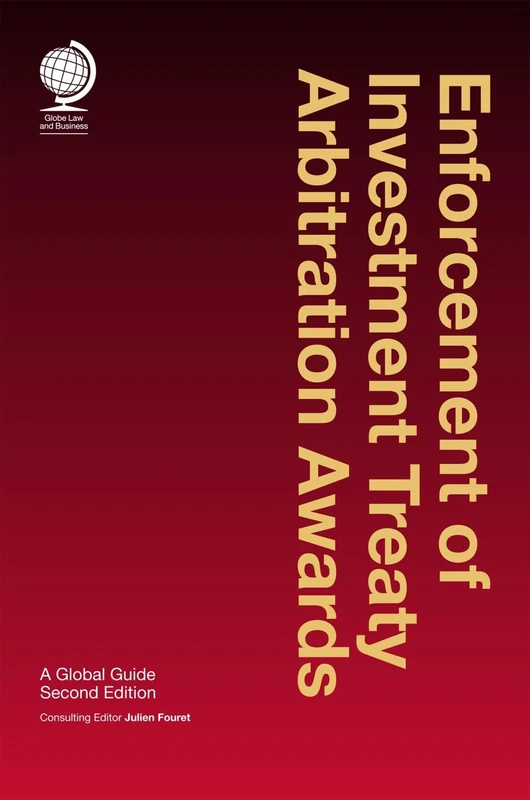
Enforcement of Investment Treaty Arbitration Awards: A Global Guide, Second Edition
Globe Law and Business Limited
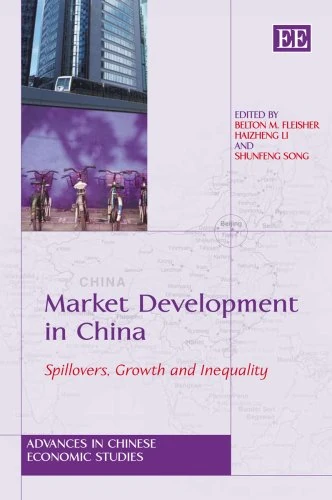
Market Development in China: Spillovers, Growth and Inequality (Advances in Chinese Economic Studies series)
Edward Elgar Publishing

Third-Party Funding in Investment Arbitration: A New Player in the System (Law for Professionals)
Springer
Regulatory Freedom and Indirect Expropriation in Investment Arbitration
Wolters Kluwer
Foreign Direct Investment in Central and Eastern Europe: Post-crisis Perspectives (Studies in Economic Transition)
Springer
Legalization of Development in the WTO: Between Law and Politics (Global Trade Law Series)
Kluwer Law International