We can't find the internet
Attempting to reconnect
Something went wrong
Hang in there while we get back on track
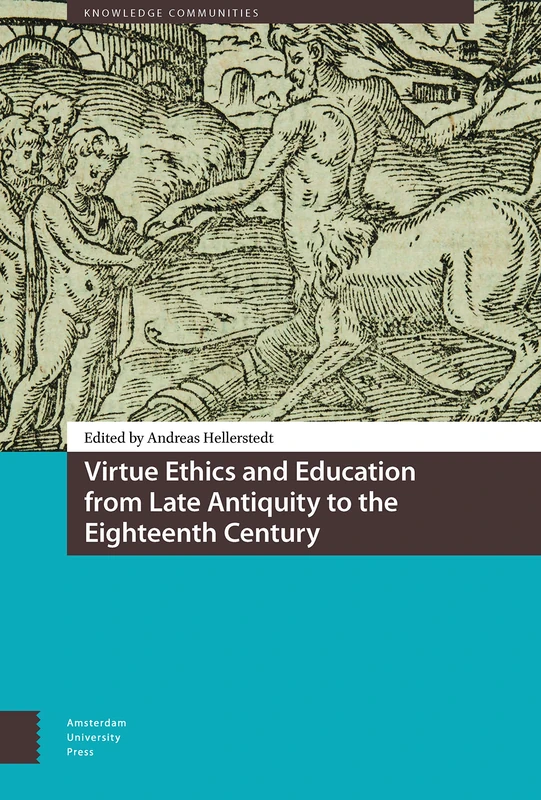
£145.99
This is the most expensive it has ever been. Walk away.
£146 today · previous high £146 · all-time low £133
Amsterdam University Press Virtue Ethics and Education from Late Antiquity to the Eighteenth Century (Knowledge Communities)
Price data last checked 27 day(s) ago - will refresh soon
We'll watch every seller, every day. One email when your price arrives.
Price History & Forecast
Grey patches = out of stock. Cheaper = lower on the chart. Hover for exact prices.
Last 64 days · 64 data points (no recent data)
Price data last checked 27 day(s) ago - will refresh soon
NEW HERE?
Amazon shows you one price. We show you all of them.
Tosheroon watches Amazon prices so you don't have to. Every product on Amazon has a price history — we make it visible. Set the price you'd actually pay, and we'll email you the second it gets there. No app, no account, one email.
WHAT'S ON THIS PAGE
when this has been cheap or pricey
where the price is heading next
all-time high & low, recent range
name your number, we'll email you
Price Distribution
Price distribution over 64 days • 3 price levels
Price Analysis
Most common price: £140 (29 days, 45.3%)
Price range: £133 - £146
Price levels: 3 different prices over 64 days
Description
Product Specifications
- Format
- hardcover
- ASIN
- 9462984441
- Domain
- Amazon UK
- Release Date
- 07 August 2018
- Listed Since
- 11 October 2017
Barcode
No barcode data available
Similar Products You Might Like
Reading and Politics in Early Modern England: The Mental World of a Seventeenth-Century Catholic Gentleman (Politics, Culture and Society in Early Modern Britain)
Manchester University Press
Women’s Work and Rights in Early Modern Urban Europe
Palgrave
Early Modern Women's Manuscript Writing: Selected Papers from the Trinity/Trent Colloquium
Routledge
Essential Works for the Study of Early Modern Women, Series III (Pt. 1) (The Early Modern Englishwoman: A Facsimile Library of Essential Works)
Routledge
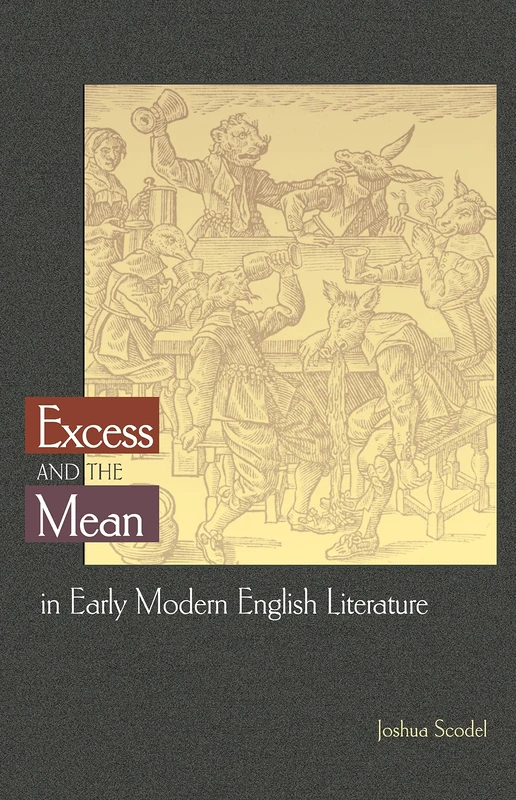
Excess and the Mean in Early Modern English Literature (Literature in History)
Princeton University Press
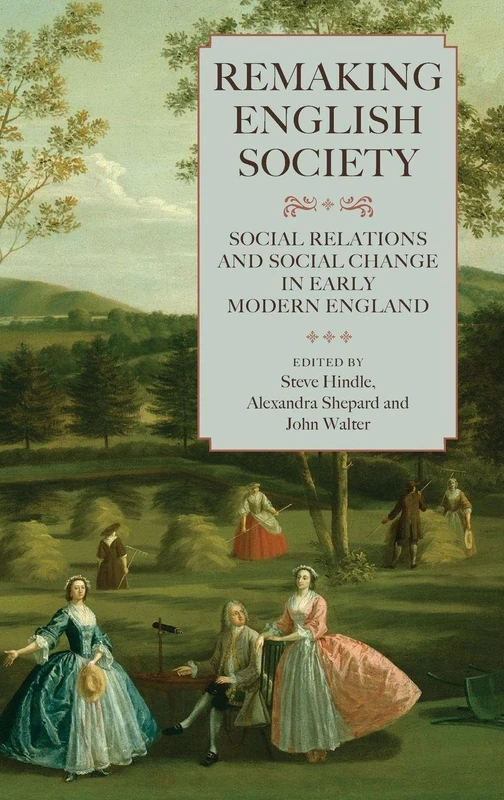
Remaking English Society: Social Relations and Social Change in Early Modern England (Studies in Early Modern Cultural, Political and Social History)
Boydell Press
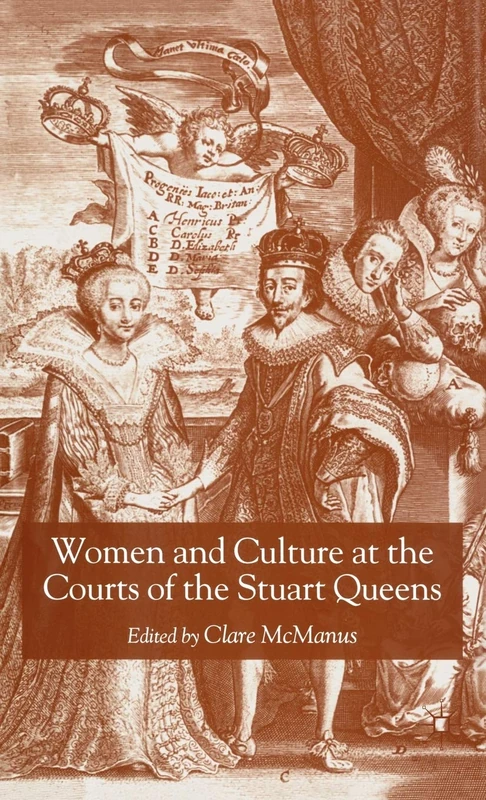
Women and Culture at the Courts of the Stuart Queens
MACMILLAN
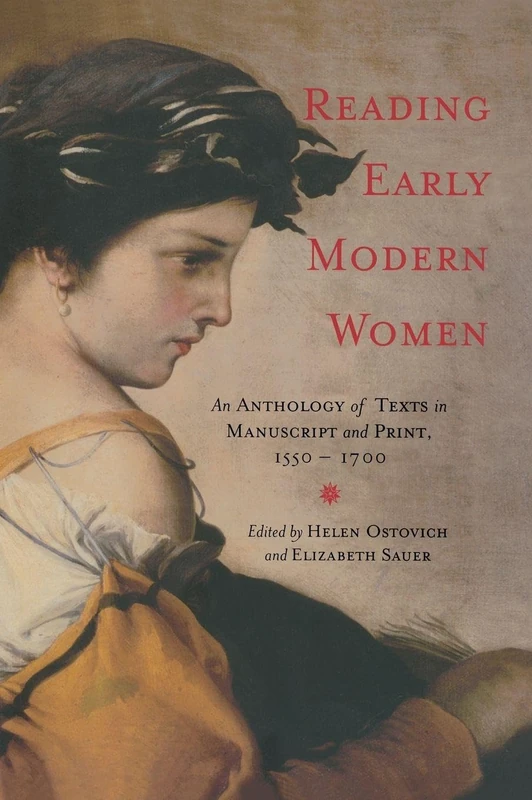
Reading Early Modern Women: Anthology 1550-1700
Routledge
Sanctified Subversives: Nuns in Early Modern English and Spanish Literature
Cambridge Scholars Publishing

Travel and Conflict in the Early Modern World (Routledge Studies in Renaissance and Early Modern Worlds of Knowledge)
Routledge
Art Theory: An Historical Introduction
Wiley

A Concordance to the Plays and Poems of Sir George Etherege
Bloomsbury
Humanism, Capitalism, and Rhetoric in Early Modern England: The Separation of the Citizen from the Self: 33 (Research in Medieval and Early Modern Culture, 33)
De Gruyter
Sin and Salvation in Reformation England - Church History
Routledge

Spenser and Ovid - Routledge Literary Criticism
Routledge
Printed Writings 1500-1640 - Series 1 (Pt. 2): A Facsimile Library of Essential Works (The Early Modern Englishwoman: A Facsimile Library of Essential Works)
Routledge

British Literature 1640-1789: A Critical Reader (Blackwell Critical Reader)
Wiley-Blackwell
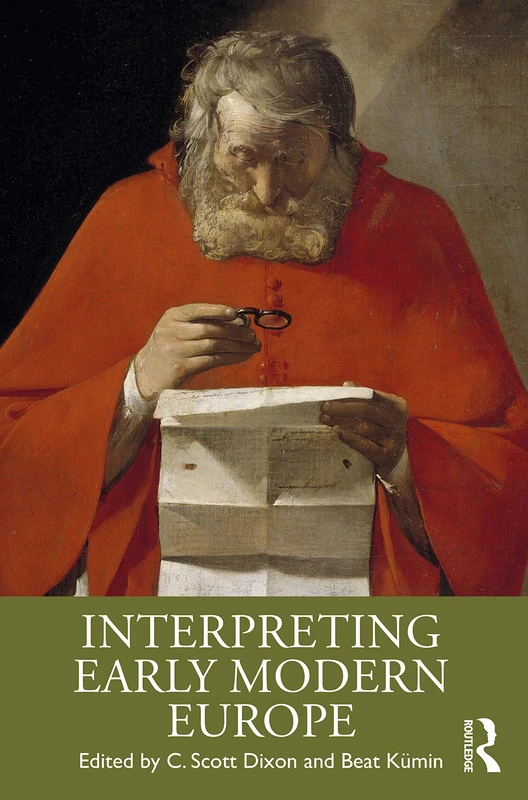
Interpreting Early Modern Europe
Routledge
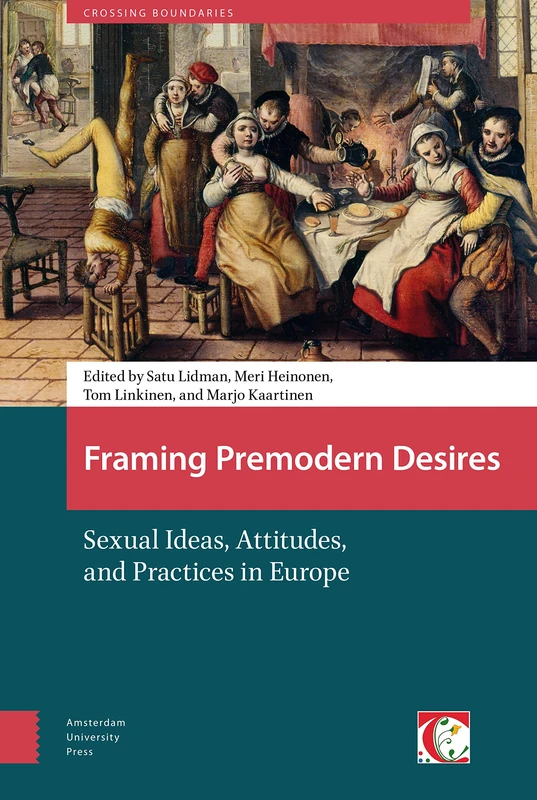
Framing Premodern Desires: Sexual Ideas, Attitudes, and Practices in Europe (Crossing Boundaries: Turku Medieval and Early Modern Studies)
Amsterdam University Press
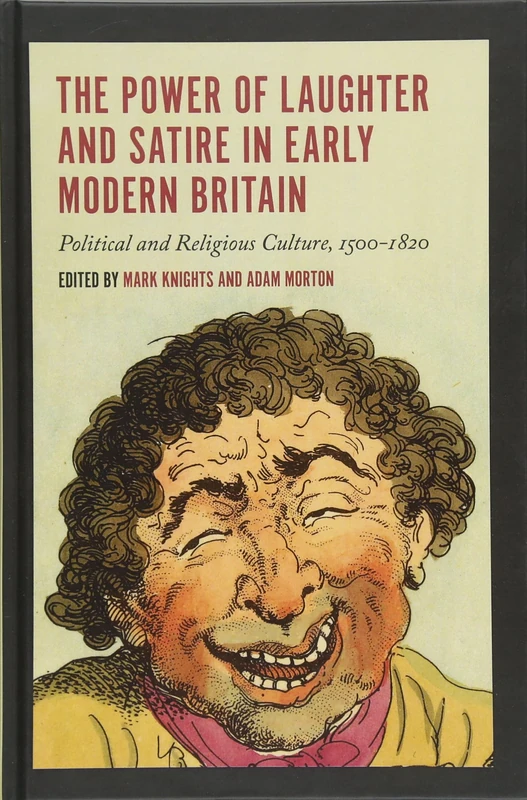
The Power of Laughter and Satire in Early Modern Britain: Political and Religious Culture, 1500-1820
Boydell Press
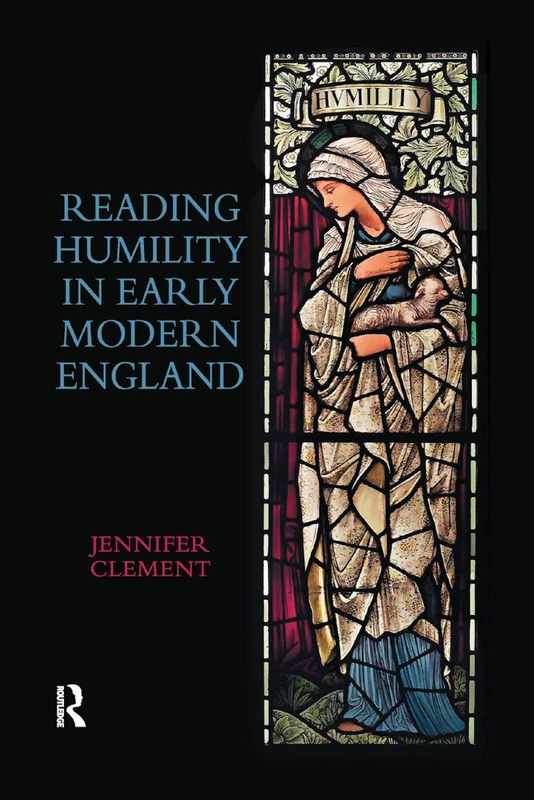
Reading Humility in Early Modern England
Routledge