We can't find the internet
Attempting to reconnect
Something went wrong
Hang in there while we get back on track
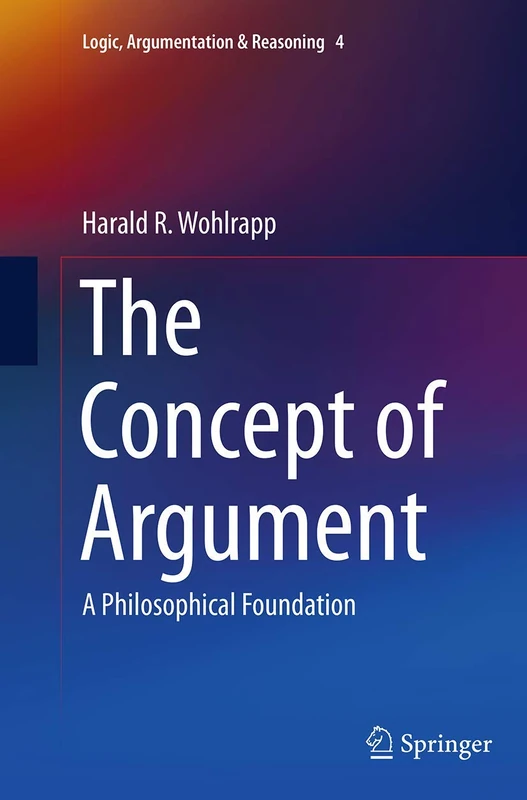
£77.49
It has never been this cheap. We have no record of a lower price.
£77 today · cheaper than every other day in the last 3 months
Springer The Concept of Argument: A Philosophical Foundation: 4 (Logic, Argumentation & Reasoning, 4)
We'll watch every seller, every day. One email when your price arrives.
Price History & Forecast
Grey patches = out of stock. Cheaper = lower on the chart. Hover for exact prices.
Last 53 days · 53 data points (no recent data)
NEW HERE?
Amazon shows you one price. We show you all of them.
Tosheroon watches Amazon prices so you don't have to. Every product on Amazon has a price history — we make it visible. Set the price you'd actually pay, and we'll email you the second it gets there. No app, no account, one email.
WHAT'S ON THIS PAGE
when this has been cheap or pricey
where the price is heading next
all-time high & low, recent range
name your number, we'll email you
Price Distribution
Price distribution over 53 days • 1 price levels
Price Analysis
Most common price: £77 (53 days, 100.0%)
Price range: £77 - £77
Price levels: 1 different prices over 53 days
Description
Product Specifications
- Brand
- Springer
- Format
- paperback
- ASIN
- 9402406859
- Domain
- Amazon UK
- Release Date
- 27 September 2016
- Listed Since
- 28 September 2016
Barcode
No barcode data available
Similar Products You Might Like
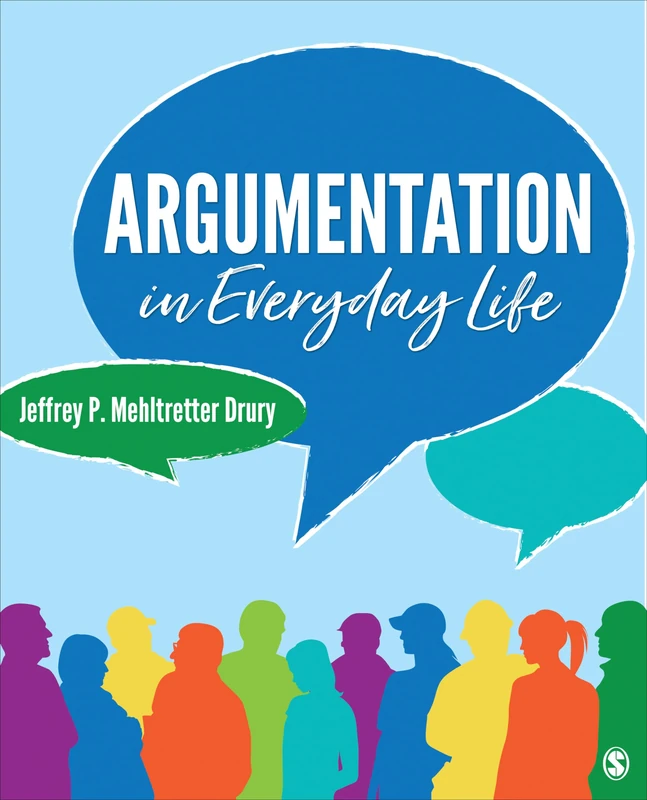
Argumentation in Everyday Life
Sage Publishing
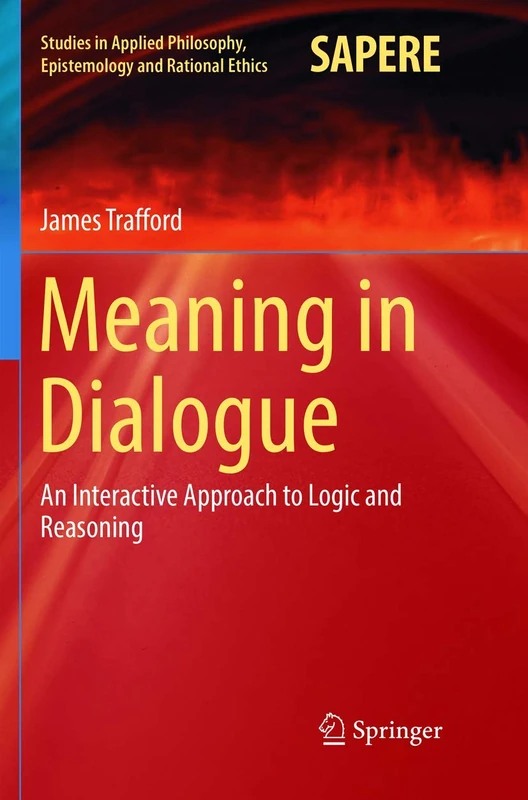
Meaning in Dialogue: An Interactive Approach to Logic and Reasoning: 33 (Studies in Applied Philosophy, Epistemology and Rational Ethics, 33)
Springer

The Realizations of the Self
MACMILLAN

Philosophy and Cognitive Science: Western & Eastern Studies: 2 (Studies in Applied Philosophy, Epistemology and Rational Ethics, 2)
Springer

Islamic Philosophy and Occidental Phenomenology in Dialogue: The Logos of Life and Cultural Interlacing: 7
Springer
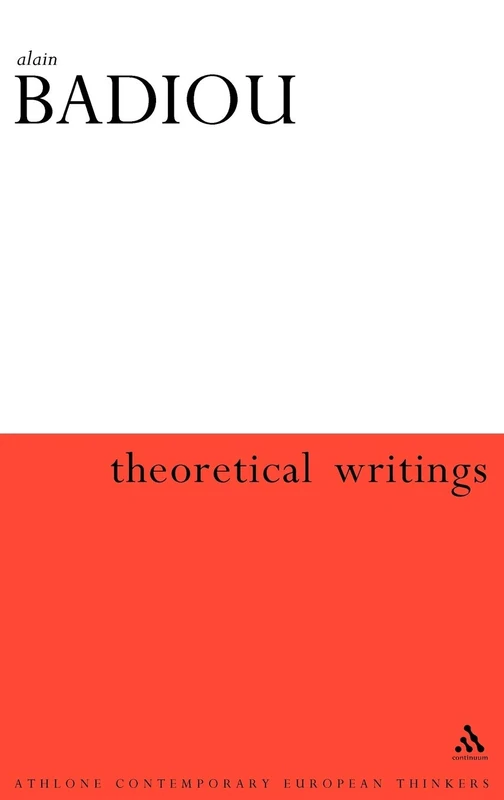
Theoretical Writings: Alain Badiou (Athlone Contemporary European Thinkers)
Bloomsbury

Reflections on Theoretical Issues in Argumentation Theory: 28 (Argumentation Library, 28)
Springer

Logic, Thought and Action: 2 (Logic, Epistemology, and the Unity of Science, 2)
Springer

Donald Davidson on Action, Mind and Value (Logic in Asia: Studia Logica Library)
Springer
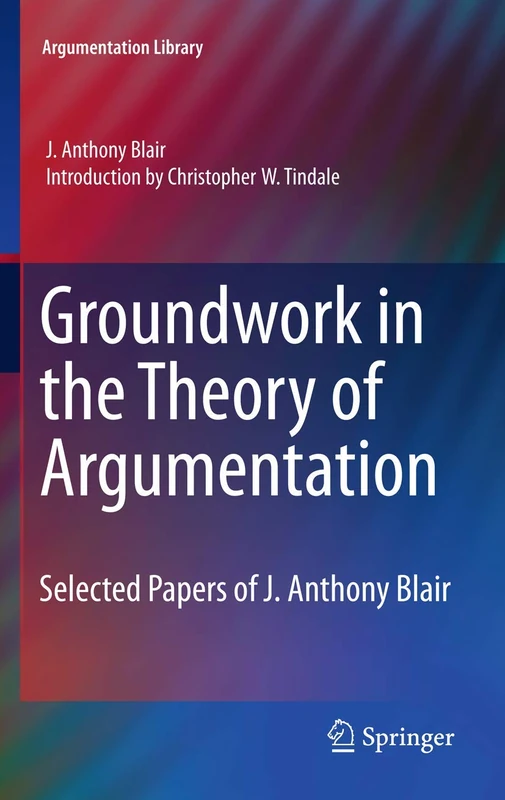
Groundwork in the Theory of Argumentation: Selected Papers of J. Anthony Blair: 21 (Argumentation Library, 21)
Springer
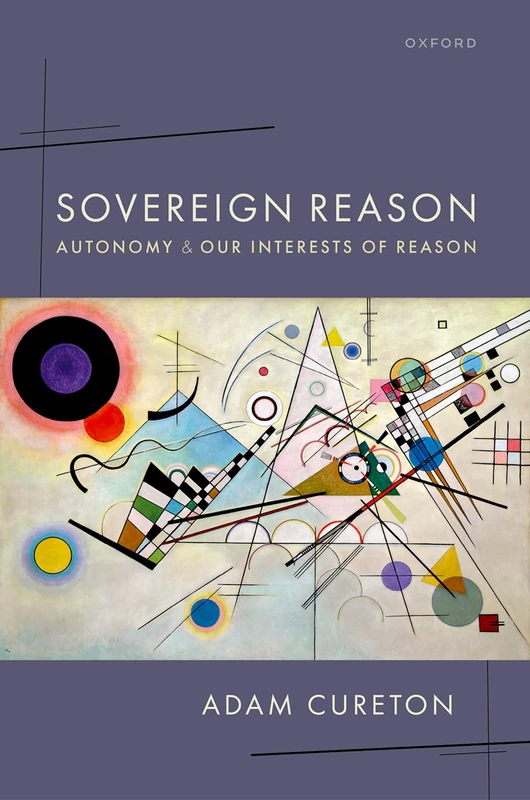
Sovereign Reason: Autonomy and our Interests of Reason
Oxford University Press

Philosophy and Cognitive Science: Western & Eastern Studies: 2 (Studies in Applied Philosophy, Epistemology and Rational Ethics, 2)
Springer

The Exemplifying Past: A Philosophy of History
Amsterdam University Press

Intrinsic Value: Concept and Warrant (Cambridge Studies in Philosophy)
Cambridge University Press

On Voluntary Servitude: False Consciousness and The Theory of Ideology
Polity

The Writer's Way
Cengage Learning

Reasoning in Event-Based Distributed Systems - Springer AI
Springer

Educational Research: Proofs, Arguments, and Other Reasonings: 4
Springer

New Challenges to Philosophy of Science Vol. 4 - Springer
Springer
Über die Erfahrungsgrundlagen unseres Wissens: 6 (Abhandlungen zur Didaktik und Philosophie der Naturwissenschaft, 6)
Springer

Philosophy for A2 Unit 3 - AQA Syllabus Textbook
Routledge

Nicholas of Cusa's "On Learned Ignorance: A Commentary on "De Docta Ignorantia
Catholic University of America Press
The Process of Argument: An Introduction - Routledge
Routledge

Studies in Philosophical Realism in Art, Design and Education: 20 (Landscapes: the Arts, Aesthetics, and Education, 20)
Springer