We can't find the internet
Attempting to reconnect
Something went wrong
Hang in there while we get back on track
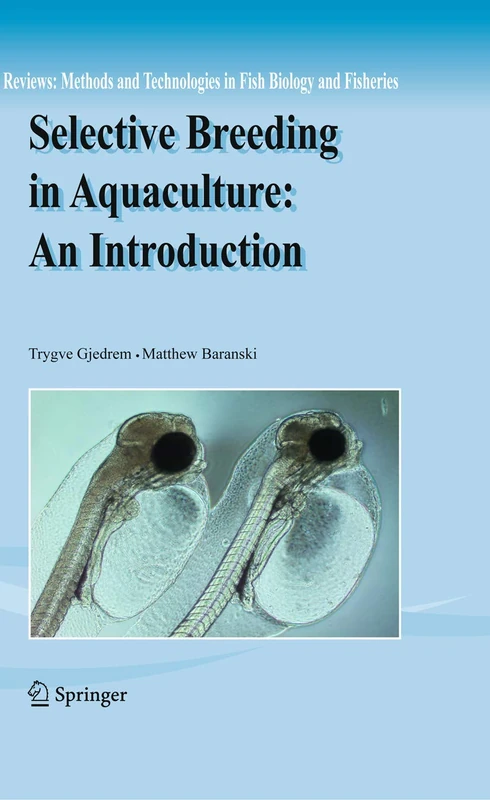
£127.16
This is the most expensive it has ever been. Walk away.
£127 today · previous high £127 · all-time low £126
Springer Selective Breeding in Aquaculture: an Introduction: 10 (Reviews: Methods and Technologies in Fish Biology and Fisheries, 10)
We'll watch every seller, every day. One email when your price arrives.
Price History & Forecast
Grey patches = out of stock. Cheaper = lower on the chart. Hover for exact prices.
Last 70 days · 70 data points (no recent data)
NEW HERE?
Amazon shows you one price. We show you all of them.
Tosheroon watches Amazon prices so you don't have to. Every product on Amazon has a price history — we make it visible. Set the price you'd actually pay, and we'll email you the second it gets there. No app, no account, one email.
WHAT'S ON THIS PAGE
when this has been cheap or pricey
where the price is heading next
all-time high & low, recent range
name your number, we'll email you
Price Distribution
Price distribution over 70 days • 2 price levels
Price Analysis
Most common price: £126 (47 days, 67.1%)
Price range: £126 - £127
Price levels: 2 different prices over 70 days
Description
Product Specifications
- Brand
- Springer
- Format
- paperback
- ASIN
- 9400736770
- Category
- Books > Subjects > Science, Nature & Maths > Biological Sciences > Animal Sciences > Habitats
- Domain
- Amazon UK
- Release Date
- 14 March 2012
- Listed Since
- 08 March 2012
Barcode
No barcode data available
Similar Products You Might Like
The Politics of Aquaculture: Sustainability Interdependence, Territory and Regulation in Fish Farming (Routledge Studies in Environmental Policy)
Routledge
Reproductive Biotechnology in Finfish Aquaculture: Proceedings of a Workshop Hosted by the Oceanic Institute Hawaii, USA, in Honolulu, 4-7th October 1
Elsevier
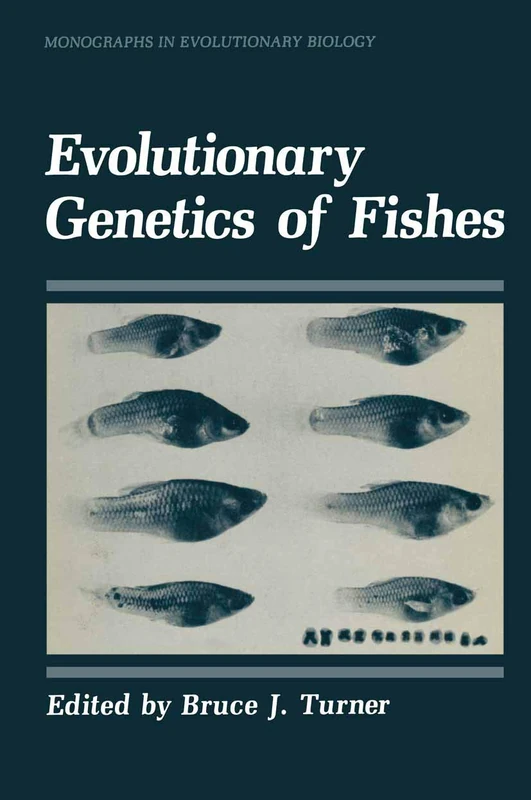
Evolutionary Genetics of Fishes - Springer Monograph
Springer

Climate Change Implications for Fisheries and Aquaculture: Overview of Current Scientific Knowledge (FAO Fisheries and Aquaculture Technical Paper)
Food & Agriculture Organization of the UN (FAO)
Price unavailable