We can't find the internet
Attempting to reconnect
Something went wrong
Hang in there while we get back on track
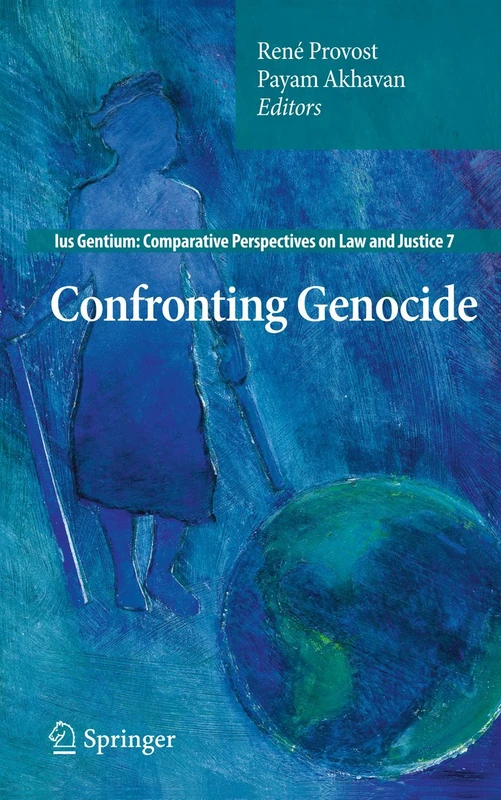
£103.30
Springer Confronting Genocide: 7 (Ius Gentium: Comparative Perspectives on Law and Justice, 7)
Price data last checked 13 day(s) ago - will refresh soon
We'll watch every seller, every day. One email when your price arrives.
It has never been this cheap. We have no record of a lower price.
£103 today · cheaper than every other day in the last 3 months
NEW HERE?
Amazon shows you one price. We show you all of them.
Tosheroon watches Amazon prices so you don't have to. Every product on Amazon has a price history — we make it visible. Set the price you'd actually pay, and we'll email you the second it gets there. No app, no account, one email.
WHAT'S ON THIS PAGE
when this has been cheap or pricey
where the price is heading next
all-time high & low, recent range
name your number, we'll email you
Price History & Forecast
Grey patches = out of stock. Cheaper = lower on the chart. Hover for exact prices.
Last 78 days · 78 data points (no recent data)
Price Distribution
Price distribution over 78 days • 1 price levels
Price Analysis
Most common price: £103 (78 days, 100.0%)
Price range: £103 - £103
Price levels: 1 different prices over 78 days
Description
Product Specifications
- Brand
- Springer
- Format
- hardcover
- ASIN
- 9048198399
- Domain
- Amazon UK
- Release Date
- 30 November 2010
- Listed Since
- 09 July 2010
Barcode
No barcode data available
Similar Products You Might Like
State Responses to Crimes of Genocide: What Went Wrong and How to Change It (Rethinking Political Violence)
MACMILLAN

Preventing Genocide and Mass Killing: A criminological approach (Global Politics and the Responsibility to Protect)
Routledge
Crimes of State Past and Present: Government-Sponsored Atrocities and International Legal Responses (Association for the Study of Nationalities)
Routledge
The Concept of Genocide in International Criminal Law: Developments after Lemkin
Routledge
The Prevention of Gross Human Rights Violations Under International Human Rights Law
T.M.C. Asser Press
Genocide and Human Rights: A Philosophical Guide
MACMILLAN
Genocidal Violence: Concepts, Forms, Impact: 6 (Genocide and Mass Violence in the Age of Extremes, 6)
De Gruyter Oldenbourg
Genocide in Cambodia and Rwanda: New Perspectives
Routledge
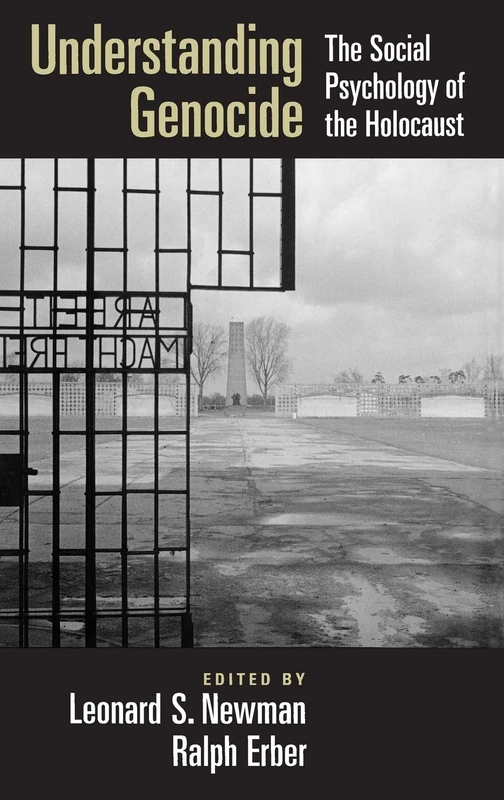
UNDERSTANDING GENOCIDE: The Social Psychology of the Holocaust
Oxford University Press
Evil as a Crime Against Humanity: Confronting Mass Atrocities in a Plural World (International Political Theory)
MACMILLAN
Genocide and Mass Atrocities in Asia: Legacies and Prevention (Routledge Contemporary Asia Series)
Routledge
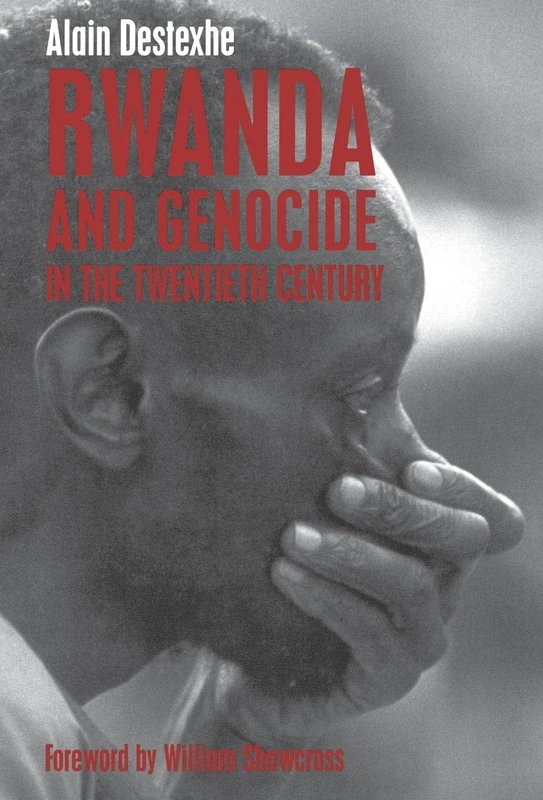
Rwanda and Genocide in the Twentieth Century
NYU Press
Classifying Genocide in International Law: The Substantiality Requirement
Routledge
Genocide and International Relations: Changing Patterns in the Transitions of the Late Modern World
Cambridge University Press
Genocide and the Europeans
Cambridge University Press
Remembrance and Forgiveness: Global and Interdisciplinary Perspectives on Genocide and Mass Violence (Memory Studies: Global Constellations)
Routledge
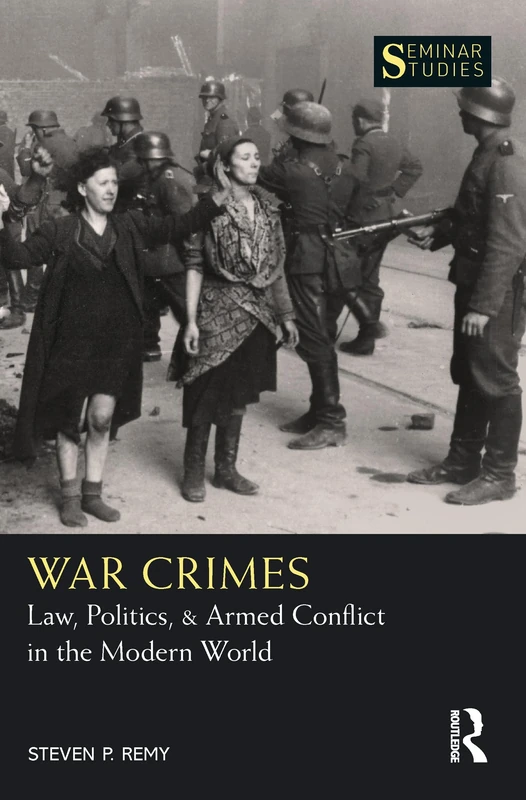
War Crimes: Law, Politics, & Armed Conflict in the Modern World (Seminar Studies)
Routledge
Rape, Torture & Genocide: Some Theoretical Implications (Laws and Legislation)
The Cambridge World History of Genocide: Volume 3, Genocide in the Contemporary Era, 1914–2020
Cambridge University Press
Punishment and Process in International Criminal Trials (International and Comparative Criminal Justice)
Routledge

Americans, Germans, and War Crimes Justice: Law, Memory, and The Good War""
Bloomsbury

Mass Atrocities, the Responsibility to Protect and the Future of Human Rights: ‘If Not Now, When?’ (Global Institutions)
Routledge
Studies in Comparative Genocide
MACMILLAN
The Rule of Law in an Era of Change: Responses to Transnational Challenges and Threats (Springer Series on International Justice and Human Rights)
Springer