We can't find the internet
Attempting to reconnect
Something went wrong
Hang in there while we get back on track
£159.80
This is the most expensive it has ever been. Walk away.
£160 today · previous high £160 · all-time low £150
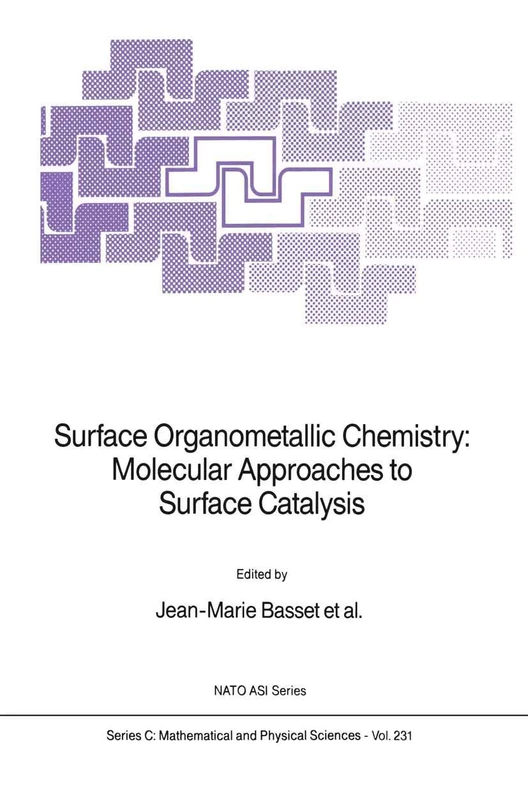
Springer Surface Organometallic Chemistry: Molecular Approaches to Surface Catalysis: 231 (Nato Science Series C:, 231)
We'll watch every seller, every day. One email when your price arrives.
Price History & Forecast
Grey patches = out of stock. Cheaper = lower on the chart. Hover for exact prices.
Last 62 days · 62 data points (no recent data)
NEW HERE?
Amazon shows you one price. We show you all of them.
Tosheroon watches Amazon prices so you don't have to. Every product on Amazon has a price history — we make it visible. Set the price you'd actually pay, and we'll email you the second it gets there. No app, no account, one email.
WHAT'S ON THIS PAGE
when this has been cheap or pricey
where the price is heading next
all-time high & low, recent range
name your number, we'll email you
Price Distribution
Price distribution over 62 days • 3 price levels
Price Analysis
Most common price: £152 (46 days, 74.2%)
Price range: £150 - £160
Price levels: 3 different prices over 62 days
Description
Key Features
Surface Organometallic Chemistry Molecular Approaches to Surface Catalysis
Product Specifications
- Brand
- Springer
- Format
- hardcover
- ASIN
- 9027727244
- Domain
- Amazon UK
- Release Date
- 30 June 1988
- Listed Since
- 14 February 2007
Barcode
No barcode data available
Similar Products You Might Like
Micro-Mesoporous Metallosilicates: Synthesis, Characterization, and Catalytic Applications
Wiley
Molecular Design in Inorganic Biochemistry: 160 (Structure and Bonding)
Springer
Lanthanide Metal-Organic Frameworks: 163 (Structure and Bonding, 163)
Springer
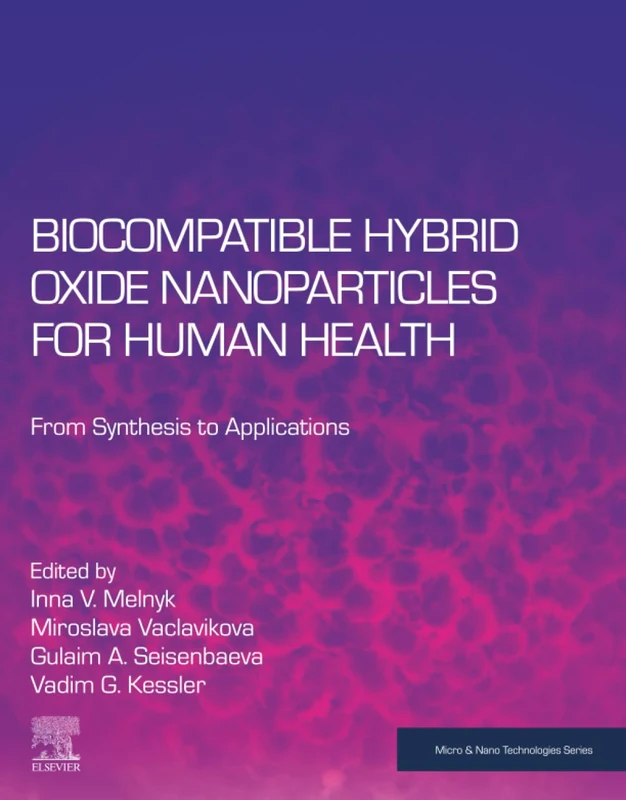
Biocompatible Hybrid Oxide Nanoparticles for Human Health: From Synthesis to Applications (Micro and Nano Technologies)
Elsevier
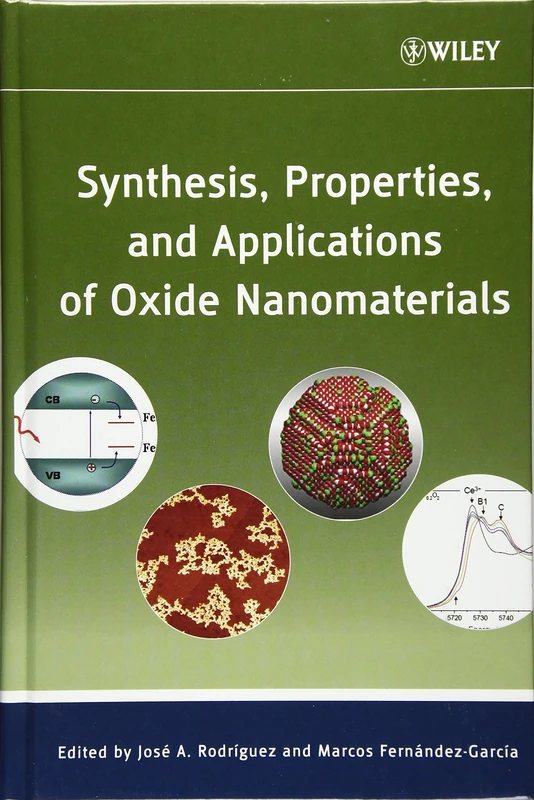
Synthesis, Properties, and Applications of Oxide Nanomaterials
Wiley
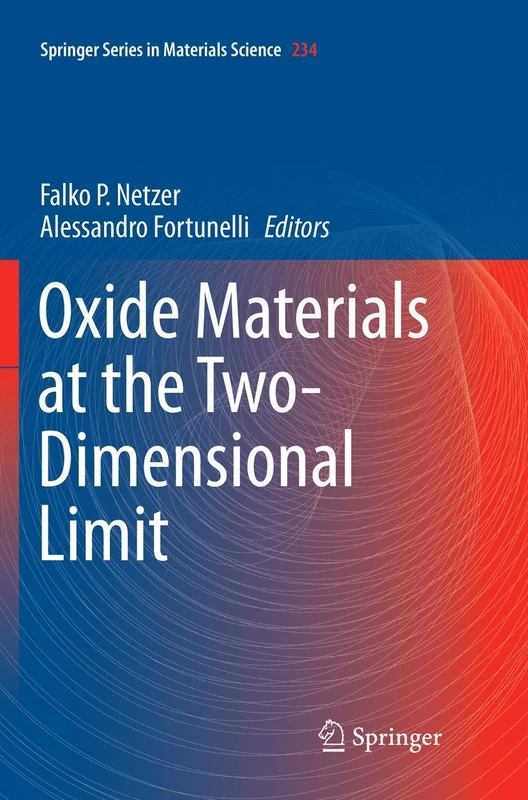
Oxide Materials at the Two-Dimensional Limit: 234 (Springer Series in Materials Science, 234)
Springer
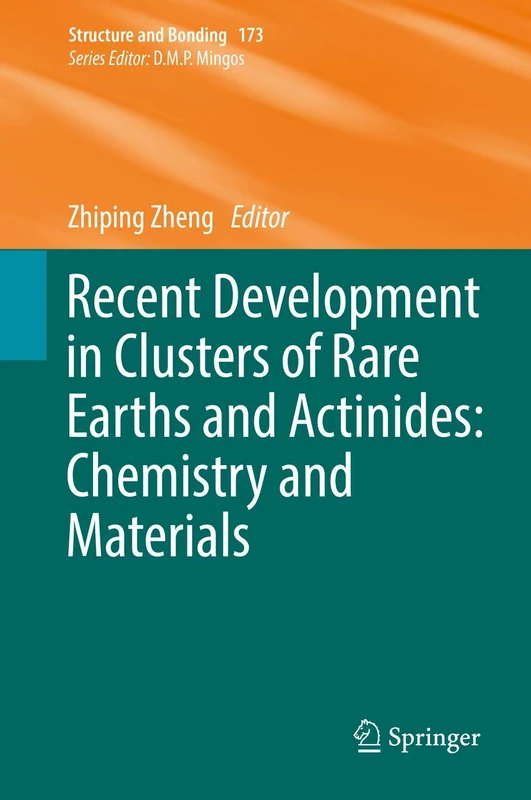
Recent Development in Clusters of Rare Earths and Actinides: Chemistry and Materials: 173 (Structure and Bonding, 173)
Springer
Core Concepts in Supramolecular Chemistry and Nanochemistry
Wiley
Advanced Composites (Advances in Material Research and Technology)
Springer
Organosilicon Heteropolymers and Heterocompounds (Monographs in Inorganic Chemistry)
Springer
Metal Oxide Nanoparticles in Organic Solvents - Springer
Springer
Synthesis of Functionalized Organoboron Compounds Through Copper(I) Catalysis (Springer Theses)
Springer