We can't find the internet
Attempting to reconnect
Something went wrong
Hang in there while we get back on track
£178.78
It has never been this cheap. We have no record of a lower price.
£179 today · cheaper than every other day in the last 3 months
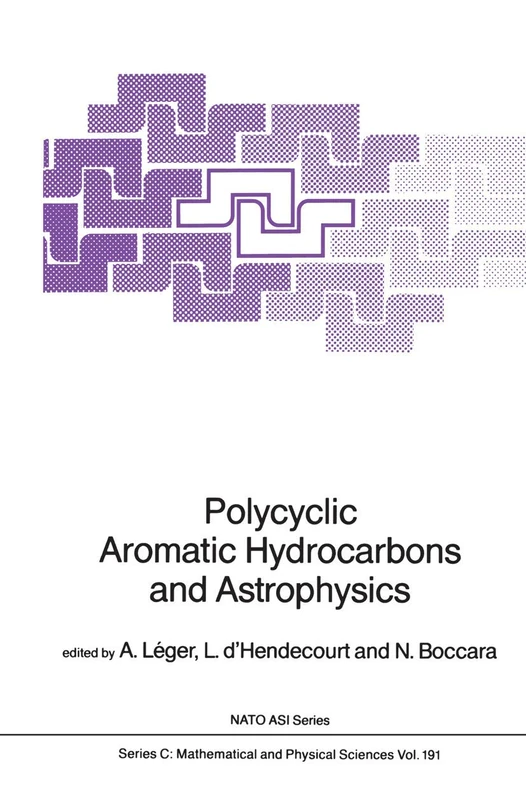
Springer Polycyclic Aromatic Hydrocarbons and Astrophysics: 191 (Nato Science Series C:, 191)
Price data last checked 23 day(s) ago - will refresh soon
We'll watch every seller, every day. One email when your price arrives.
Price History & Forecast
Grey patches = out of stock. Cheaper = lower on the chart. Hover for exact prices.
Last 68 days · 68 data points (no recent data)
Price data last checked 23 day(s) ago - will refresh soon
NEW HERE?
Amazon shows you one price. We show you all of them.
Tosheroon watches Amazon prices so you don't have to. Every product on Amazon has a price history — we make it visible. Set the price you'd actually pay, and we'll email you the second it gets there. No app, no account, one email.
WHAT'S ON THIS PAGE
when this has been cheap or pricey
where the price is heading next
all-time high & low, recent range
name your number, we'll email you
Price Distribution
Price distribution over 68 days • 1 price levels
Price Analysis
Most common price: £179 (68 days, 100.0%)
Price range: £179 - £179
Price levels: 1 different prices over 68 days
Description
Product Specifications
- Brand
- Springer
- Format
- hardcover
- ASIN
- 9027723613
- Domain
- Amazon UK
- Release Date
- 30 November 1986
- Listed Since
- 16 February 2007
Barcode
No barcode data available
Similar Products You Might Like
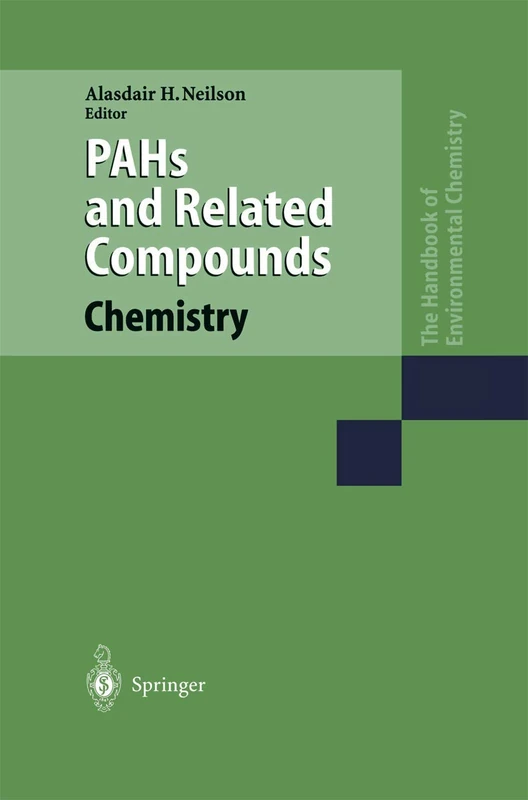
PAHs and Related Compounds: Chemistry: 3 / 3I (The Handbook of Environmental Chemistry, 3 / 3I)
Springer
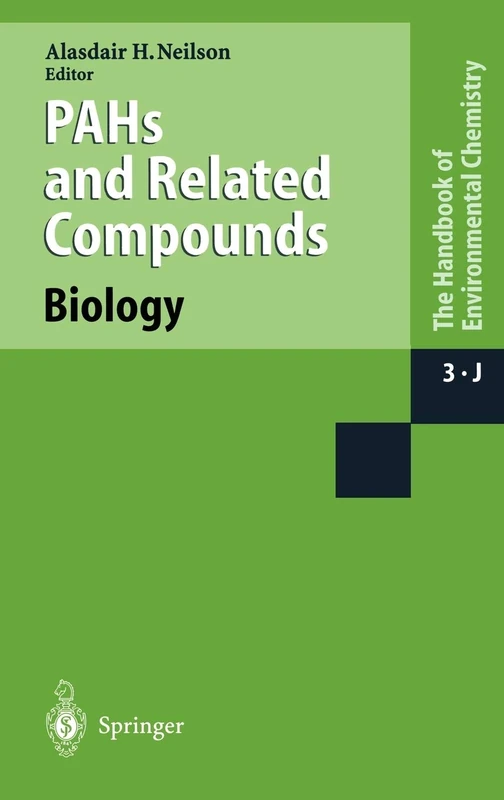
PAHs and Related Compounds: Biology: 3 / 3J (The Handbook of Environmental Chemistry, 3 / 3J)
Springer
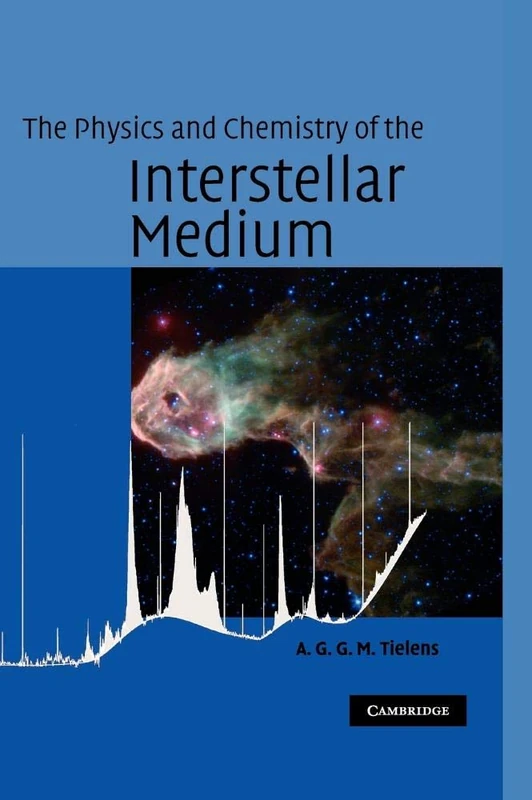
The Physics and Chemistry of the Interstellar Medium
Cambridge University Press
A Dirty Window: Diffuse and Translucent Molecular Gas in the Interstellar Medium: 442 (Astrophysics and Space Science Library, 442)
Springer
Scattering of Particles and Radiation in Astrophysical Environments (Springer Theses)
Springer
Physical Processes in Interstellar Clouds: 210 (Nato Science Series C:, 210)
Springer
Stellar Atmospheres: Beyond Classical Models: 341 (Nato Science Series C:, 341)
Springer
Rate Coefficients in Astrochemistry: Proceedings of a Conference held at Umis, Manchester, U.K. September 21–24, 1987: 146 (Astrophysics and Space Science Library, 146)
Springer
Wiley Deciphering the Universe through Spectroscopy Book
Wiley
Astronomical Origins of Life: Steps Towards Panspermia - Springer
Springer