We can't find the internet
Attempting to reconnect
Something went wrong
Hang in there while we get back on track
£186.18
It has never been this cheap. We have no record of a lower price.
£186 today · cheaper than every other day in the last 3 months
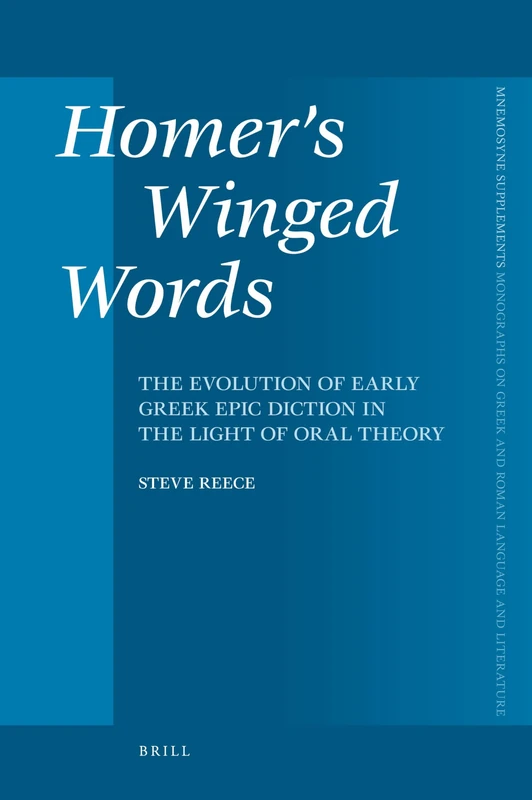
Brill Homer's Winged Words: The Evolution of Early Greek Epic Diction in the Light of Oral Theory (Mnemosyne Supplements Monographs on Greek and Roman Language and Literature): 313
We'll watch every seller, every day. One email when your price arrives.
Price History & Forecast
Grey patches = out of stock. Cheaper = lower on the chart. Hover for exact prices.
Last 85 days · 85 data points (no recent data)
NEW HERE?
Amazon shows you one price. We show you all of them.
Tosheroon watches Amazon prices so you don't have to. Every product on Amazon has a price history — we make it visible. Set the price you'd actually pay, and we'll email you the second it gets there. No app, no account, one email.
WHAT'S ON THIS PAGE
when this has been cheap or pricey
where the price is heading next
all-time high & low, recent range
name your number, we'll email you
Price Distribution
Price distribution over 85 days • 1 price levels
Price Analysis
Most common price: £186 (85 days, 100.0%)
Price range: £186 - £186
Price levels: 1 different prices over 85 days
Description
Product Specifications
- Brand
- Brill
- Format
- hardcover
- ASIN
- 9004174419
- Domain
- Amazon UK
- Release Date
- 30 June 2009
- Listed Since
- 13 March 2009
Barcode
No barcode data available
Similar Products You Might Like
Homer and the Oral Tradition
Cambridge University Press
Homeric Megathemes: War - Homilia - Homecoming (Greek Studies: Interdisciplinary Approaches)
Lexington Books
Poetry as Performance: Homer and Beyond
Cambridge University Press
Orality, Literacy and Performance in the Ancient World: Orality and Literacy in the Ancient World, vol. 9: 335 (Mnemosyne, Supplements, 335)
Brill
Homer and the Origin of the Greek Alphabet
Cambridge University Press
Between Orality and Literacy: Communication and Adaptation in Antiquity: Orality and Literacy in the Ancient World, vol. 10: 367 (Mnemosyne, Supplements, 367)
Brill
Greek Myths and Mesopotamia: Parallels and Influence in the Homeric Hymns and Hesiod
Routledge
Exemplum and Myth, Criticism and Creation: Papers on Early Greek Literature (Collected Classical Papers, 3)
Francis Cairns Publications
Quintus Smyrnaeus' Posthomerica: Engaging Homer in Late Antiquity: 343 (Mnemosyne, Supplements, 343)
Brill
Epiphanies and Dreams in Greek Polytheism: Textual Genres and 'Reality' from Homer to Heliodorus: 13 (MythosEikonPoiesis, 13)
De Gruyter
Greek Heroes in and Out of Hades (Greek Studies: Interdisciplinary Approaches)
Lexington Books
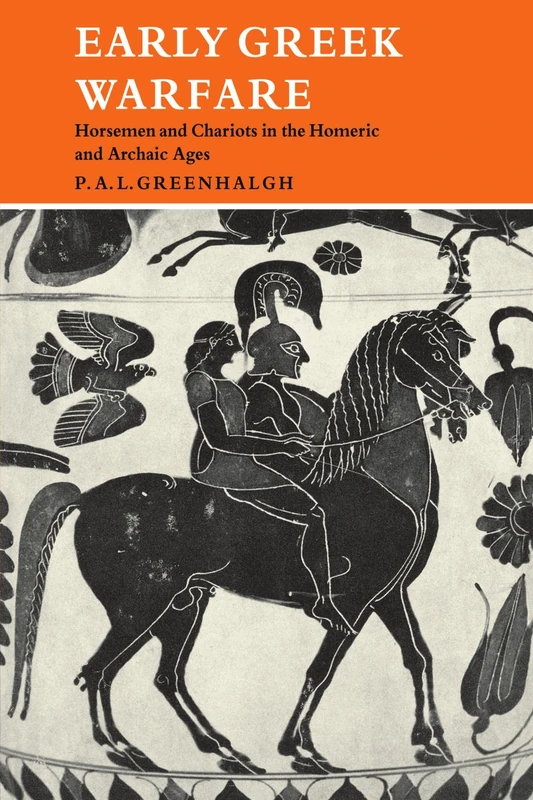
Early Greek Warfare: Horsemen and Chariots in the Homeric and Archaic Ages
Cambridge University Press
The Unknown Technology in Homer: 9 (History of Mechanism and Machine Science, 9)
Springer
Homer's People: Epic Poetry and Social Formation (Cambridge Classical Studies)
Cambridge University Press
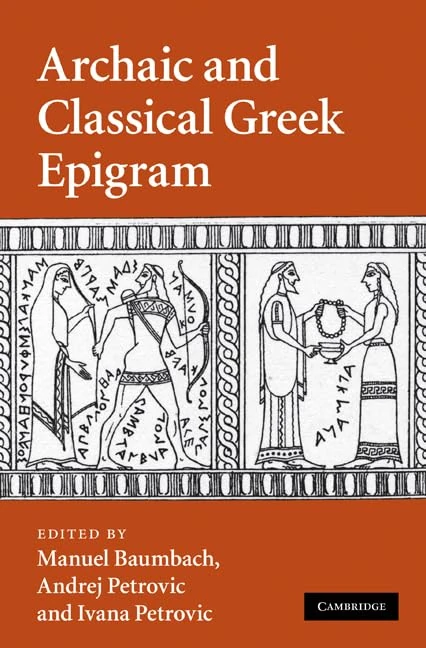
Archaic and Classical Greek Epigram
Cambridge University Press

Science and Technology in Homeric Epics: 6 (History of Mechanism and Machine Science, 6)
Springer
Challenges to the Power of Zeus in Early Greek Poetry (Criminal Practice Series)
Bloomsbury
A Narratological Commentary on the Odyssey
Cambridge University Press
Character, Narrator, and Simile in the Iliad
Cambridge University Press

Epische Szenen in Tragischem Kontext: Untersuchung Zu Den Homer-Bezuegen Bei Aischylos: 20 (Prismata)
Peter Lang Gmbh, Internationaler Verlag Der Wissenschaften
Support-verb constructions in the corpora of Greek
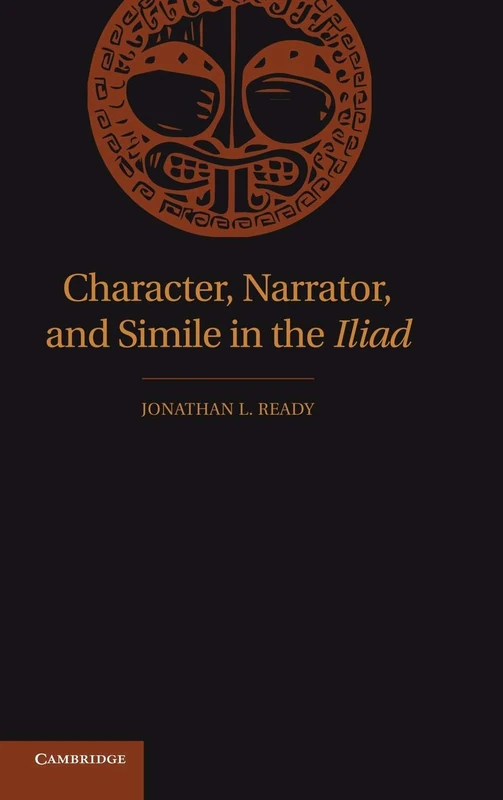
Character, Narrator, and Simile in the Iliad
Cambridge University Press
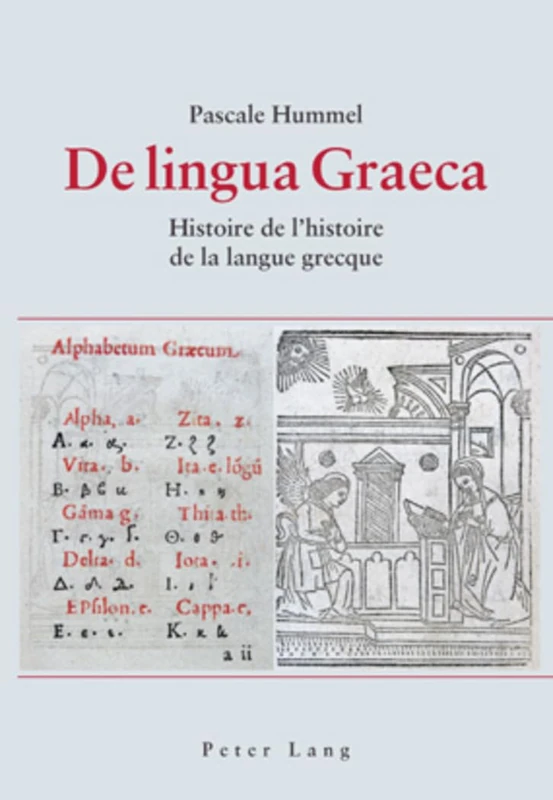
De lingua Graeca: Histoire de l'histoire de la langue grecque
Peter Lang Gmbh, Internationaler Verlag Der Wissenschaften
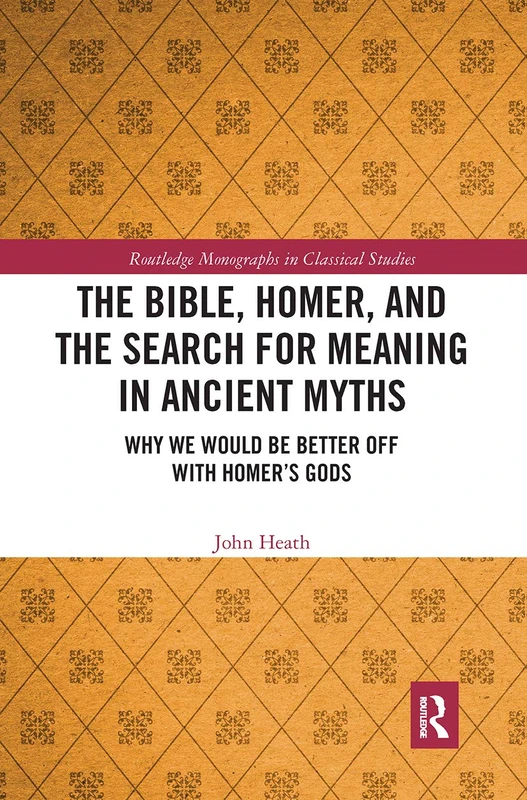
The Bible, Homer, and the Search for Meaning in Ancient Myths: Why We Would Be Better Off With Homer’s Gods (Routledge Monographs in Classical Studies)
Routledge