We can't find the internet
Attempting to reconnect
Something went wrong
Hang in there while we get back on track
£76.42
This is the most expensive it has ever been. Walk away.
£76 today · previous high £76 · all-time low £76
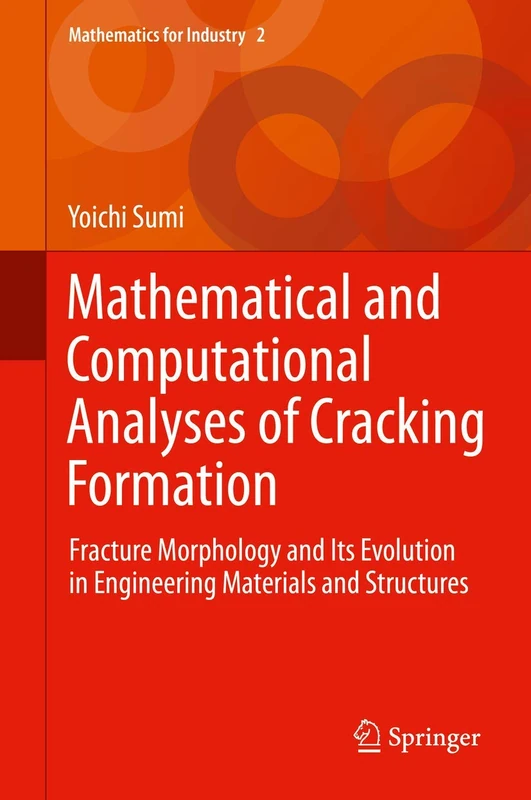
Springer Mathematical and Computational Analyses of Cracking Formation: Fracture Morphology and Its Evolution in Engineering Materials and Structures: 2 (Mathematics for Industry, 2)
We'll watch every seller, every day. One email when your price arrives.
Price History & Forecast
Grey patches = out of stock. Cheaper = lower on the chart. Hover for exact prices.
Last 61 days · 61 data points (no recent data)
NEW HERE?
Amazon shows you one price. We show you all of them.
Tosheroon watches Amazon prices so you don't have to. Every product on Amazon has a price history — we make it visible. Set the price you'd actually pay, and we'll email you the second it gets there. No app, no account, one email.
WHAT'S ON THIS PAGE
when this has been cheap or pricey
where the price is heading next
all-time high & low, recent range
name your number, we'll email you
Price Distribution
Price distribution over 61 days • 1 price levels
Price Analysis
Most common price: £76 (61 days, 100.0%)
Price range: £76 - £76
Price levels: 1 different prices over 61 days
Description
Product Specifications
- Brand
- Springer
- Format
- hardcover
- ASIN
- 443154934X
- Domain
- Amazon UK
- Release Date
- 01 July 2014
- Listed Since
- 06 February 2014
Barcode
No barcode data available
Similar Products You Might Like
Cracks and Fracture - Academic Press Engineering Mechanics
Elsevier
Modeling of Creep for Structural Analysis (Foundations of Engineering Mechanics)
Springer
Statics and Mechanics of Materials: An Integrated Treatment
College House Enterprises, LLC
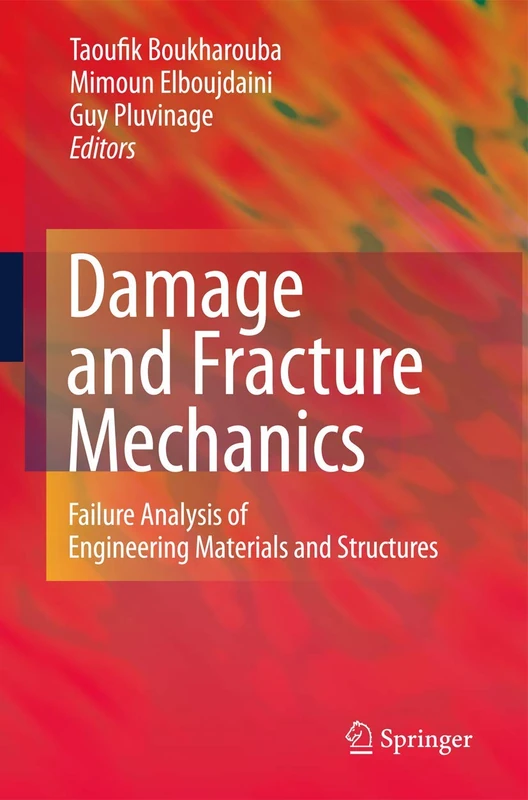
Damage and Fracture Mechanics: Failure Analysis of Engineering Materials and Structures
Springer
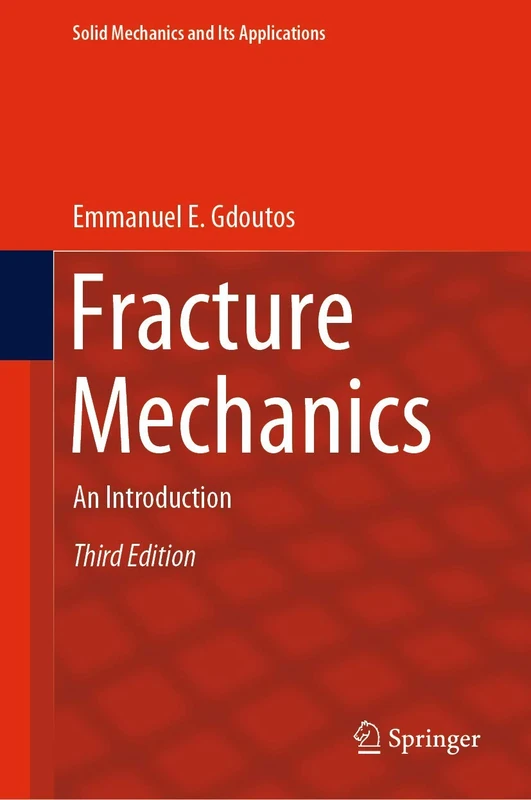
Fracture Mechanics: An Introduction: 263 (Solid Mechanics and Its Applications, 263)
Springer
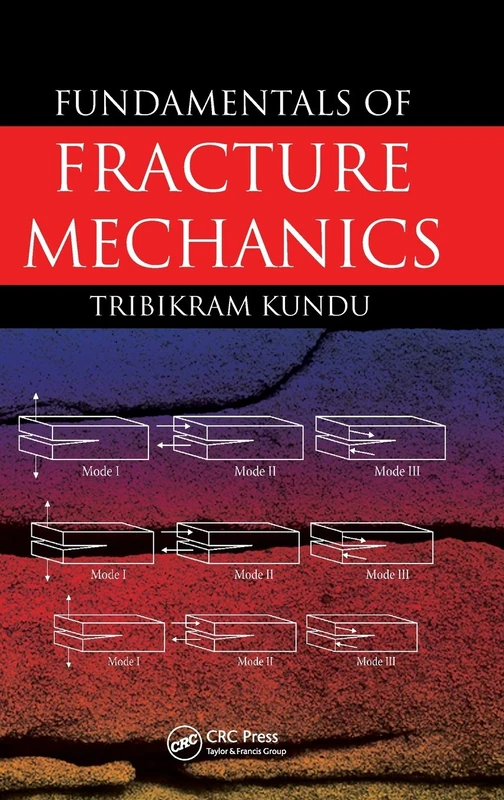
Fundamentals of Fracture Mechanics
CRC Press
Methods of Analysis and Solutions of Crack Problems: 1 (Mechanics of Fracture, 1)
Springer
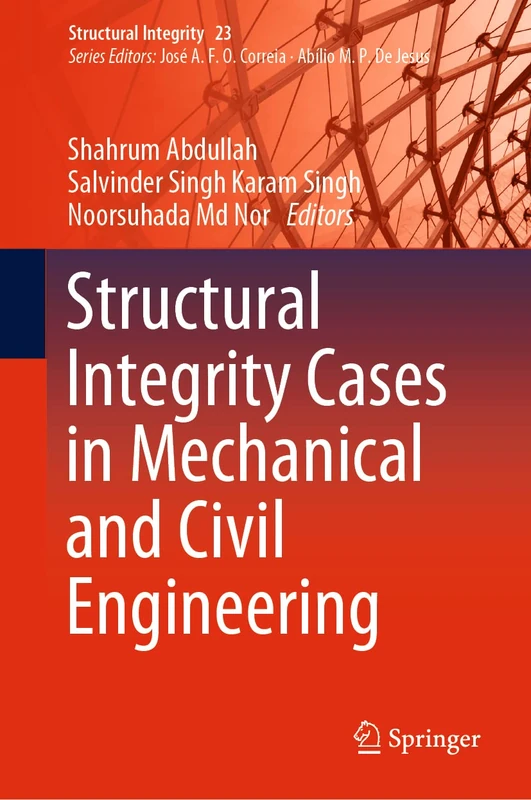
Structural Integrity Cases in Mechanical and Civil Engineering: 23
Springer
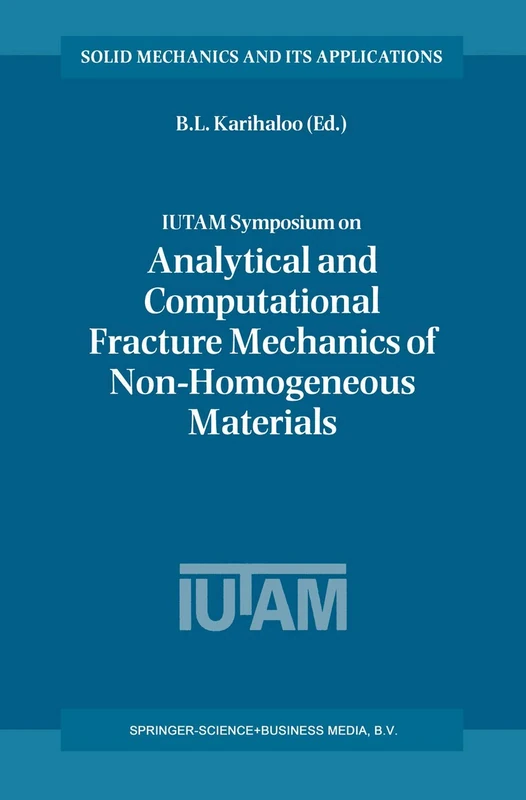
IUTAM Symposium on Analytical and Computational Fracture Mechanics of Non-Homogeneous Materials: Proceedings of the IUTAM Symposium held in Cardiff, ... 97 (Solid Mechanics and Its Applications)
Springer
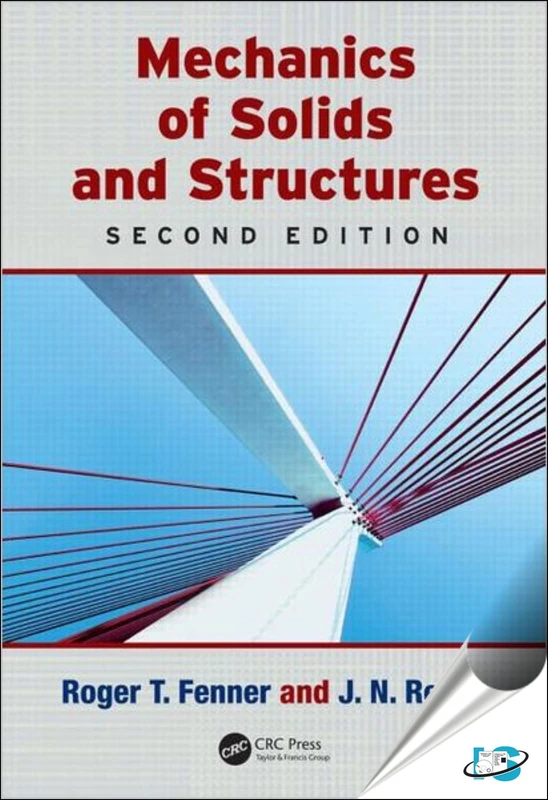
Mechanics of Solids and Structures (Applied and Computational Mechanics)
CRC Press

Micromechanisms of Fracture and Fatigue: In a Multi-scale Context (Engineering Materials and Processes)
Springer