We can't find the internet
Attempting to reconnect
Something went wrong
Hang in there while we get back on track
£161.15
This is the most expensive it has ever been. Walk away.
£161 today · previous high £161 · all-time low £150
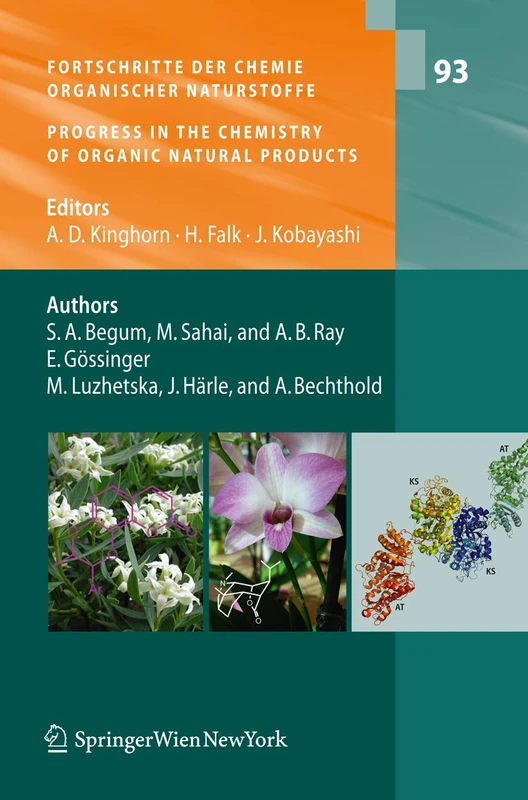
Springer Fortschritte der Chemie organischer Naturstoffe / Progress in the Chemistry of Organic Natural Products, Vol. 93
We'll watch every seller, every day. One email when your price arrives.
Price History & Forecast
Grey patches = out of stock. Cheaper = lower on the chart. Hover for exact prices.
Last 76 days · 76 data points (no recent data)
NEW HERE?
Amazon shows you one price. We show you all of them.
Tosheroon watches Amazon prices so you don't have to. Every product on Amazon has a price history — we make it visible. Set the price you'd actually pay, and we'll email you the second it gets there. No app, no account, one email.
WHAT'S ON THIS PAGE
when this has been cheap or pricey
where the price is heading next
all-time high & low, recent range
name your number, we'll email you
Price Distribution
Price distribution over 76 days • 3 price levels
Price Analysis
Most common price: £150 (57 days, 75.0%)
Price range: £150 - £161
Price levels: 3 different prices over 76 days
Description
Product Specifications
- Brand
- Springer
- Format
- hardcover
- ASIN
- 3709101395
- Domain
- Amazon UK
- Release Date
- 29 June 2010
- Listed Since
- 28 May 2010
Barcode
No barcode data available
Similar Products You Might Like
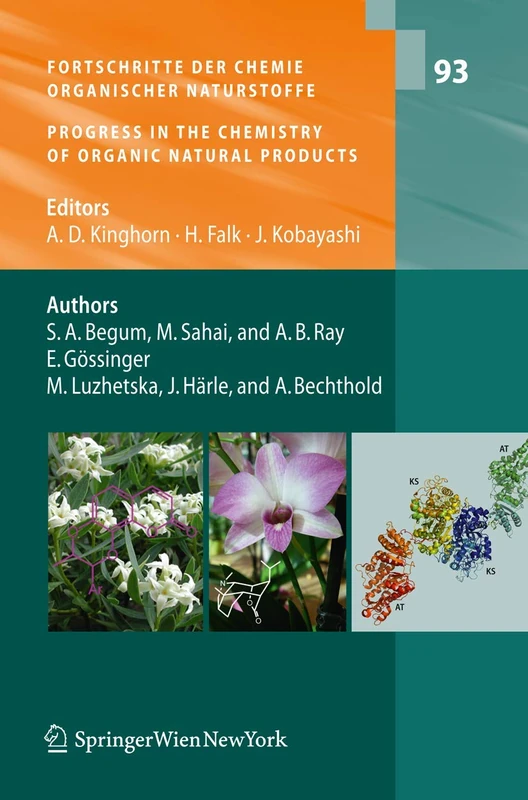
Fortschritte der Chemie organischer Naturstoffe / Progress in the Chemistry of Organic Natural Products, Vol. 93
Springer
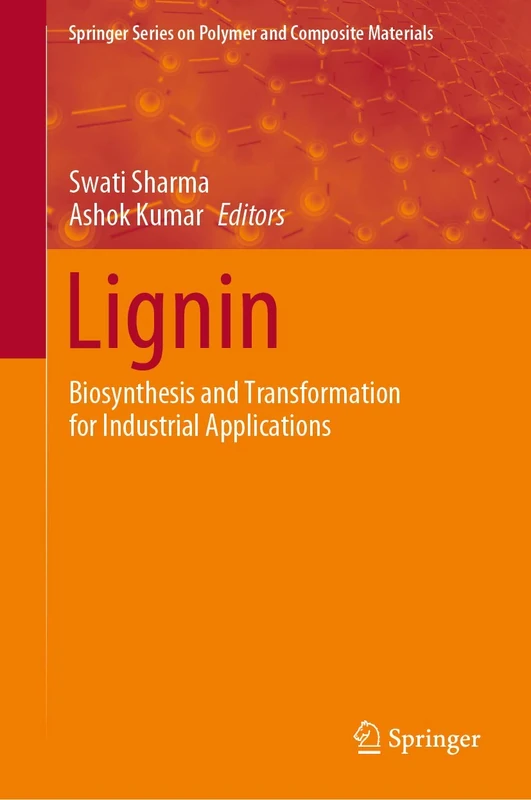
Lignin: Biosynthesis and Transformation for Industrial Applications (Springer Series on Polymer and Composite Materials)
Springer
Lignin: Biosynthesis and Transformation for Industrial Applications (Springer Series on Polymer and Composite Materials)
Springer
Lignin Molecular Biogeochemistry: Principles and Practices
Lignans
MDPI AG
Lignans: Chemical, Biological and Clinical Properties (Chemistry and Pharmacology of Natural Products)
Cambridge University Press
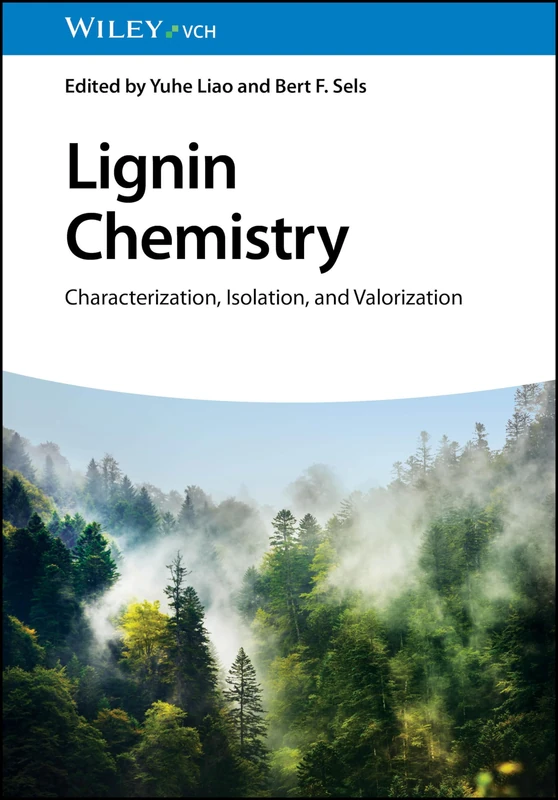
Lignin Chemistry: Characterization, Isolation, and Valorization
Wiley
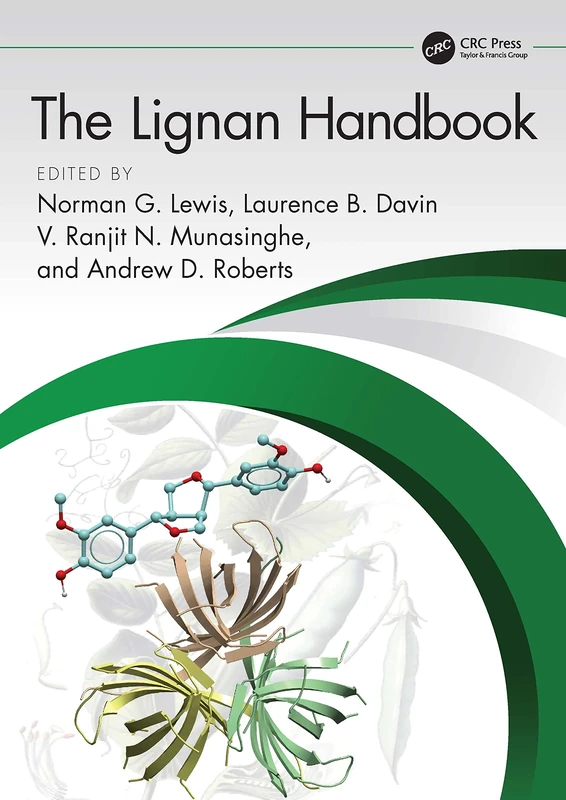
The Lignan Handbook
CRC Press
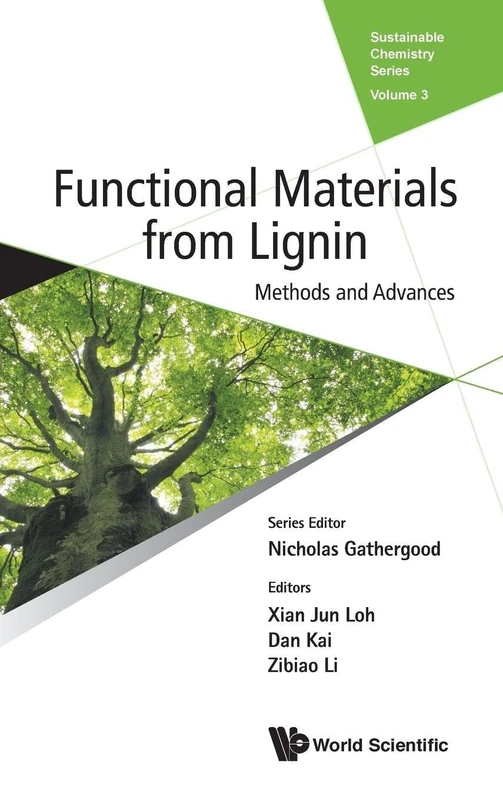
Functional Materials From Lignin: Methods And Advances: 3 (SUSTAINABLE CHEMISTRY SERIES)
World Scientific Publishing Company
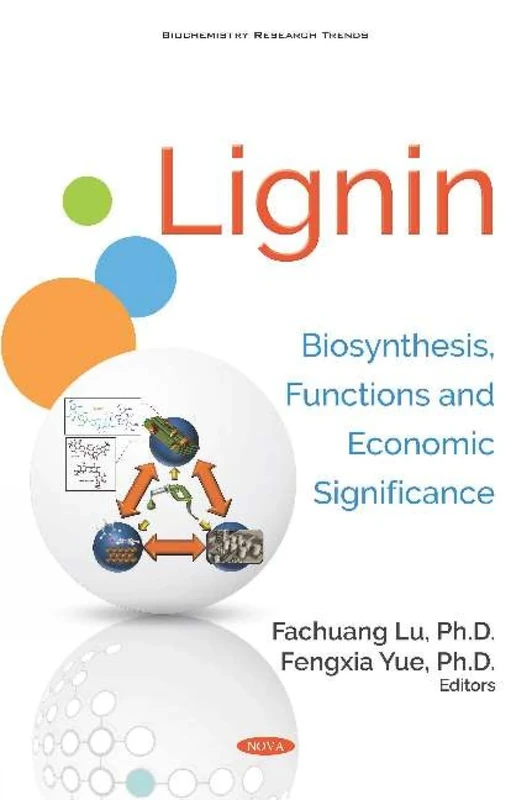
Lignin: Biosynthesis, Functions and Economic Significance
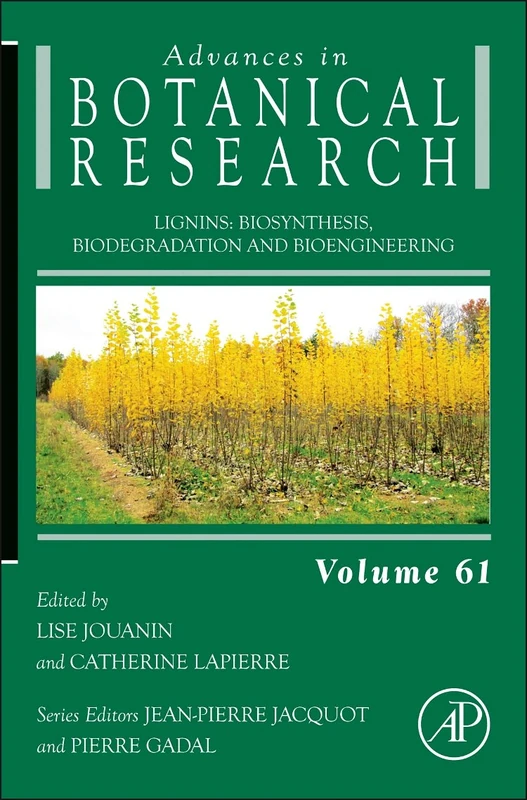
Lignins Volume 61 - Biosynthesis, Biodegradation & Bioengineering
Elsevier
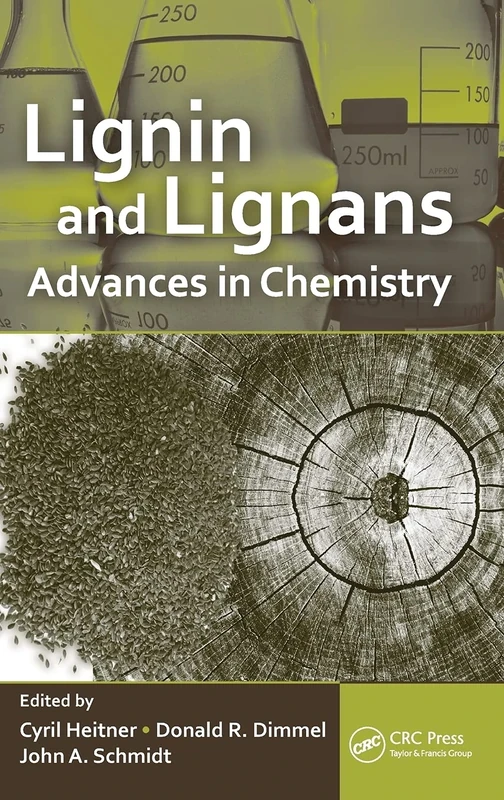
Lignin and Lignans: Advances in Chemistry
CRC Press
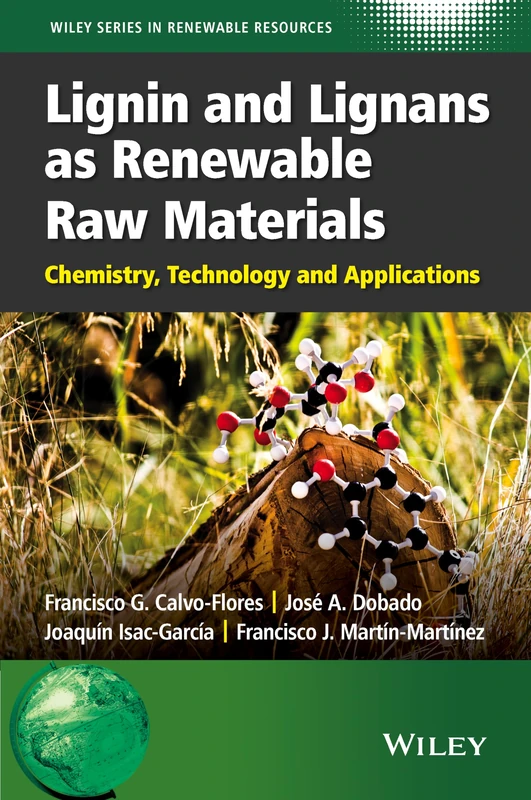
Lignin and Lignans as Renewable Raw Materials: Chemistry, Technology and Applications (Wiley Series in Renewable Resource)
Wiley
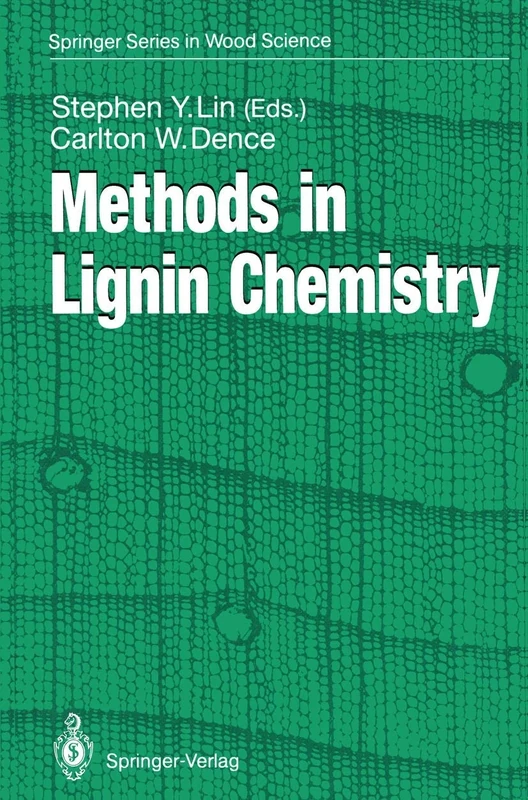
Springer Methods in Lignin Chemistry - Wood Science Series
Springer
Production of Biofuels and Chemicals from Lignin: 6 (Biofuels and Biorefineries, 6)
Springer
Conversion of Lignin into Bio-Based Chemicals and Materials (Green Chemistry and Sustainable Technology)
Springer
Improvement of Forest Resources for Recyclable Forest Products
Springer
Conversion of Lignin into Bio-Based Chemicals and Materials (Green Chemistry and Sustainable Technology)
Springer
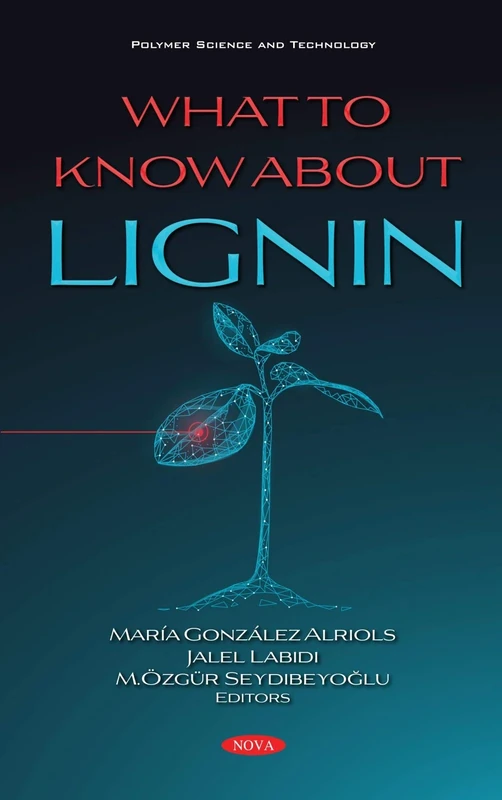
What to Know about Lignin (Polymer Science and Technology)
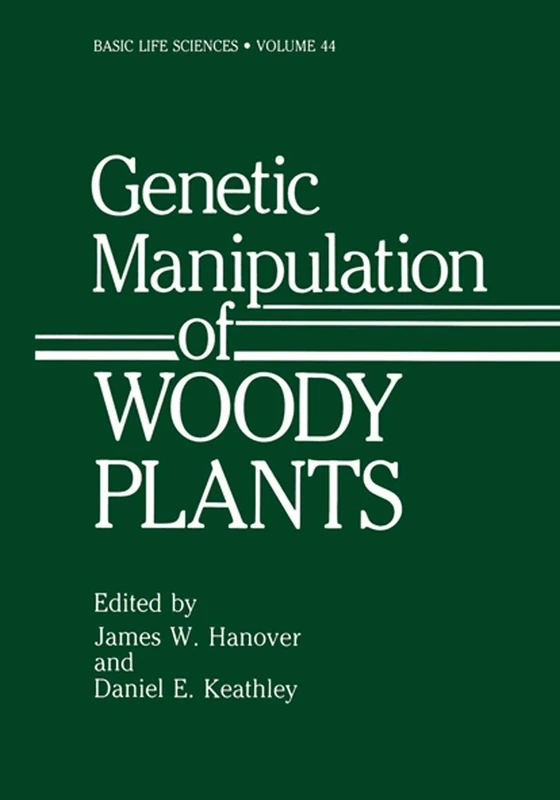
Genetic Manipulation of Woody Plants: 44 (Basic Life Sciences, 44)
Springer
Die Chemie der Pflanzenzellwand: Ein Beitrag zur Morphologie Physik · Chemie und Technologie der Cellulose und ihrer Begleiter
Springer
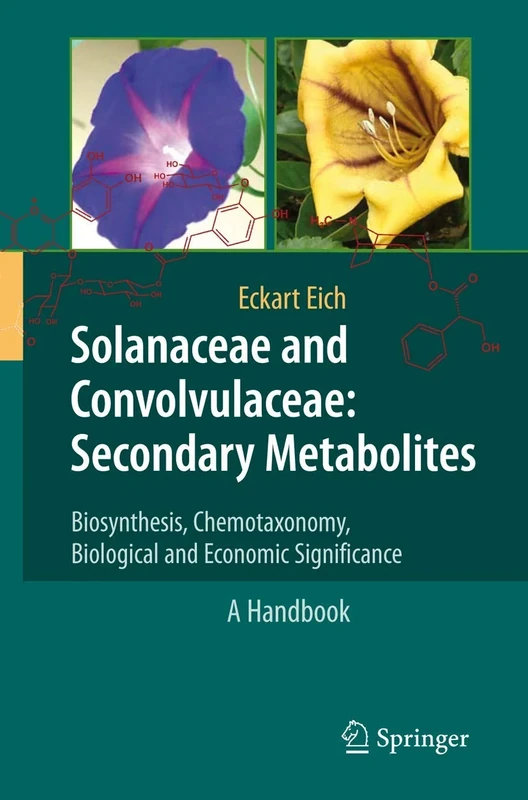
Solanaceae and Convolvulaceae: Secondary Metabolites: Biosynthesis, Chemotaxonomy, Biological and Economic Significance (A Handbook)
Springer
Carbon-Carbon ?-Bond Formation: Volume 3 (Comprehensive Organic Synthesis II - Online)
Elsevier