We can't find the internet
Attempting to reconnect
Something went wrong
Hang in there while we get back on track
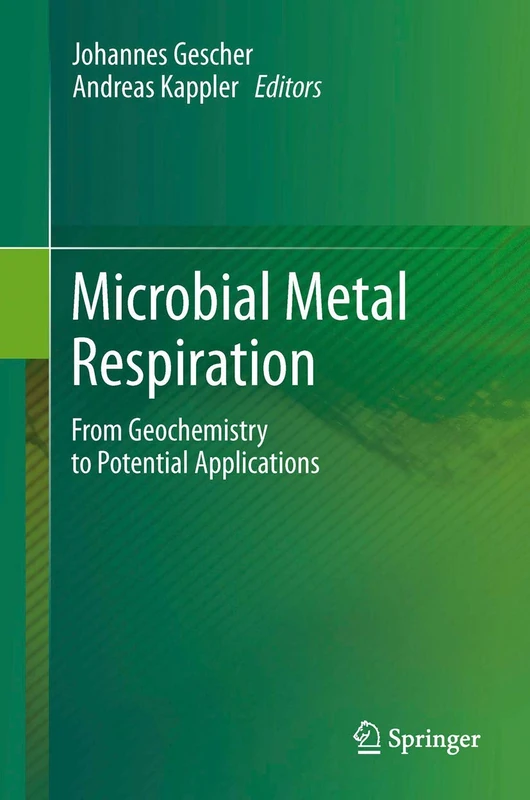
£108.01
This is the most expensive it has ever been. Walk away.
£108 today · previous high £108 · all-time low £108
Springer Microbial Metal Respiration: From Geochemistry to Potential Applications
We'll watch every seller, every day. One email when your price arrives.
Price History & Forecast
Grey patches = out of stock. Cheaper = lower on the chart. Hover for exact prices.
Last 17 days · 17 data points (no recent data)
NEW HERE?
Amazon shows you one price. We show you all of them.
Tosheroon watches Amazon prices so you don't have to. Every product on Amazon has a price history — we make it visible. Set the price you'd actually pay, and we'll email you the second it gets there. No app, no account, one email.
WHAT'S ON THIS PAGE
when this has been cheap or pricey
where the price is heading next
all-time high & low, recent range
name your number, we'll email you
Price Distribution
Price distribution over 17 days • 1 price levels
Price Analysis
Most common price: £108 (17 days, 100.0%)
Price range: £108 - £108
Price levels: 1 different prices over 17 days
Description
Product Specifications
- Brand
- Springer
- Format
- paperback
- ASIN
- 3642441386
- Domain
- Amazon UK
- Release Date
- 14 December 2014
- Listed Since
- 04 December 2014
Barcode
No barcode data available
Similar Products You Might Like
Bacteria-Metal Interactions
Springer
Microbial Metabolism of Metals and Metalloids: 10 (Advances in Environmental Microbiology, 10)
Springer

Microbial Biosorption of Metals
Springer

Geomicrobiology and Biogeochemistry: 39 (Soil Biology, 39)
Springer
Degradation of Chlorinated Hydrocarbons by Fe(II) species: Influence of Cu ions on the dechlorination reactions and modification of mineral surfaces
LAP Lambert Academic Publishing
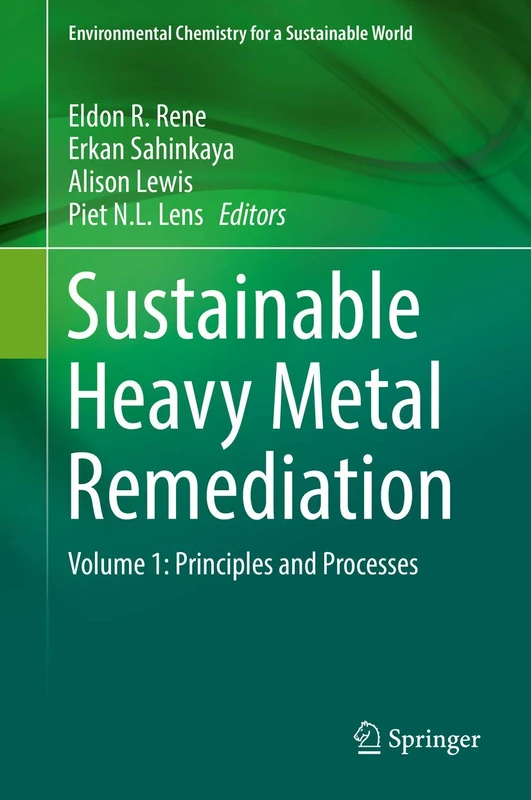
Sustainable Heavy Metal Remediation: Volume 1: Principles and Processes: 8 (Environmental Chemistry for a Sustainable World, 8)
Springer

Methods in Applied Soil Microbiology and Biochemistry
Academic Press
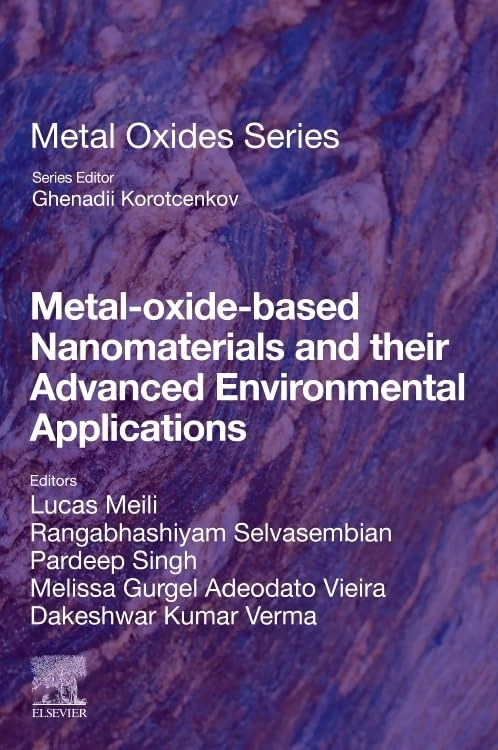
Metal-Oxide-Based Nanomaterials and their Advanced Environmental Applications
Elsevier

Microbial Technology in Mineral Processing and Metal Extraction
CRC Press
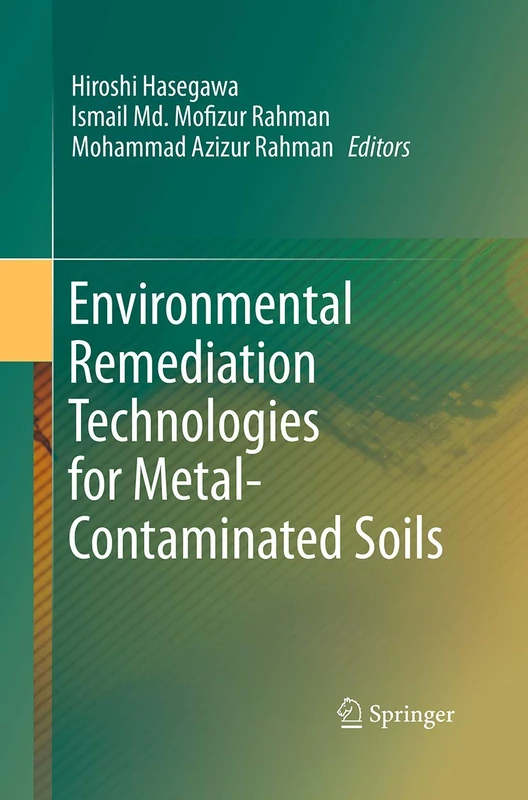
Environmental Remediation Technologies for Metal-Contaminated Soils
Springer

Microbial Siderophores: 12 (Soil Biology, 12)
Springer

Microbial Siderophores: 12 (Soil Biology, 12)
Springer
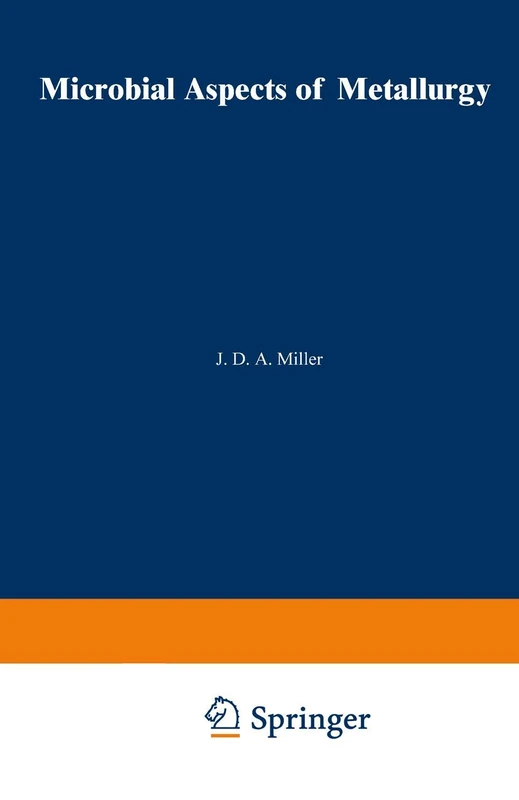
Microbial Aspects of Metallurgy
Springer

Biosorption Processes for Heavy Metal Removal
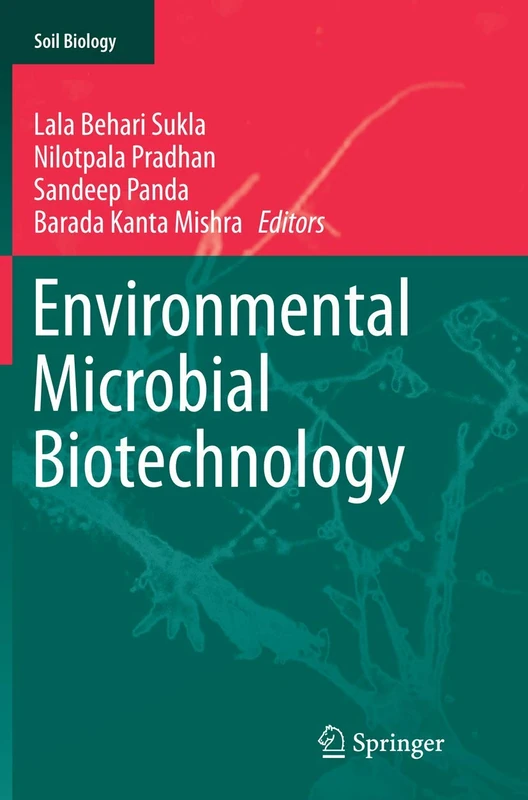
Environmental Microbial Biotechnology: 45 (Soil Biology, 45)
Springer
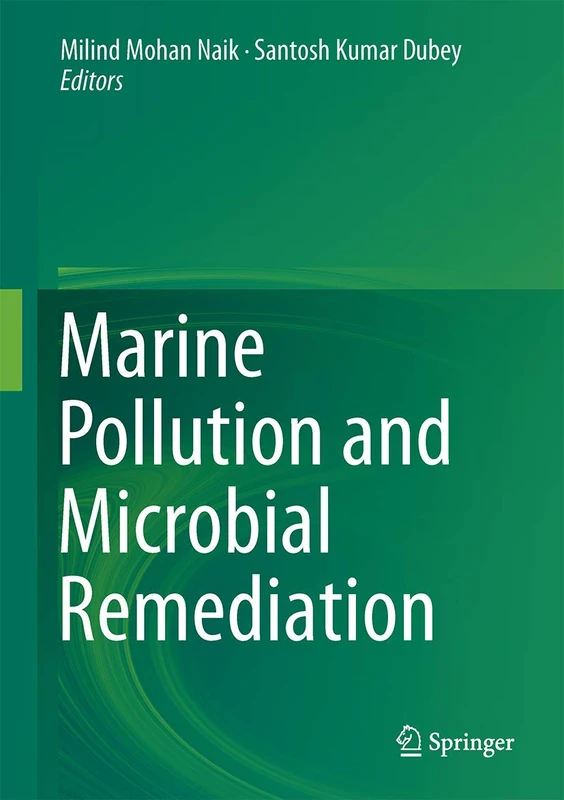
Marine Pollution and Microbial Remediation
Springer
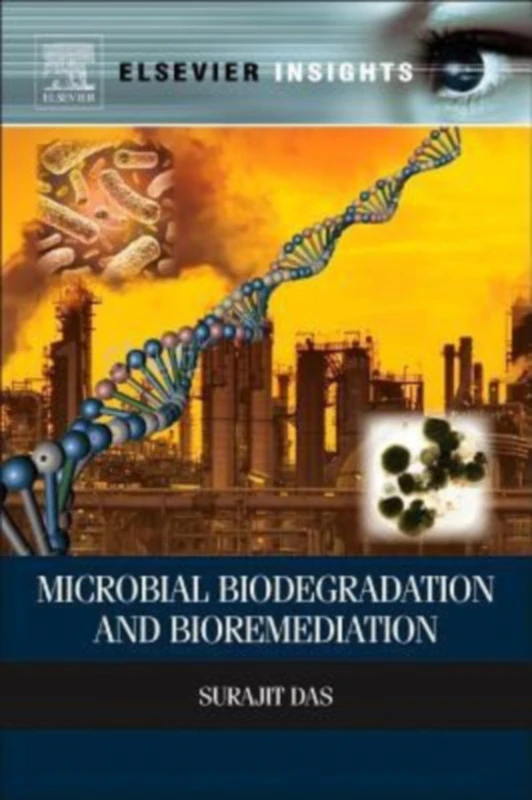
Microbial Biodegradation and Bioremediation
Elsevier
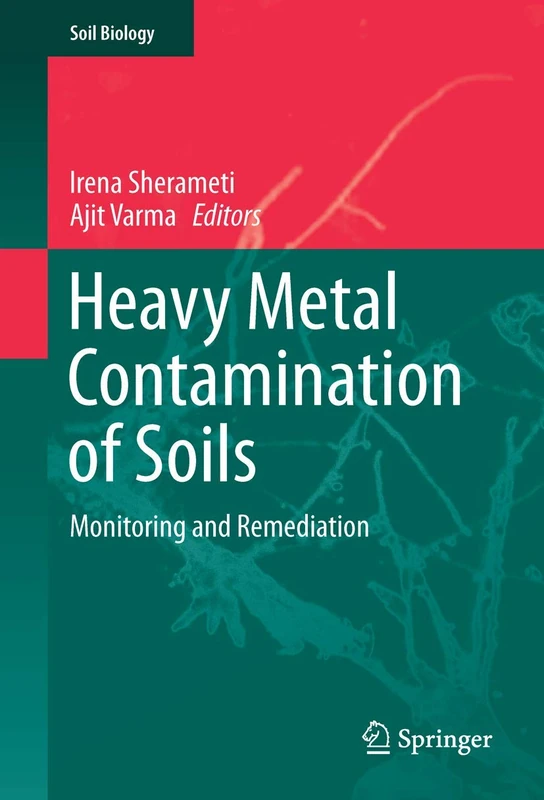
Heavy Metal Contamination of Soils: Monitoring and Remediation: 44 (Soil Biology, 44)
Springer
Biomanagement of Metal-Contaminated Soils: 20 (Environmental Pollution, 20)
Springer

Metal Nanoparticles in Microbiology
Springer
Redox: Fundamentals, Processes and Applications
Springer

Methanotrophs: Microbiology Fundamentals and Biotechnological Applications: 32 (Microbiology Monographs, 32)
Springer

Biochemistry and Physiology of Anaerobic Bacteria
Springer

Nanotechnology for Environmental Remediation (Modern Inorganic Chemistry)
Springer