We can't find the internet
Attempting to reconnect
Something went wrong
Hang in there while we get back on track
£56.60
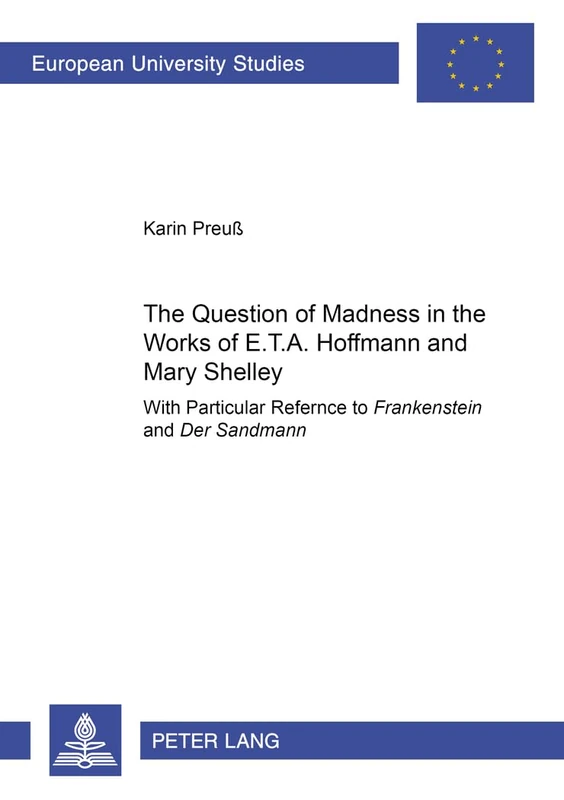
Peter Lang Gmbh, Internationaler Verlag Der Wissenschaften The Question of Madness in the Works of E.T.A. Hoffmann and Mary Shelley: With Particular Reference to "Frankenstein" and "Der Sandmann": 107 ... Literature / Série 18: Littérature comparée)
Price data last checked 61 day(s) ago - refreshing...
We'll watch every seller, every day. One email when your price arrives.
It has never been this cheap. We have no record of a lower price.
£57 today · cheaper than every other day in the last 3 months
NEW HERE?
Amazon shows you one price. We show you all of them.
Tosheroon watches Amazon prices so you don't have to. Every product on Amazon has a price history — we make it visible. Set the price you'd actually pay, and we'll email you the second it gets there. No app, no account, one email.
WHAT'S ON THIS PAGE
when this has been cheap or pricey
where the price is heading next
all-time high & low, recent range
name your number, we'll email you
Price History & Forecast
Grey patches = out of stock. Cheaper = lower on the chart. Hover for exact prices.
Last 30 days · 30 data points (no recent data)
Price Distribution
Price distribution over 30 days • 1 price levels
Price Analysis
Most common price: £57 (30 days, 100.0%)
Price range: £57 - £57
Price levels: 1 different prices over 30 days
Description
Product Specifications
- Format
- paperback
- ASIN
- 363150604X
- Category
- Books > Subjects > Poetry, Drama & Criticism > History & Criticism > Literary Theory & Movements
- Domain
- Amazon UK
- Release Date
- 24 April 2003
- Listed Since
- 31 December 2006
Barcode
No barcode data available
Similar Products You Might Like
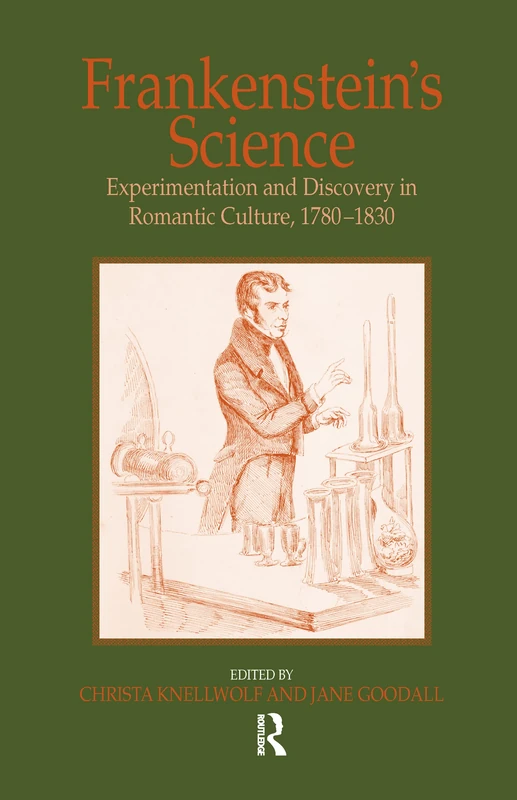
Frankenstein's Science: Experimentation and Discovery in Romantic Culture, 1780–1830
Routledge
The Frankenstein Notebooks (Routledge Revivals: the Frankenstein Notebooks, 1)
Routledge
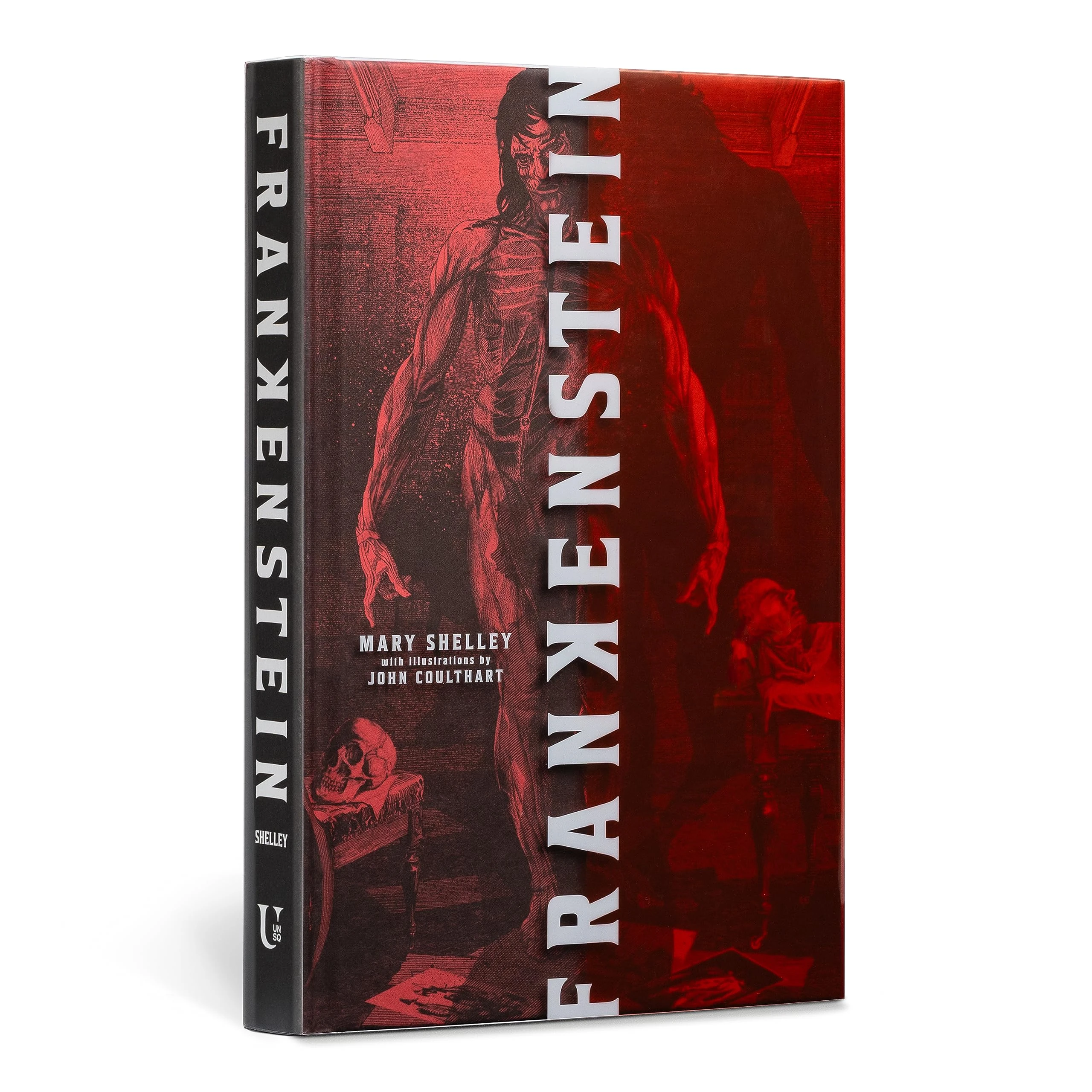
Union Square & Co. Frankenstein Deluxe Illustrated Edition
Union Square & Co.
Mary Shelley's Frankenstein: A Routledge Study Guide and Sourcebook (Routledge Guides to Literature)
Routledge
Shelley's Frankenstein (Reader's Guides)
Continuum
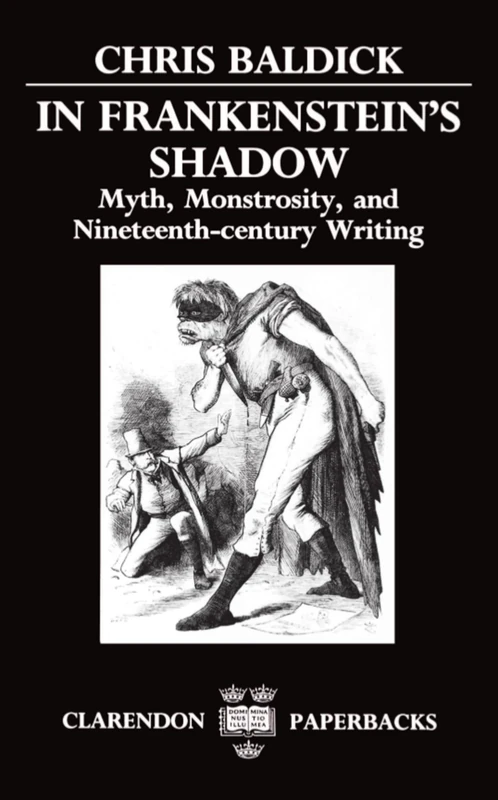
In Frankenstein's Shadow: Myth, Monstrosity, and Nineteenth-Century Writing (Clarendon Paperbacks)
Oxford University Press
Mary Shelley: Frankenstein: 32 (Analysing Texts)
Red Globe Press
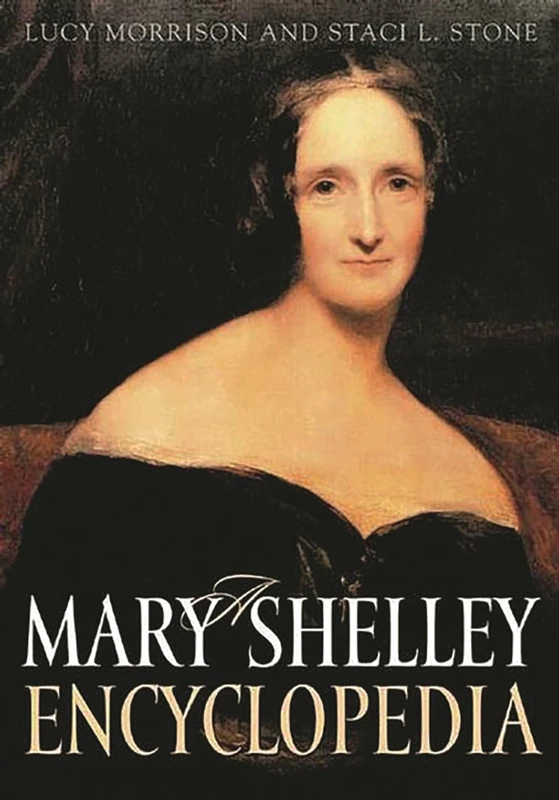
A Mary Shelley Encyclopedia
Greenwood

Vintage Classics Frankenstein by Mary Shelley - Deluxe Edition
Vintage Classics

The Cambridge Companion to Mary Shelley (Cambridge Companions to Literature)
Cambridge University Press
Madness and Morals: Ideas on Insanity in the Nineteenth Century (Routledge Revivals)
Routledge
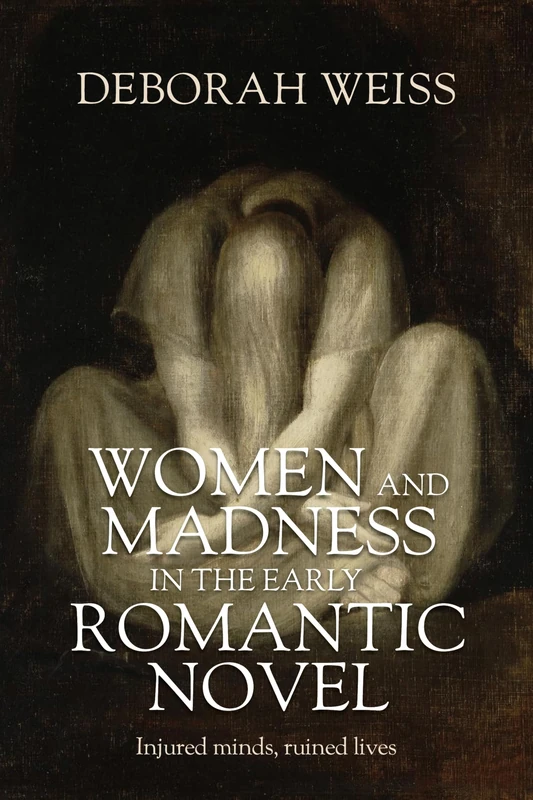
Women and madness in the early Romantic novel: Injured minds, ruined lives
Manchester University Press
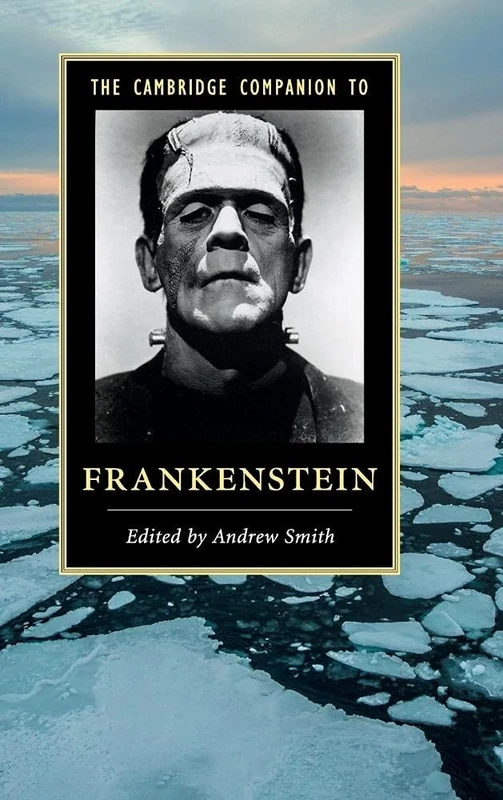
The Cambridge Companion to Frankenstein (Cambridge Companions to Literature)
Cambridge University Press
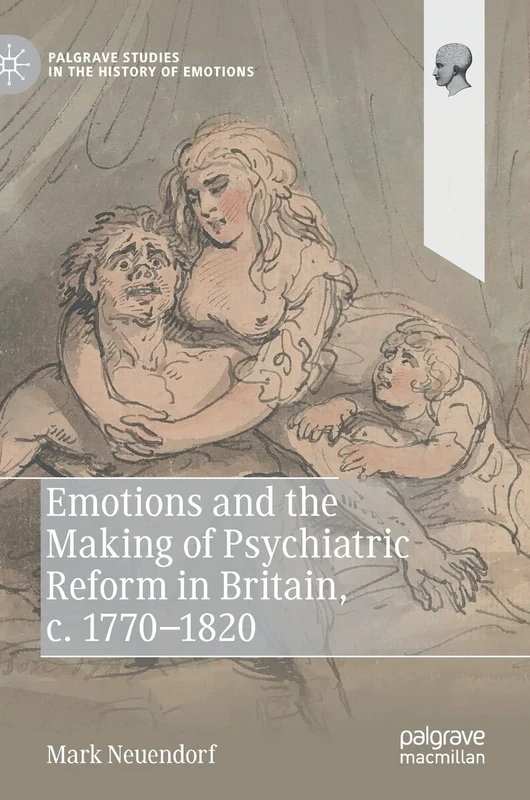
Emotions and the Making of Psychiatric Reform in Britain, c. 1770-1820 (Palgrave Studies in the History of Emotions)
MACMILLAN
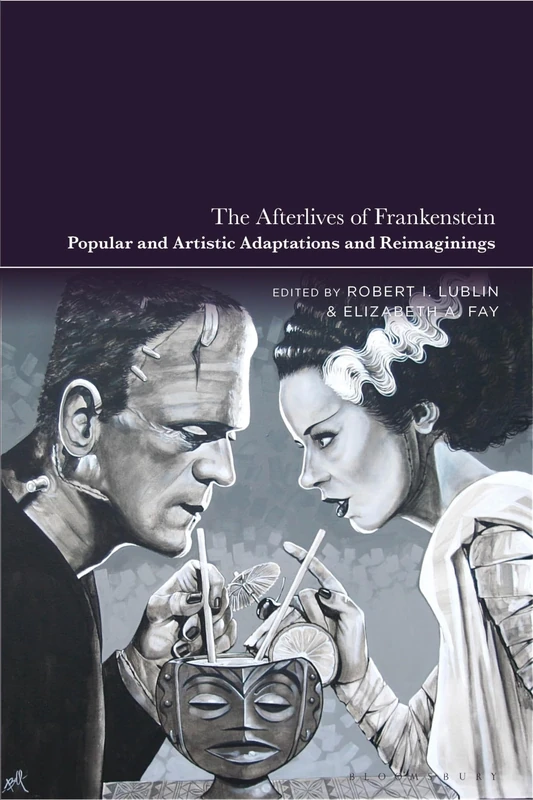
The Afterlives of Frankenstein: Popular and Artistic Adaptations and Reimaginings
Bloomsbury Academic

Critical Companion to Mary Shelley (Critical Companion to Critical Companion to): A Literary Reference to Her Life and Work (Critical Companion (Hardcover))
Facts on File
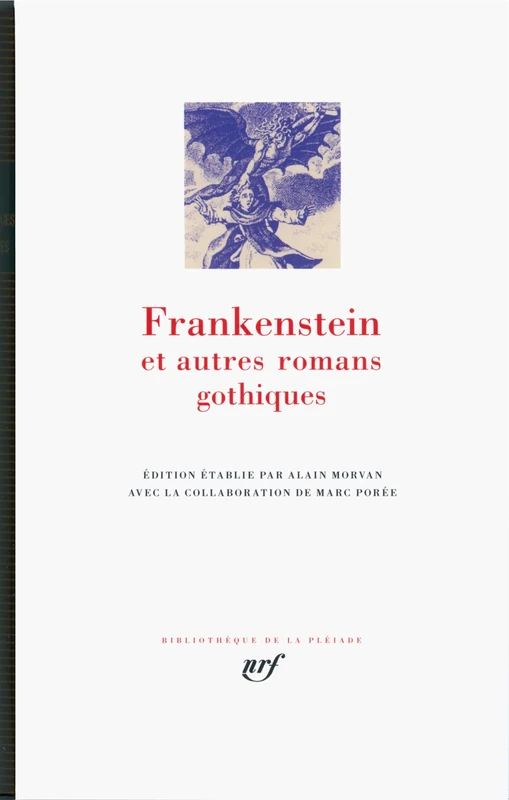
Frankenstein et autres romans gothiques: Le château d'Otrante ; Vathek ; Le moine ; L'Italien ou le confessionnal des pénitents noirs ; Frankenstein ou le Prométhée moderne
GALLIMARD
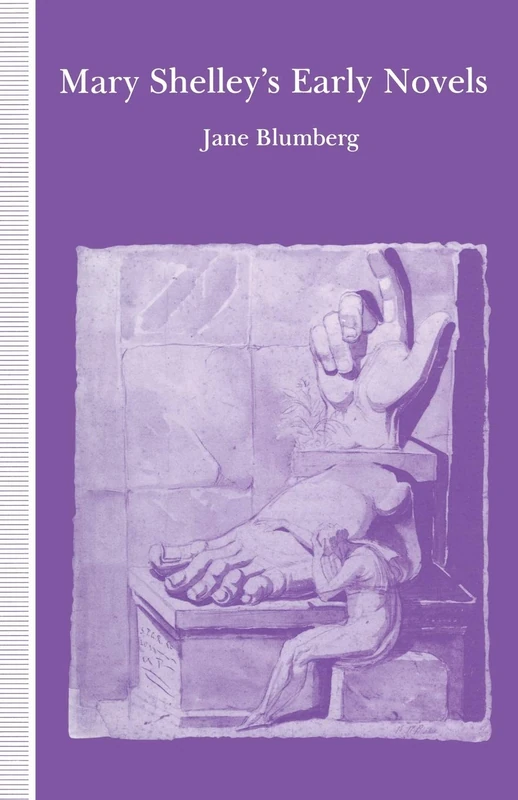
Mary Shelley’s Early Novels: ‘This Child of Imagination and Misery’
MACMILLAN
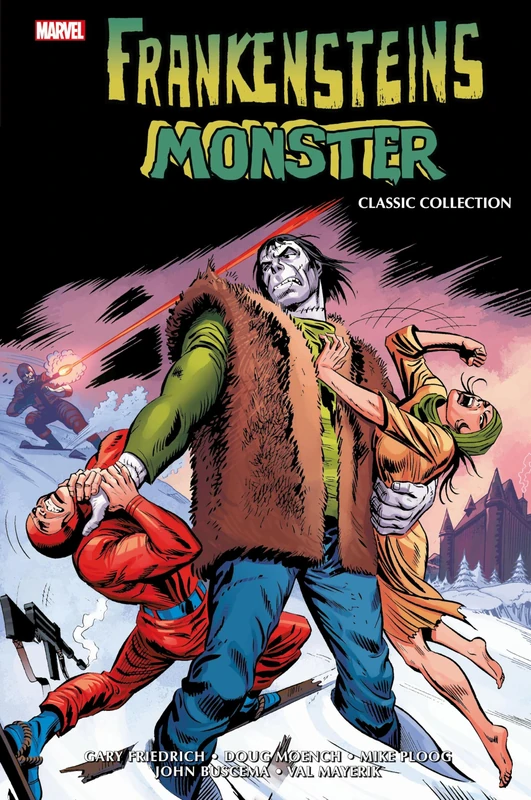
Frankensteins Monster: Classic Collection
Panini
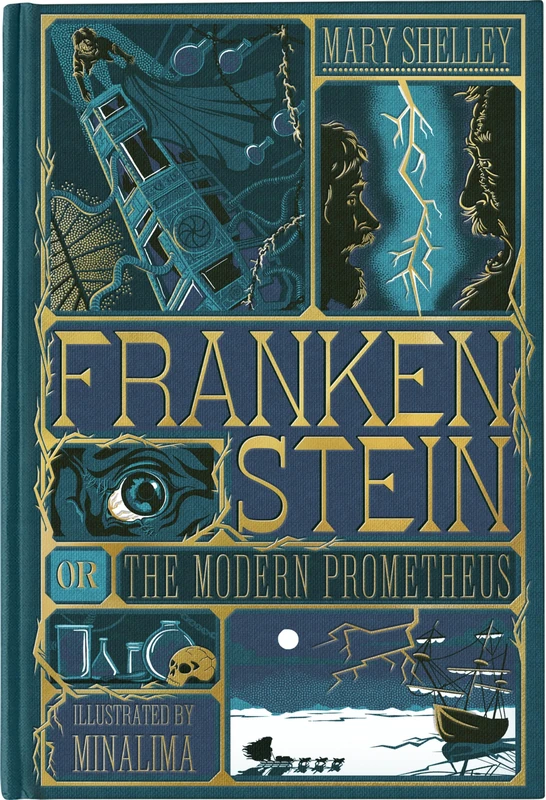
Frankenstein (MinaLima Edition): A Great Fall or Halloween Read
Harper
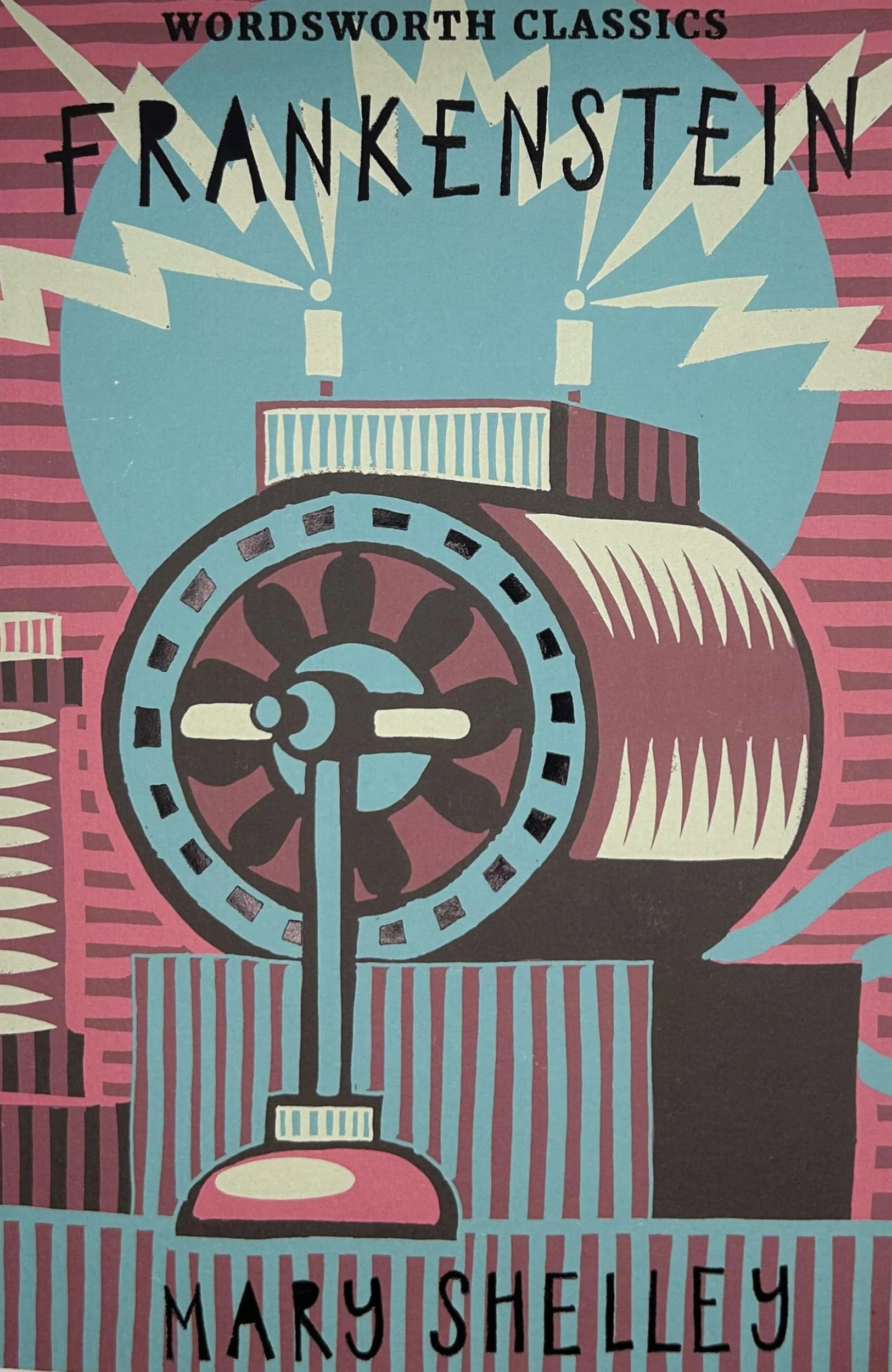
Frankenstein (Wordsworth Classics)
Wordsworth Editions
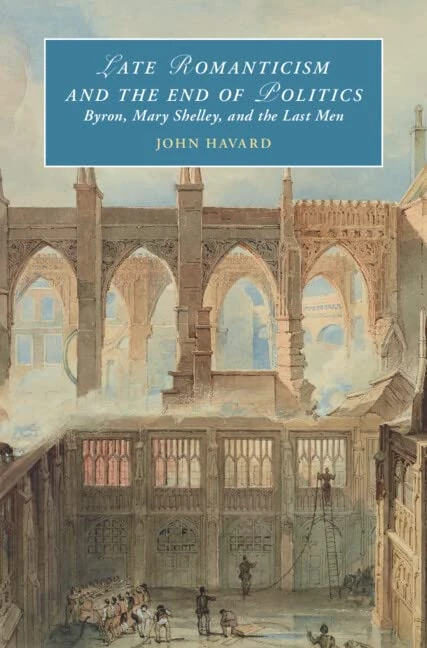
Late Romanticism and the End of Politics: Byron, Mary Shelley, and the Last Men (Cambridge Studies in Romanticism)
Cambridge University Press
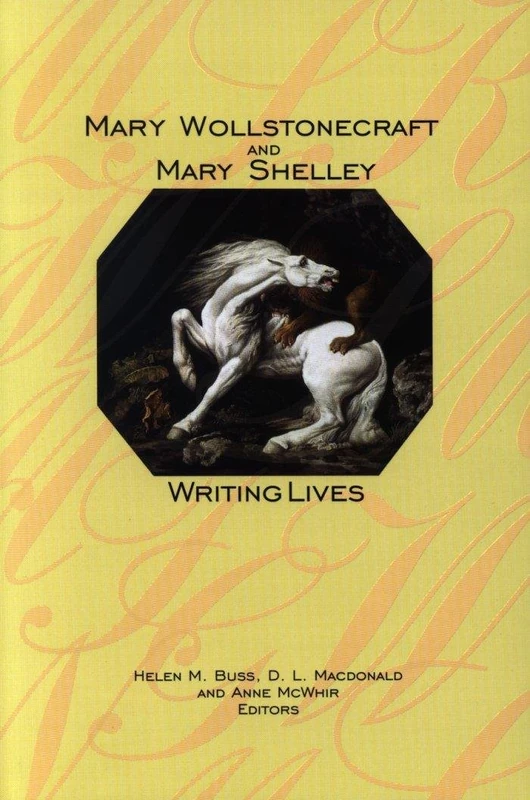
Mary Wollstonecraft and Mary Shelley: Writing Lives
Wilfrid Laurier University Press
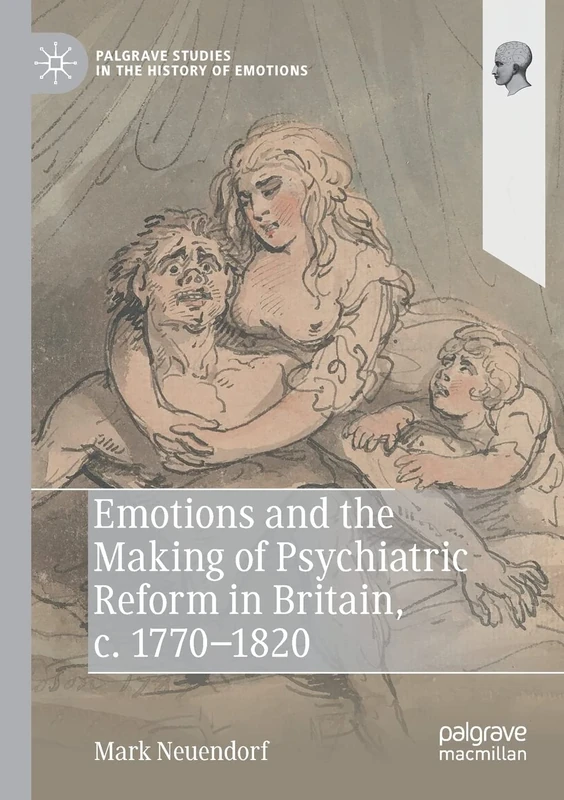
Emotions and the Making of Psychiatric Reform in Britain, c. 1770-1820 (Palgrave Studies in the History of Emotions)
MACMILLAN