We can't find the internet
Attempting to reconnect
Something went wrong
Hang in there while we get back on track
£169.64
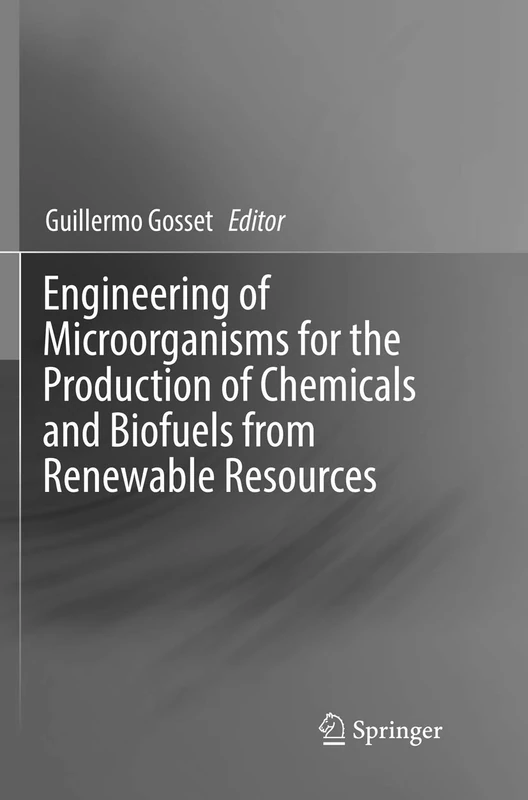
Springer Engineering of Microorganisms for the Production of Chemicals and Biofuels from Renewable Resources
Price data last checked 13 day(s) ago - will refresh soon
We'll watch every seller, every day. One email when your price arrives.
This is the usual price. Wait for it to drop, or tell us your number.
£170 today · usual range £109–£172 · best ever £109
NEW HERE?
Amazon shows you one price. We show you all of them.
Tosheroon watches Amazon prices so you don't have to. Every product on Amazon has a price history — we make it visible. Set the price you'd actually pay, and we'll email you the second it gets there. No app, no account, one email.
WHAT'S ON THIS PAGE
when this has been cheap or pricey
where the price is heading next
all-time high & low, recent range
name your number, we'll email you
Price History & Forecast
Grey patches = out of stock. Cheaper = lower on the chart. Hover for exact prices.
Last 78 days · 78 data points (no recent data)
Price Distribution
Price distribution over 78 days • 3 price levels
Price Analysis
Most common price: £109 (49 days, 62.8%)
Price range: £109 - £172
Price levels: 3 different prices over 78 days
Description
Product Specifications
- Brand
- Springer
- Format
- paperback
- ASIN
- 3319847287
- Domain
- Amazon UK
- Release Date
- 28 July 2018
- Listed Since
- 30 July 2018
Barcode
No barcode data available
Similar Products You Might Like
Advances in 2nd Generation of Bioethanol Production (Woodhead Publishing Series in Energy)
Woodhead Publishing
Biofuels and Bioenergy: Opportunities and Challenges Book
Elsevier
Sustainable Biofuels Development in India
Springer
Bioenergy Research: Evaluating Strategies for Commercialization and Sustainability
Wiley
Biofuels and Bioenergy: A Techno-Economic Approach
Elsevier

Advances and Developments in Biobutanol Production - Reference Guide
Elsevier

Production of Biodiesel from Non-Edible Sources: Technological Updates
Elsevier

Springer Bioreactors for Microbial Biomass and Energy Conversion
Springer
Valorisation of Agro-industrial Residues – Volume II: Non-Biological Approaches (Applied Environmental Science and Engineering for a Sustainable Future)
Springer

Bioreactors for Microbial Biomass and Energy Conversion (Green Energy and Technology)
Springer

Green Energy to Sustainability: Strategies for Global Industries
Wiley
Chemicals from Biomass: Integrating Bioprocesses into Chemical Production Complexes for Sustainable Development (Green Chemistry and Chemical Engineering)
CRC Press
Chemicals from Biomass: Integrating Bioprocesses into Chemical Production Complexes for Sustainable Development: 12 (Green Chemistry and Chemical Engineering)
CRC Press
New Microbial Technologies for Advanced Biofuels: Toward More Sustainable Production Methods
CRC Press
Microbial Technologies Advanced Biofuels - Sustainable Production
CRC Press
Advanced Biofuel Technologies: Present Status, Challenges and Future Prospects
Elsevier
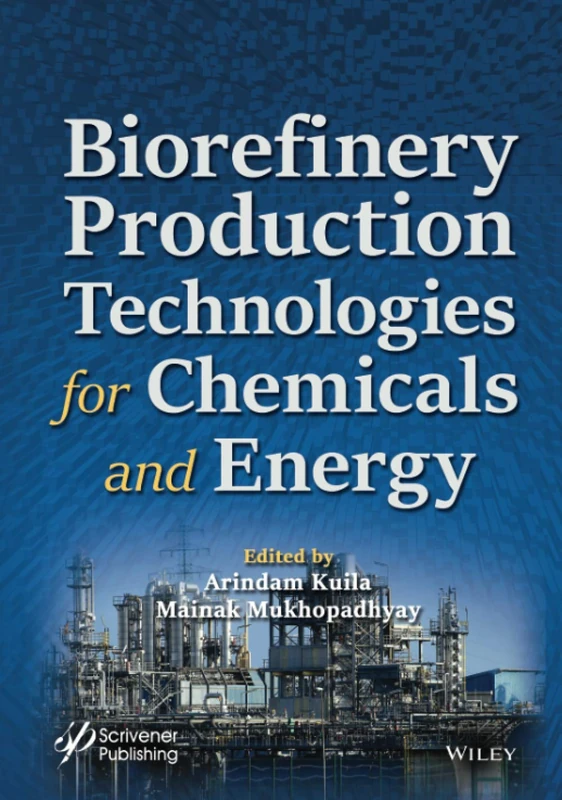
Biorefinery Production Technologies for Chemicals and Energy
Wiley

Bioenergy Research: Basic and Advanced Concepts - Springer
Springer
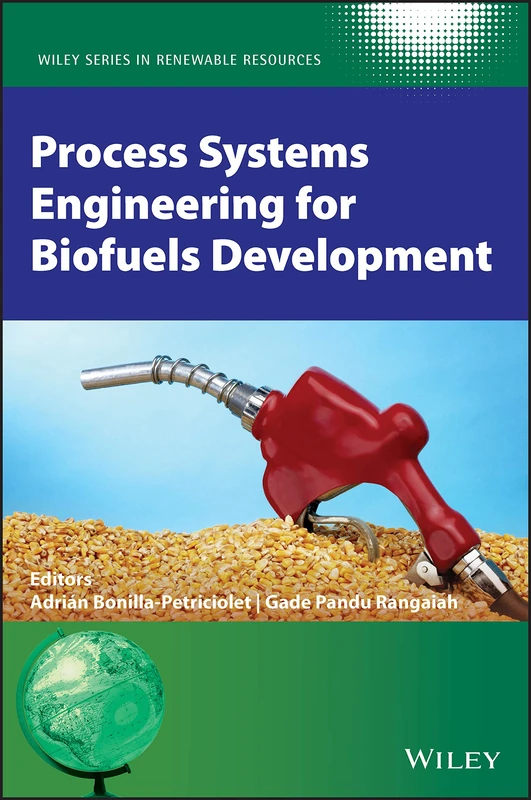
Process Systems Engineering for Biofuels Development (Wiley Series in Renewable Resource)
Wiley

Advanced Biofuels and Bioproducts
Springer

Advanced Biofuels and Bioproducts
Springer
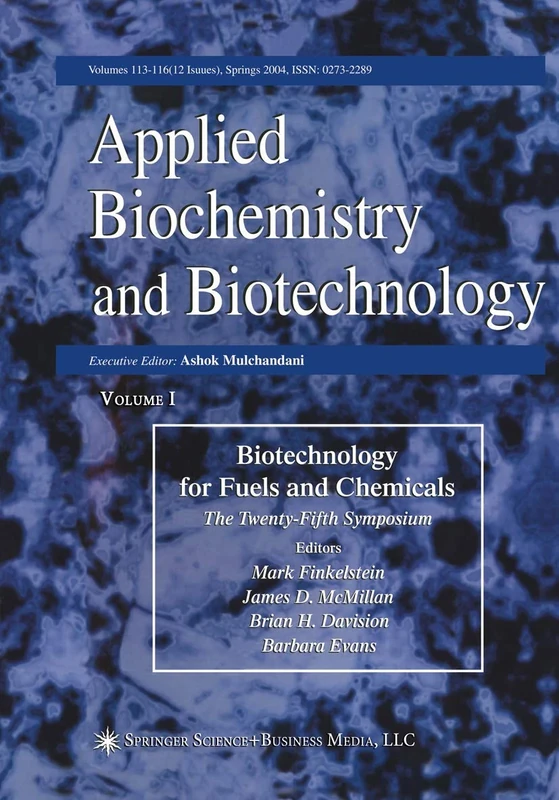
Proceedings of the Twenty-Fifth Symposium on Biotechnology for Fuels and Chemicals Held May 4–7, 2003, in Breckenridge, CO (ABAB Symposium)
Humana
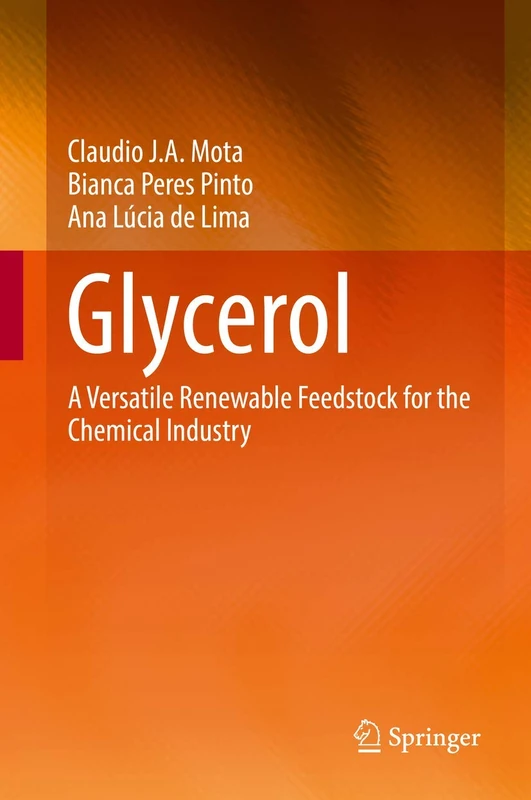
Glycerol: A Versatile Renewable Feedstock for the Chemical Industry
Springer
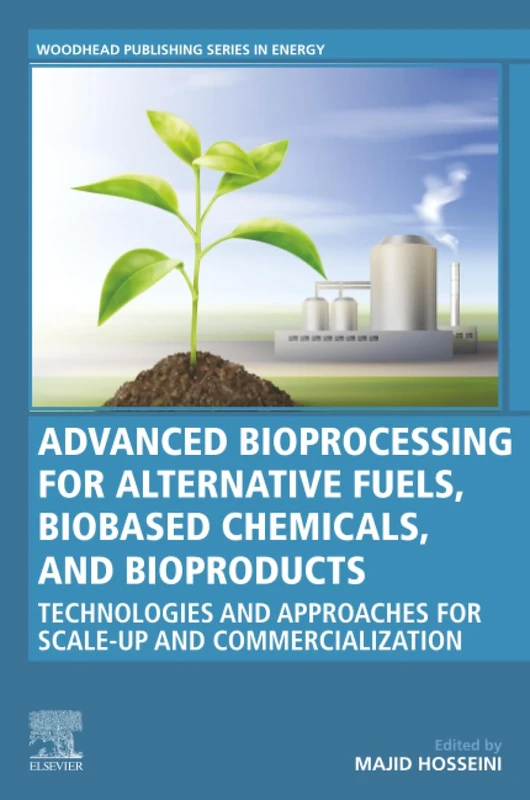
Advanced Bioprocessing for Alternative Fuels, Biobased Chemicals, and Bioproducts: Technologies and Approaches for Scale-Up and Commercialization (Woodhead Publishing Series in Energy)
Elsevier